Kimberly Queen Fern Care: The Complete Guide for Healthy, Lush Growth
Not all ferns are difficult to grow. The Kimberly Queen fern is one of the few varieties that offers elegant green foliage without demanding constant attention. Its upright fronds, neat shape, and ability to adapt to different environments have made it a favorite for patios, porches, and indoor spaces.
Even so, many people struggle to keep their fern healthy. A plant that looked full and vibrant at the garden center can quickly develop brown tips, yellow leaves, or drooping fronds at home.
In most cases, the problem comes down to a few common mistakes. Overwatering, poor soil, harsh sunlight, and low humidity are responsible for most Kimberly Queen fern issues.
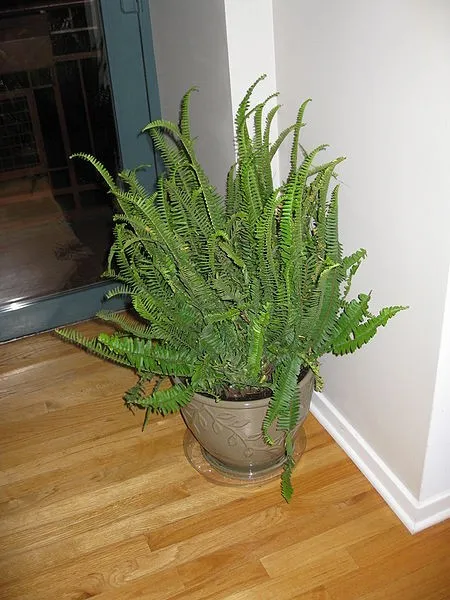
The good news is that these problems are usually easy to fix once you understand what the plant needs. With the right care routine, a Kimberly Queen fern can stay attractive throughout the year and continue producing fresh growth season after season.
In this guide, you’ll learn everything about Kimberly Queen fern care, including proper lighting, watering schedules, soil requirements, fertilizer needs, repotting, propagation, indoor and outdoor growing tips, and solutions to common problems. Whether you’re growing a Kimberly Queen fern indoors or outside, this guide will help you keep it thriving.
What Is a Kimberly Queen Fern?
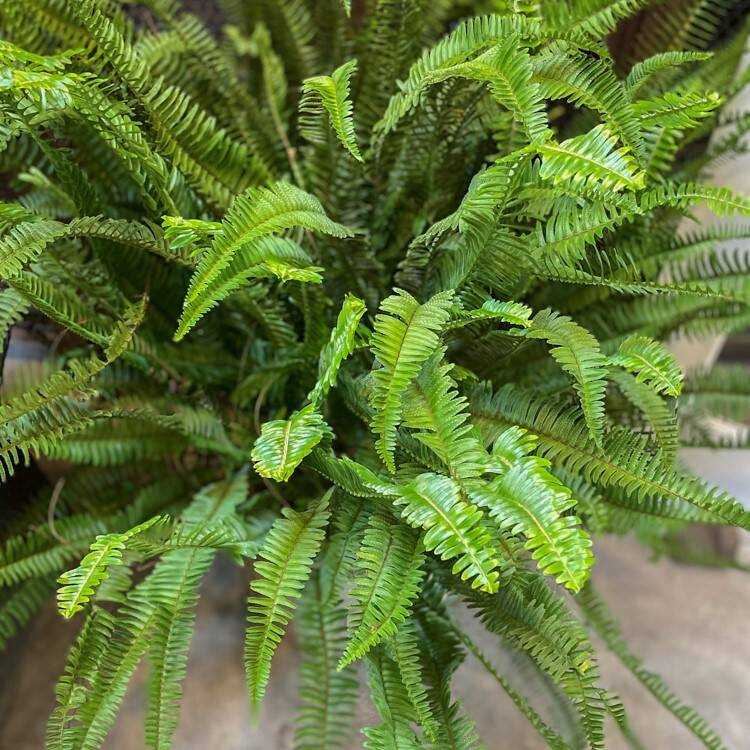
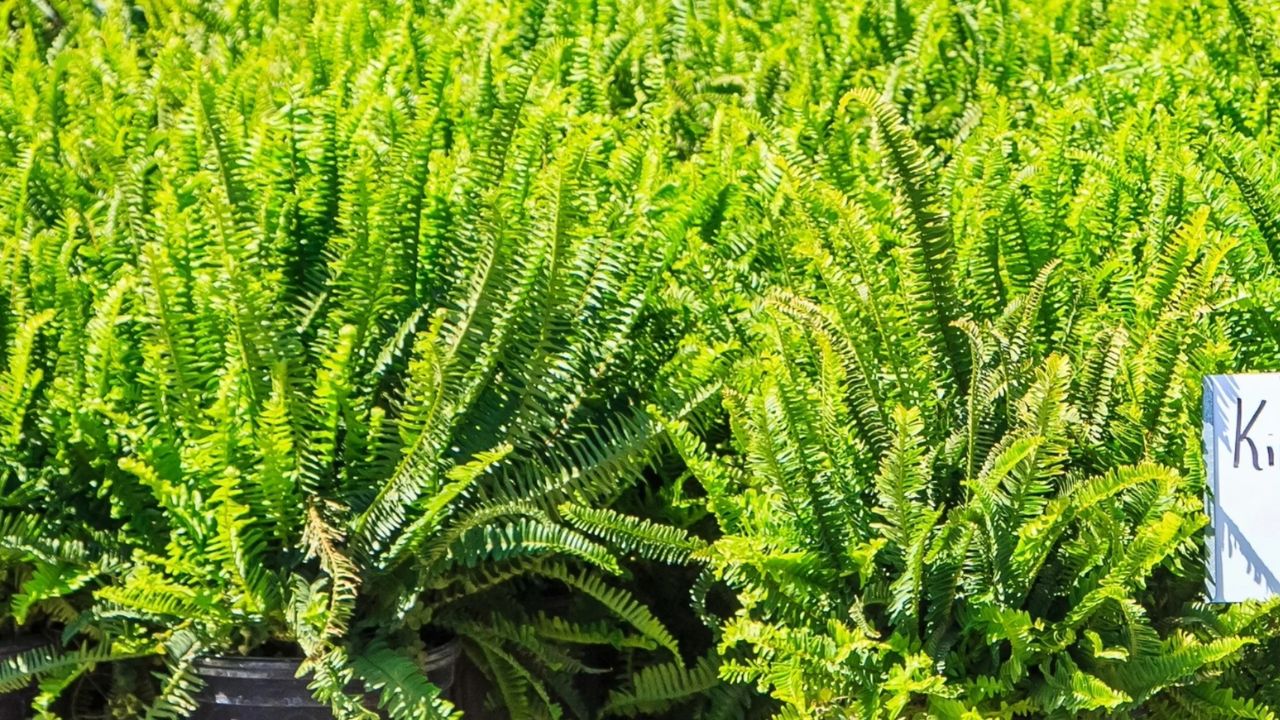
The Kimberly Queen fern, scientifically known as Nephrolepis obliterata, is a popular fern species native to Australia. It is often called the Australian sword fern because of its long, narrow fronds that grow upright rather than arching outward.
Unlike a Boston fern, which tends to spread and droop as it grows, a Kimberly Queen fern develops a more vertical shape. This gives it a tidy appearance that works well in containers, entryways, patios, and indoor plant displays.
One reason this plant has become so popular is its ability to handle conditions that many other ferns struggle with. While it still enjoys moisture and humidity, it generally tolerates brighter light and slightly drier air better than some traditional fern varieties.
Mature plants can reach several feet in height and width when grown under favorable conditions. In warmer climates, especially USDA Zones 9 through 11, they are commonly grown outdoors year-round. In cooler regions, they are often used as seasonal container plants and brought indoors before winter.
The plant’s sword-shaped fronds emerge from the center of the crown and maintain their upright habit as they mature. This creates a structured look that fits both modern and traditional garden designs.
Because of its durability and attractive appearance, the Kimberly Queen fern remains one of the most recommended ferns for beginner gardeners. If you are looking for a low-maintenance fern that still delivers lush greenery, Nephrolepis obliterata is an excellent choice.
Kimberly Queen Fern Light Requirements
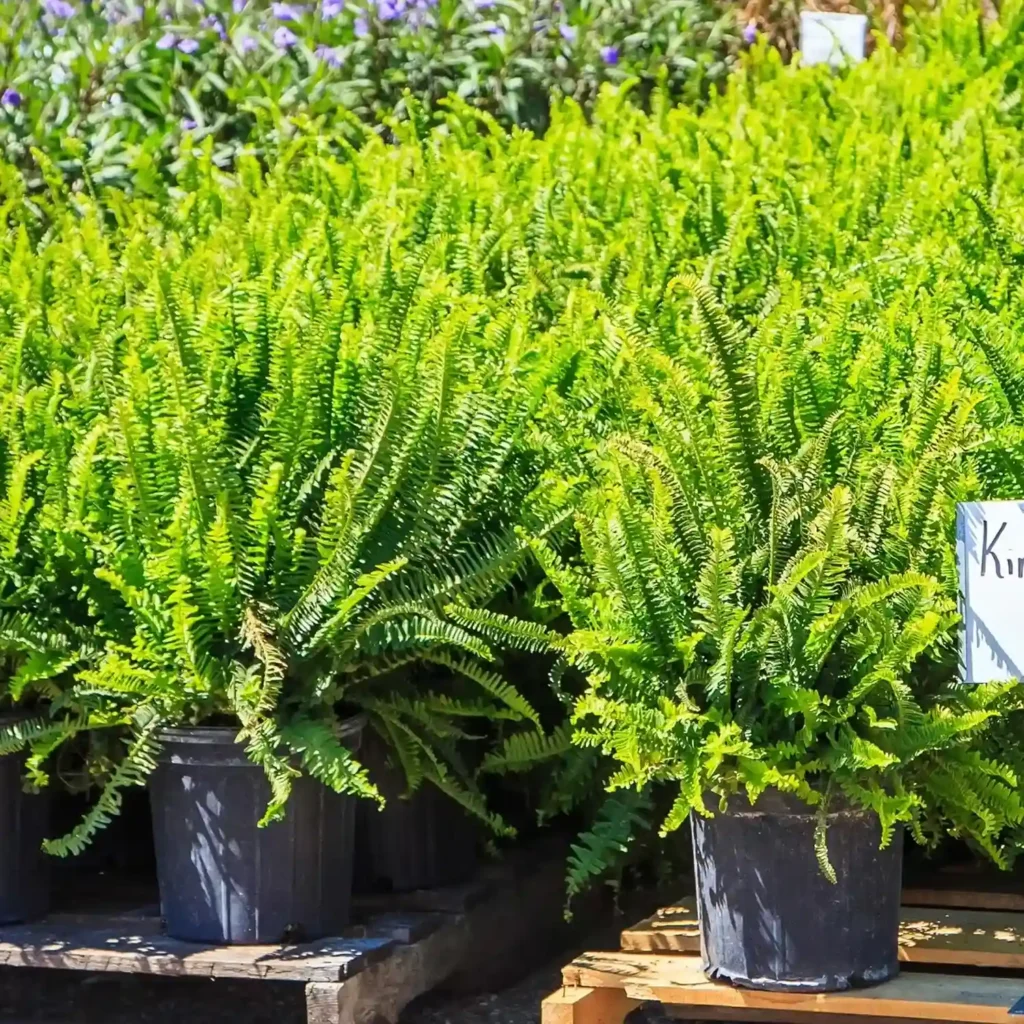
Providing the right amount of light is one of the most important parts of Kimberly Queen fern care. Light affects growth speed, foliage color, watering needs, and overall plant health.
The ideal location provides bright indirect light for most of the day. Near an east-facing window is often perfect for indoor plants because they receive gentle morning sunlight without the intense heat that comes later in the day.
One advantage of the Kimberly Queen fern is that it can tolerate more sunlight than many other fern varieties. This is especially true when compared to Boston ferns, which often suffer quickly when exposed to direct sun.
Outdoor plants can usually handle a few hours of morning sunlight. However, strong afternoon sun can still cause damage, particularly during hot summer months.
Too much sunlight often causes:
- Bleached or faded foliage
- Brown or crispy leaf tips
- Dry soil that loses moisture quickly
- Stunted growth
If you notice these symptoms, move the plant to a location with filtered light or partial shade.
On the other hand, too little light can also create problems. While many people assume ferns prefer dark corners, Kimberly Queen ferns still need sufficient light to produce healthy growth.
Signs of insufficient light include:
- Sparse fronds
- Slow growth
- Pale green leaves
- Weak stems
When growing a Kimberly Queen fern indoors, place it near a bright window whenever possible. If natural light is limited, a quality grow light can help maintain healthy foliage.
Finding the balance between shade and light is the goal. Bright indirect light encourages fuller growth, richer color, and stronger roots while reducing the risk of stress-related problems.
How Often Should You Water a Kimberly Queen Fern?
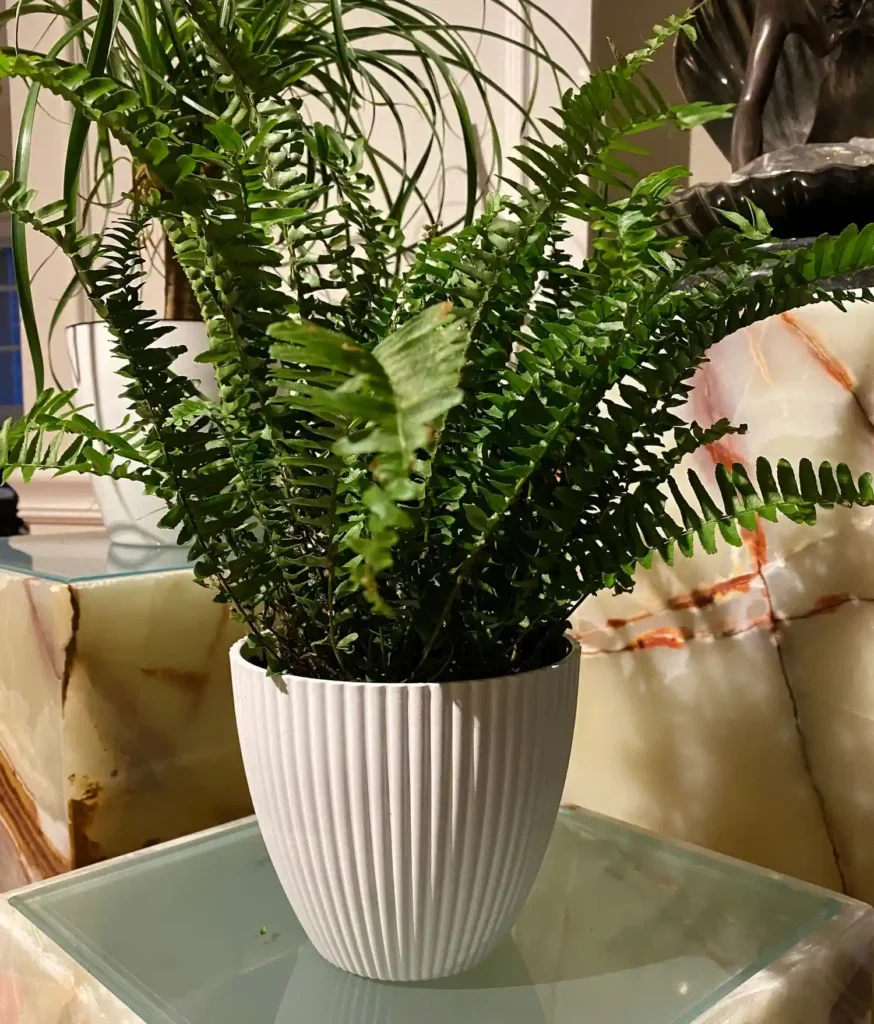
Watering is where most fern owners run into trouble. In fact, overwatering is one of the leading reasons Kimberly Queen ferns decline.
Many people assume ferns should stay constantly wet. That is not true. While these plants enjoy consistent moisture, soggy soil can quickly lead to root problems.
The goal is to keep the soil evenly moist without allowing water to collect around the roots.
A simple way to check is by touching the top inch of soil. If it feels slightly dry, it is usually time to water.
When watering, soak the soil thoroughly until water drains from the bottom of the pot. Then allow excess water to drain completely before returning the container to its decorative planter or saucer.
Seasonal changes also affect watering frequency.
Recommended Watering Schedule
| Condition | Watering Frequency |
|---|---|
| Indoor Summer | Every 3 to 5 Days |
| Indoor Winter | Every 7 to 10 Days |
| Outdoor Containers | May Need Daily Checks |
These numbers are general guidelines. Factors such as temperature, humidity, pot size, and sunlight exposure can change your watering schedule.
During spring and summer, the plant is actively growing and uses more moisture. Check the soil every two to three days and water whenever needed.
During fall and winter, growth slows significantly. The plant requires less water, and the soil stays moist longer. Overwatering becomes more common during this period, so allow the top layer of soil to dry slightly before watering again.
Never leave a Kimberly Queen fern sitting in standing water. Roots need oxygen as much as they need moisture. Waterlogged soil removes that oxygen and creates conditions that encourage root rot.
If your home has very dry air, you may notice the soil dries out more quickly. In that case, increase humidity rather than simply watering more often.
A healthy watering routine keeps the roots moist, the foliage green, and the plant actively growing throughout the year.