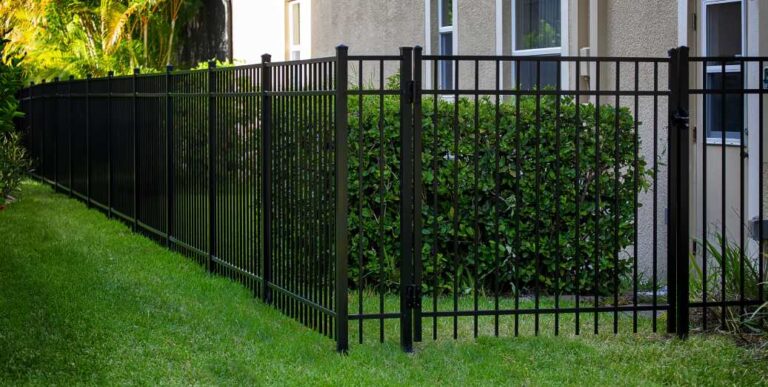
13+ Rain Gutter Drainage on Concrete Ideas That Actually Work
Rainwater flowing onto concrete can quickly create puddles, slippery surfaces, and unwanted stains around your home.
A downspout that empties directly onto a driveway, patio, or walkway often causes water to collect instead of draining away. Over time, this can lead to erosion near the foundation, cracked concrete, and extra maintenance.
Using the right drainage solution helps move water safely away while keeping your outdoor space clean and functional.
In this article, I’ll share 13 rain gutter drainage on concrete ideas to help manage runoff and protect your home’s exterior.
Let’s get started!
1. Concrete Curb Catch Basin
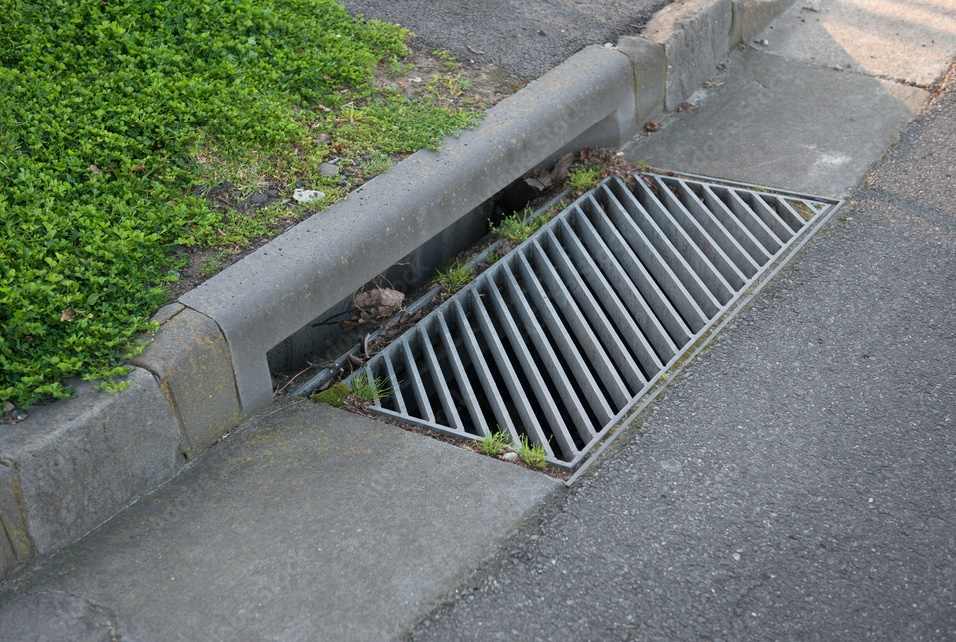
Metal grates sit flat against street level to capture heavy surface runoff. Heavy rainfall flows directly off paved surfaces into the subterranean drainage chamber.
Slotted openings stop large leaves and trash from clogging municipal pipes. Concrete borders secure the steel frame tightly in place during storms.
2. Concrete Gutter Trench with Metal Drain Grate
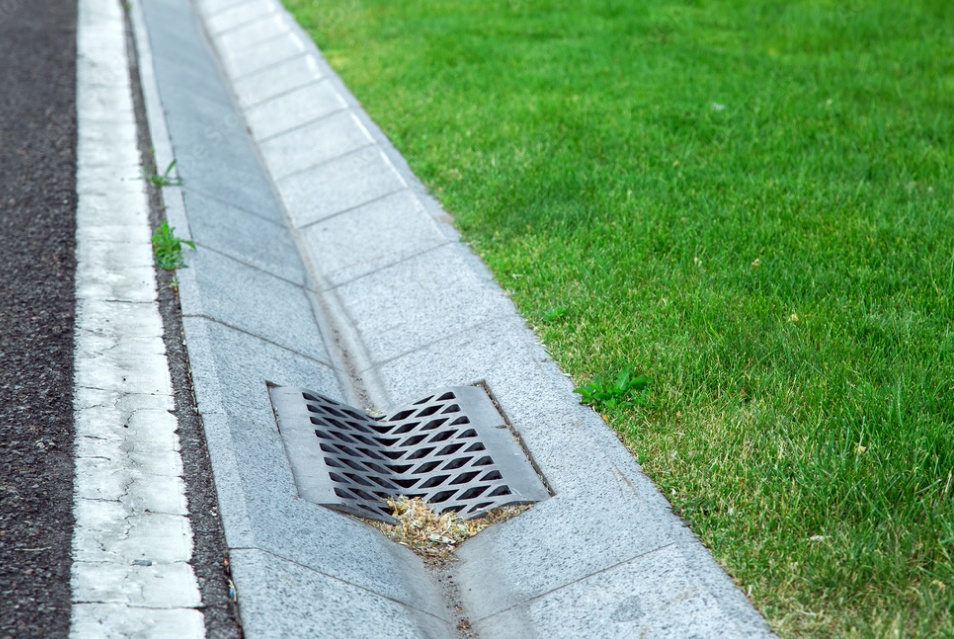
Sloped concrete channels direct water smoothly along asphalt road edges. A center grate filters excess runoff straight into underground channels.
Clean angled borders guide storm streams away from green lawns. Metal grid patterns catch debris while maintaining constant fluid movement.
3. Linear Walkway Channel Drain
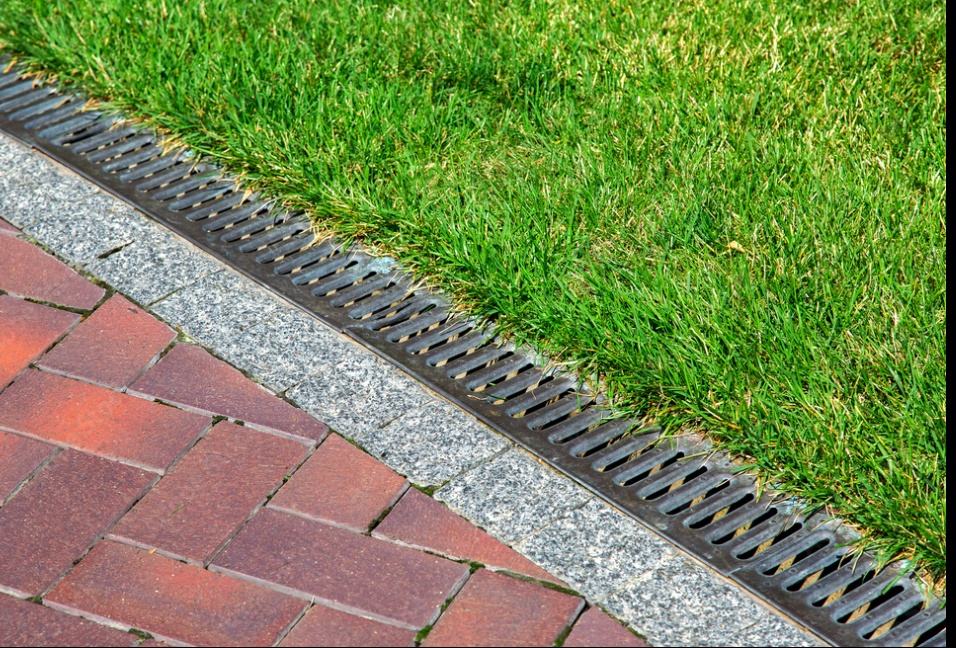
Long metal grates sit flush between brick pavers and green grass. Water runs off hard walkways directly into narrow underground channels.
Thin profile covers stop debris while maintaining smooth walking surfaces. Granite borders hold channel structures firmly against heavy yard traffic.
4. Side Yard Trench Drain
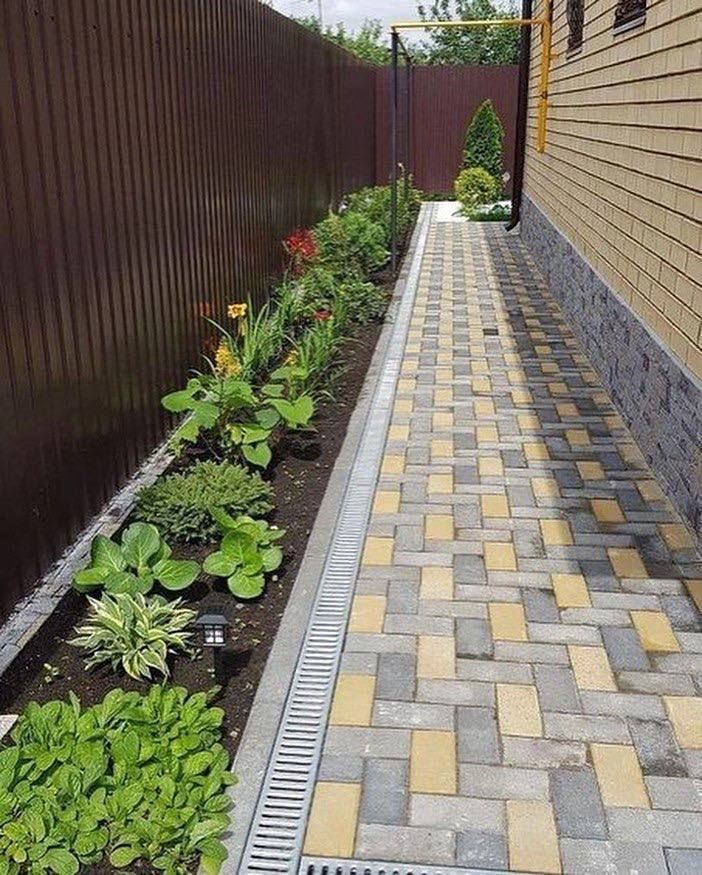
Slender drain channels line narrow brick walkways alongside garden beds. Downspouts pour roof water near the paving where grates carry streams away quickly.
Concrete borders separate planting soil from path stones cleanly. Smooth grates keep walkways dry while preventing home foundation saturation.
5. Gravel French Drain with Concrete Pavers
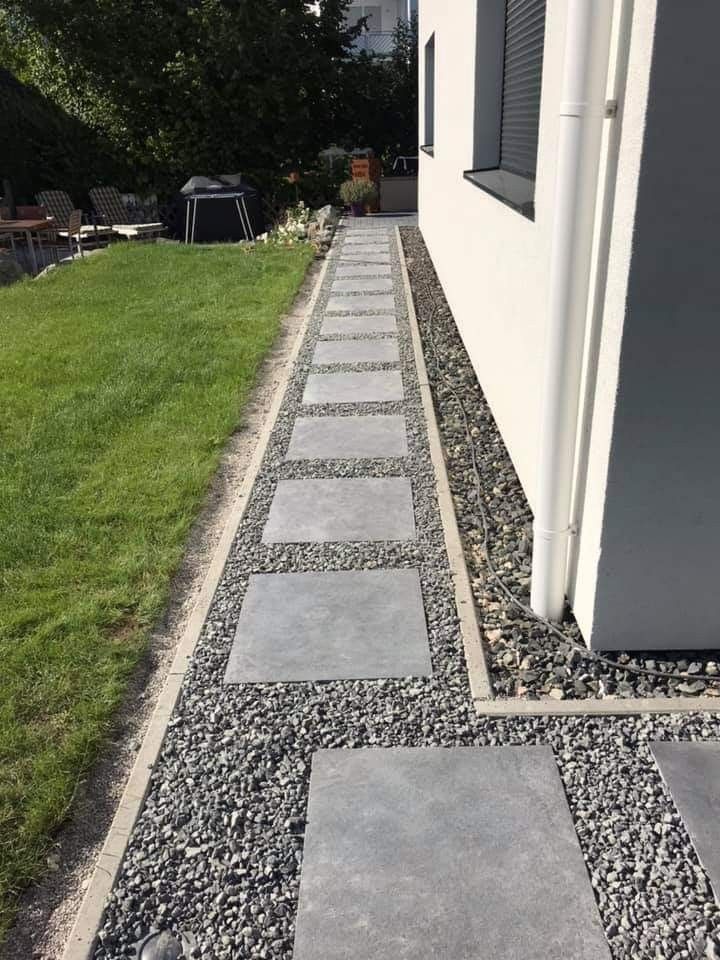
Crushed stone beds frame square concrete stepping slabs alongside exterior walls. White downspout pipes dump roof water onto gravel channels for quick soil absorption.
Loose stones filter heavy rainfall before water reaches foundation walls. Clean geometric borders hold gravel neatly inside designated drainage pathways.
6. Open Concrete Channel Swale
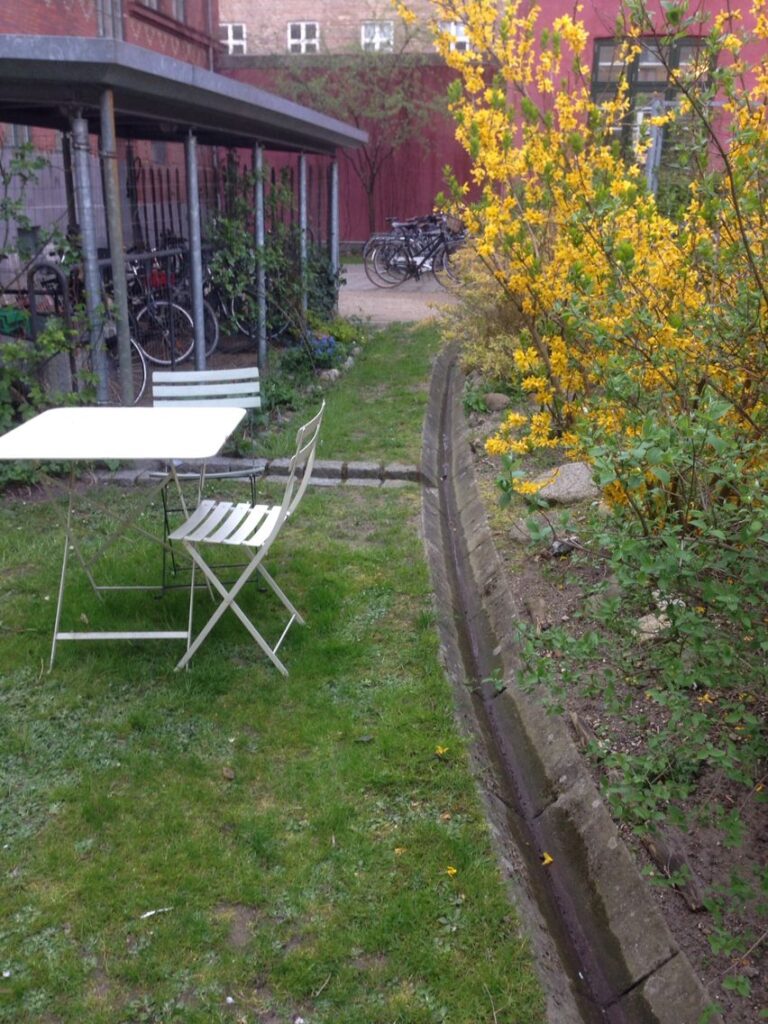
V-shaped concrete troughs cut through grassy garden yards alongside outdoor seating areas. Sloped sidewalls guide heavy rainwater away from seating space and plants.
Open channels allow fast visual inspection of water flow during heavy storms. Smooth concrete construction keeps drainage pathways clear without relying on metal covers.
7. Brick and Concrete Perimeter Splash Channel
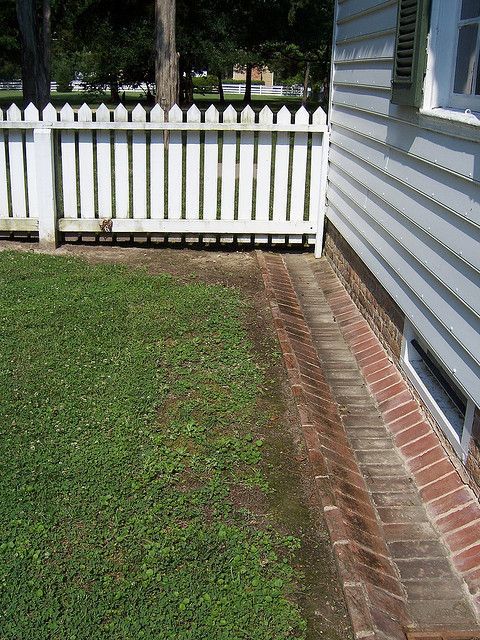
A sloped brick trough runs along the exterior wall of a building right below the roof overhang. The flat concrete base channels splash water away from home foundations toward open yard space.
Red bricks line both sides to elevate edges and keep lawn soil contained. Simple masonry design guards basement windows against direct storm splatter.
8. Flagstone Patio Channel Drain
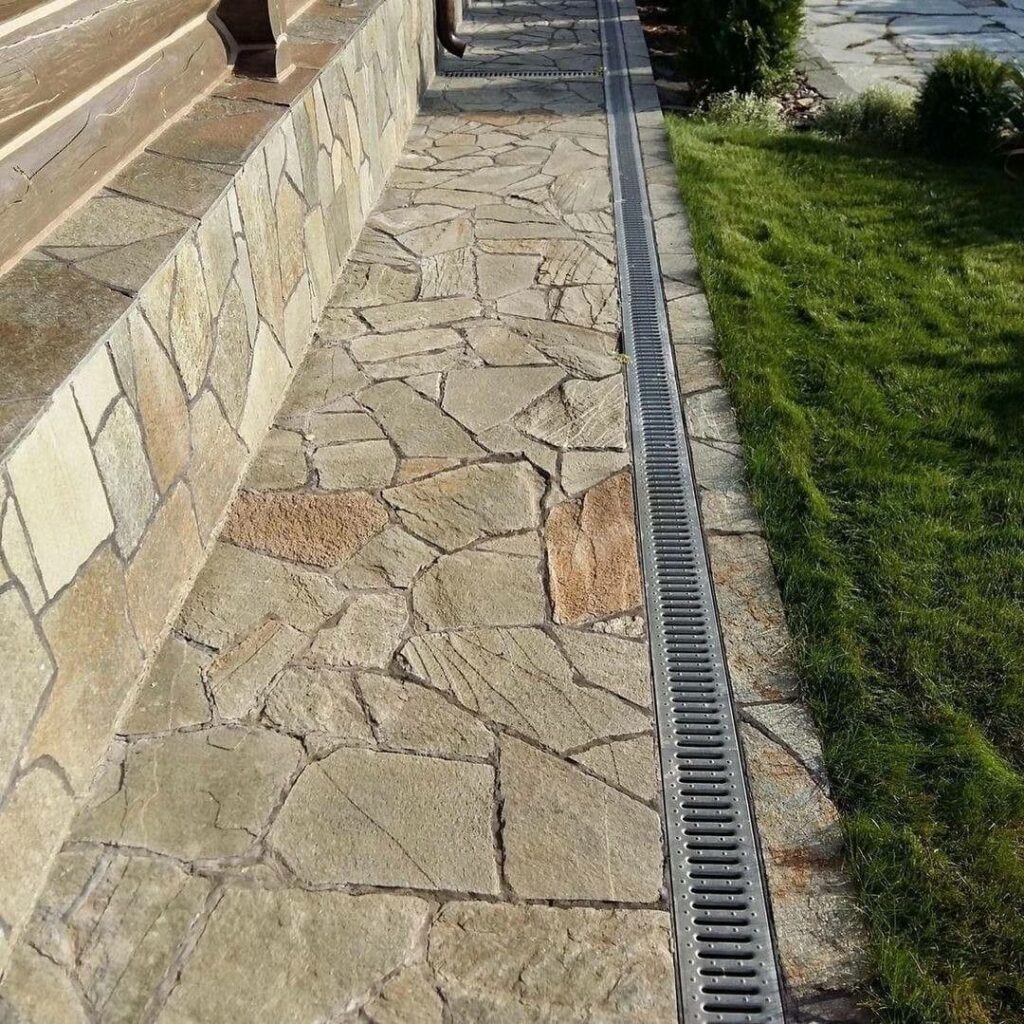
Narrow metal grates follow flagstone stone pathways alongside residential walls. Downspout pipes empty directly into line drains embedded inside concrete borders.
Flush metal surfaces prevent tripping hazard points along outdoor stone walkways. Slotted metal grates capture heavy rainfall before water pools against wall foundations.
9. Combination Pebble Trench and Metal Channel Drain
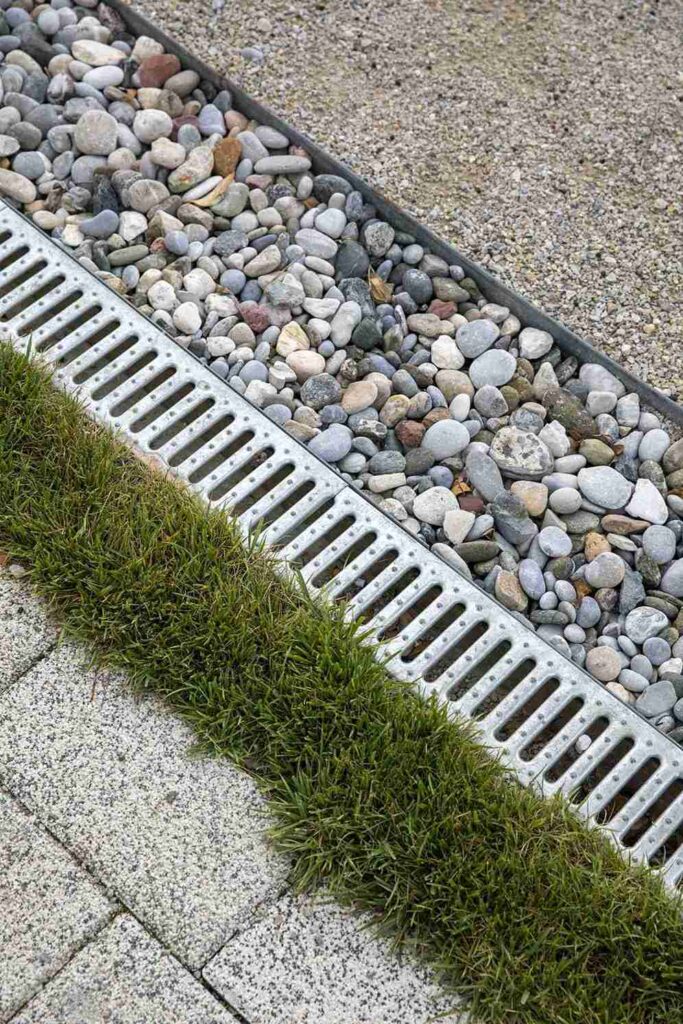
A slotted metal grate runs parallel to a natural river rock border between concrete pavers and loose aggregate. Water drains through the metal channels while adjacent stone beds filter additional surface runoff.
Thin metal retainers hold decorative pebbles inside dedicated drainage paths. Dual design elements direct heavy rain efficiently across lawn borders.
10. River Rock Infiltration Trench
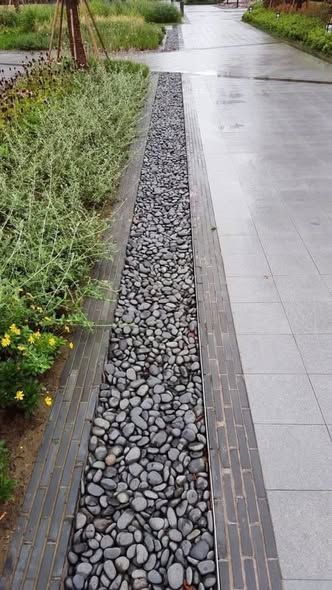
Dark river stones fill long linear trenches running next to concrete plaza walkways. Heavy rainwater enters open stone beds before soaking into lower soil layers.
Dark masonry borders keep pebbles separate from neighboring gardens and paved tiles. Permeable stone layers absorb runoff smoothly without requiring surface metal grates.
11. Foundation Gravel Perimeter Drain
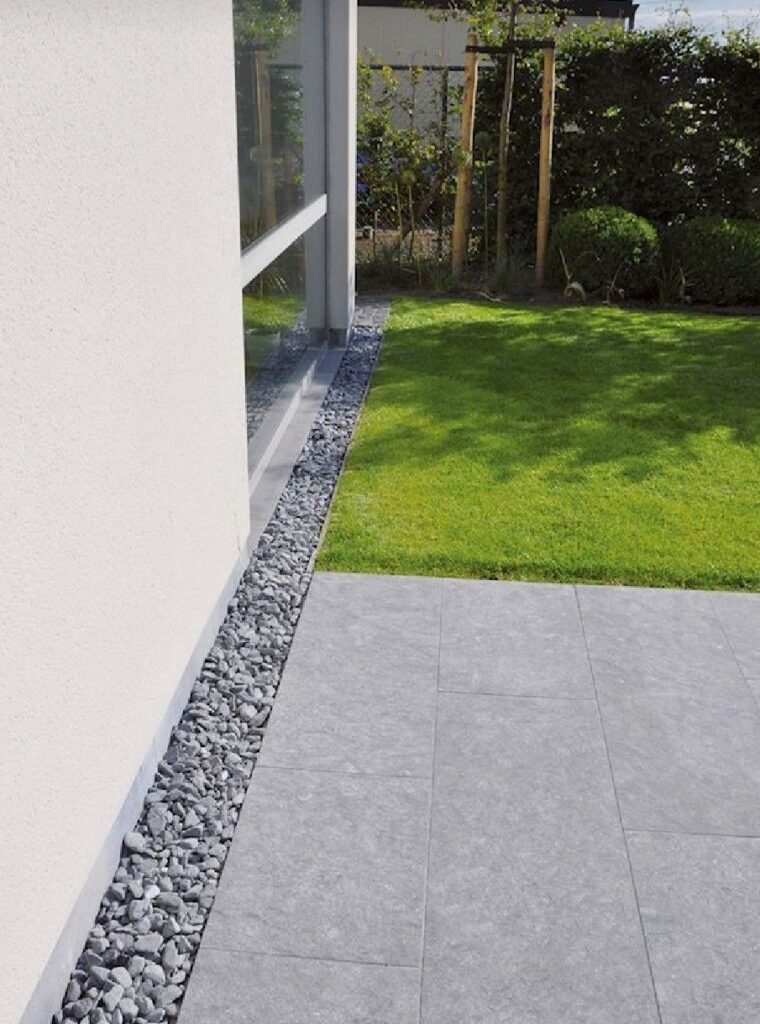
Grey gravel strips sit flush between exterior home walls and large concrete patio tiles. Roof water drops straight down into permeable aggregate beds below glass windows.
Coarse crushed rock allows rapid water infiltration to deep subterranean soils. Narrow gravel paths keep wall bases free from soil splatter during intense rainfall.
12. Concrete Slab River Rock Edge Drain
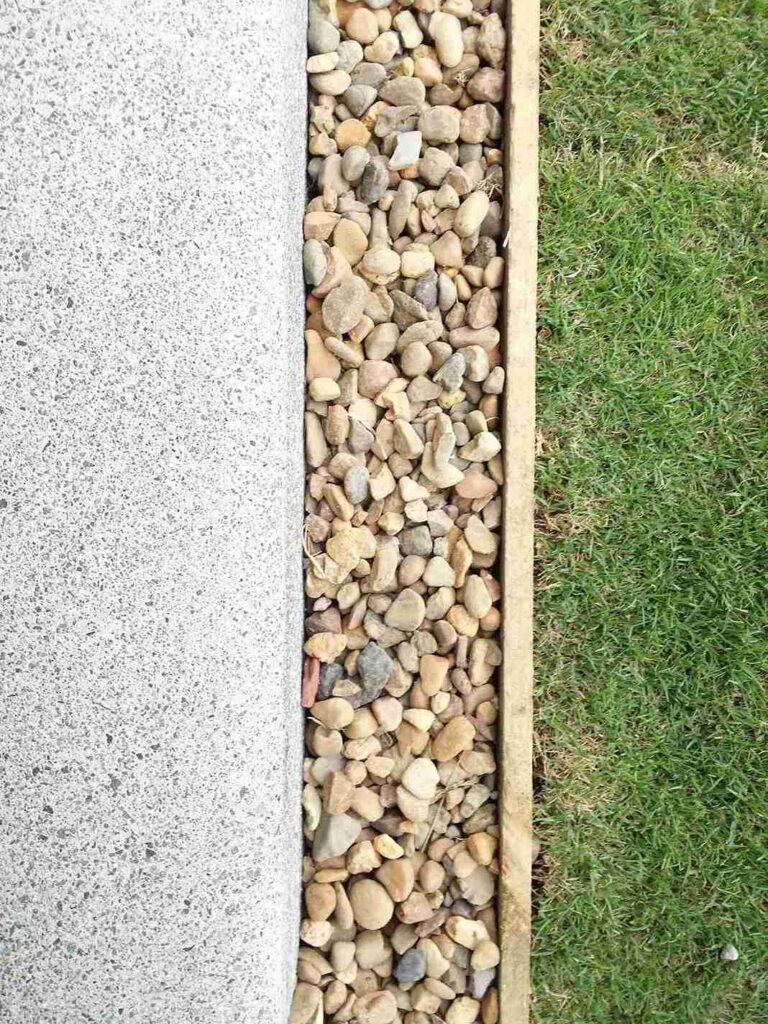
Tan river pebbles fill a narrow trench between aggregate concrete slabs and green lawns. Timber garden edging keeps loose rocks contained alongside smooth slab borders.
Storm runoff glides off concrete surfaces directly into permeable rock pathways. Water passes easily through rounded stones into subterranean drainage beds.
13. Pea Gravel Walkway Border Drain
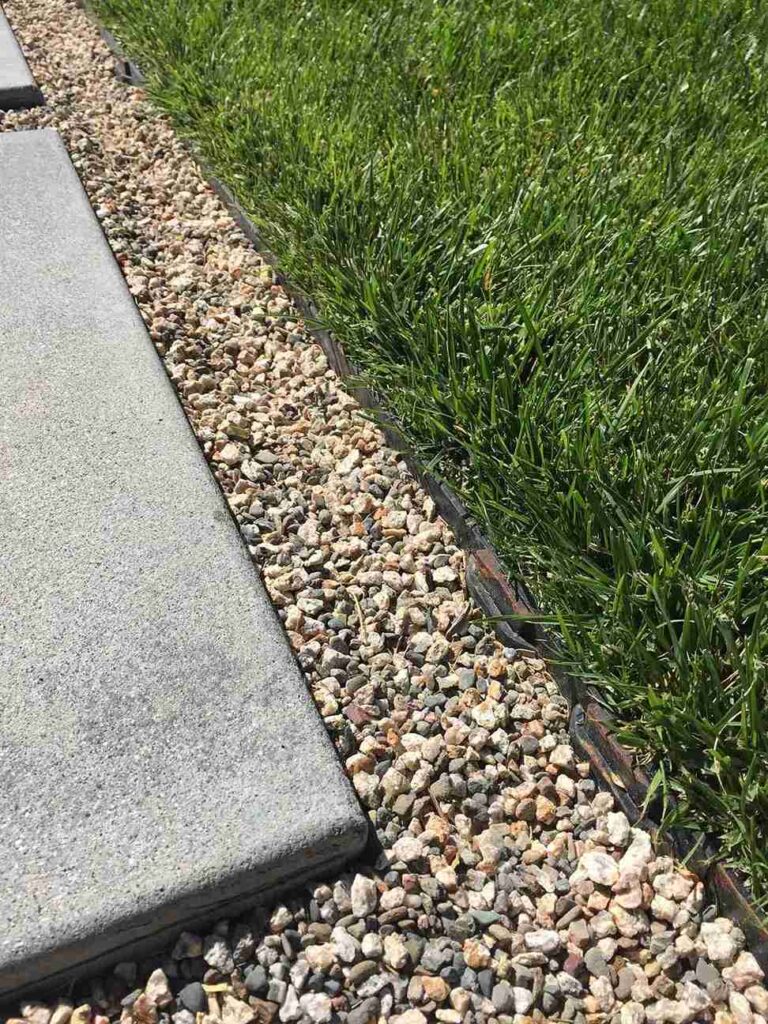
Fine pea gravel forms a porous barrier between large concrete pavers and green turf. Plastic landscape edging keeps small stones neatly separated from turf grass roots.
Excess water rolls off concrete slabs into gravel pathways for rapid ground absorption. Small pebbles fill narrow gaps to maintain a level pathway surface.
14. Concrete Patio Drainage Swale
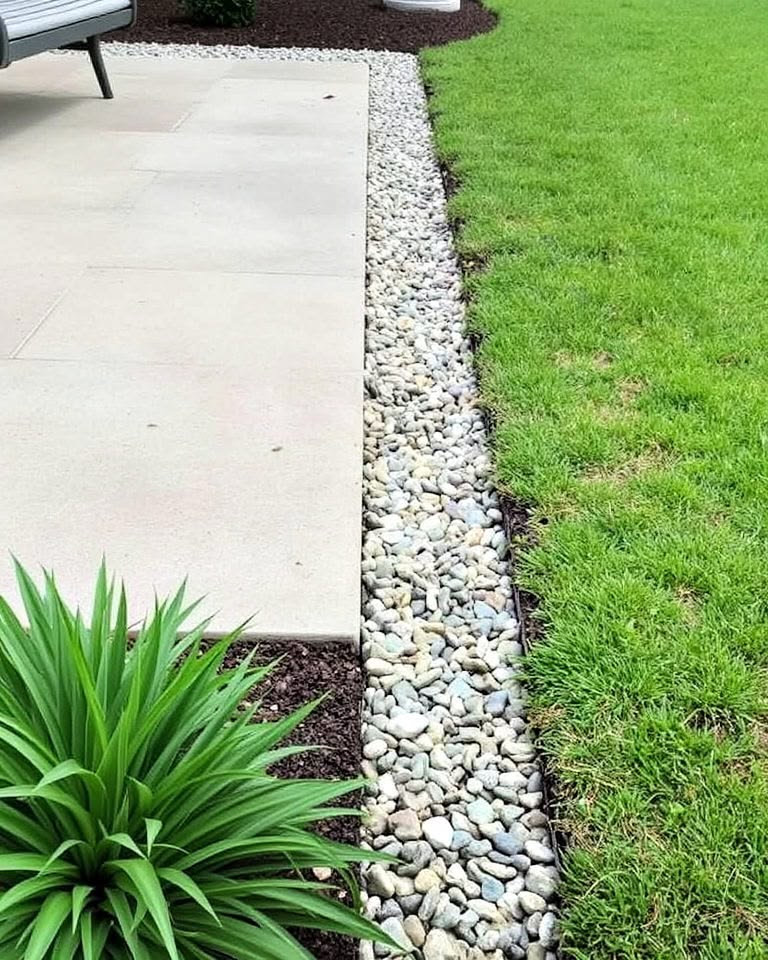
Light gray river rocks fill a neat perimeter channel framing smooth patio slabs. Water runs directly off concrete surfaces into permeable rock beds beside the lawn.
Dark landscape trim separates turf grass from white aggregate pathways. Coarse stones prevent standing puddles from accumulating along patio edges.
Conclusion
Managing rain gutter drainage on concrete is essential for protecting your home’s foundation and keeping outdoor surfaces safe.
From decorative splash blocks and channel drains to downspout extensions and drainage grates, the right solution can prevent standing water and reduce long term damage.
Choose an option that fits your property’s layout to improve drainage while maintaining a clean and attractive appearance.
Frequently Asked Questions
How do I stop rain gutter water from pooling on concrete?
Install a downspout extension, splash block, channel drain, or underground drain to move water away from the concrete and your home’s foundation.
Can rainwater damage concrete?
Yes. Constant exposure to standing water can lead to stains, surface deterioration, cracking during freeze and thaw cycles, and soil erosion around nearby concrete slabs.
What is the best drainage solution for a concrete driveway?
Channel drains, trench drains, and properly placed downspout extensions are among the most effective ways to redirect water away from driveways.
Can I use a splash block on concrete?
Yes. A splash block helps spread water away from the downspout, reducing splashing and minimizing pooling on nearby concrete surfaces.
Should downspouts drain onto a patio?
No. Downspouts should direct water away from patios whenever possible to prevent puddles, slippery surfaces, and potential foundation problems.
How far should a downspout extension carry water?
Most experts recommend directing water at least 4 to 6 feet away from your home’s foundation, although longer extensions may be needed on properties with poor drainage or heavy rainfall.