10 Drainage Solutions for Your Yard That Actually Work
A soggy yard can quietly take over how you use your outdoor space. Standing water turns grass into mud, attracts pests, and makes even the most beautiful garden feel off limits. And no matter how often you try to fix it, the puddles seem to return after every heavy rain.
Poor drainage is frustrating, but it is also very common. The good news is that most drainage issues can be improved with thoughtful changes that guide water instead of trapping it.
Below are practical drainage solutions to help your yard dry out and feel usable again.
Key takeaway:
Most yard drainage problems come from compacted soil, poor grading, or water being directed to the wrong place. Small changes can make a big difference.
1. Aerate the Soil
Compacted soil is one of the most common causes of standing water.
Foot traffic, heavy equipment, and winter conditions can compress soil so tightly that water cannot soak in. Instead, it pools on the surface and creates soggy patches.
Aerating the soil creates small openings that allow water and oxygen to reach plant roots. This improves drainage and overall soil health.
You can aerate using a garden fork, manual aerator, or spike shoes depending on the size of the area.
2. Regrade the Yard
Water always follows gravity.
If your yard slopes toward your home or into a low spot, water will collect there. Proper grading encourages water to flow away from structures and toward areas that drain better.
Regrading often involves adding soil and gently reshaping the surface so it slopes away from the house. Even small adjustments can improve drainage.
3. Install a French Drain
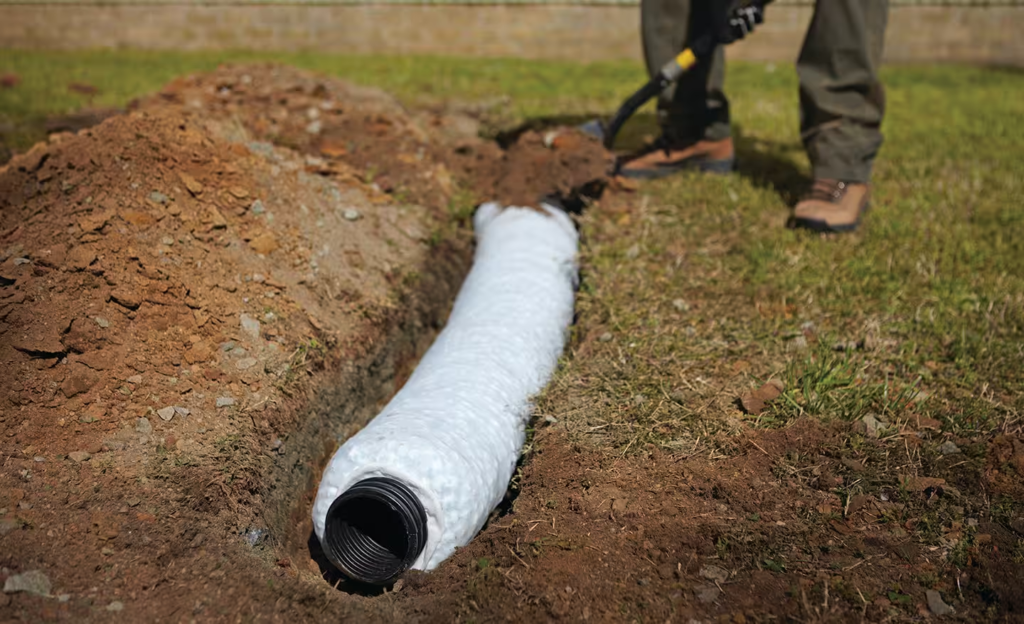
Sometimes water enters your yard from outside sources such as neighboring properties, driveways, or streets.
A French drain intercepts this water and redirects it away before it can pool. It consists of a trench with perforated pipe surrounded by gravel.
French drains require planning and labor, but they are effective for persistent drainage problems.
4. Extend Downspouts Away from the House
Gutters collect roof water, but if downspouts release it too close to the house, the yard can quickly become saturated.
Downspout extensions carry water farther away and allow it to disperse into areas with better drainage.
This is one of the simplest and most affordable drainage improvements.
5. Use Rain Barrels
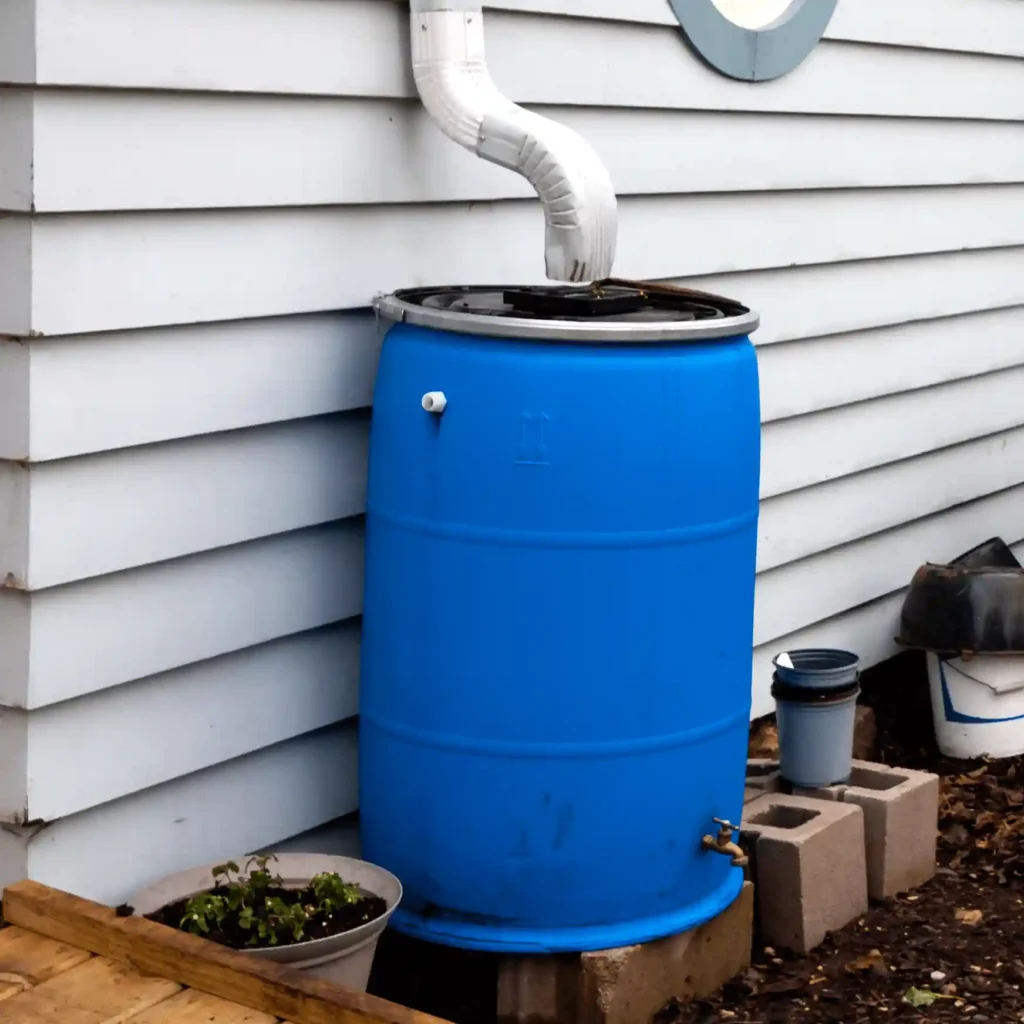
Rain barrels capture water before it reaches the ground.
Installed beneath downspouts, they prevent runoff from pooling in problem areas. They also provide a reusable water source for gardens.
This solution works best when paired with overflow control so excess water is directed safely away during heavy rain.
6. Replace Hard Surfaces With Permeable Materials
Concrete, brick, and solid pavers shed water instead of absorbing it.
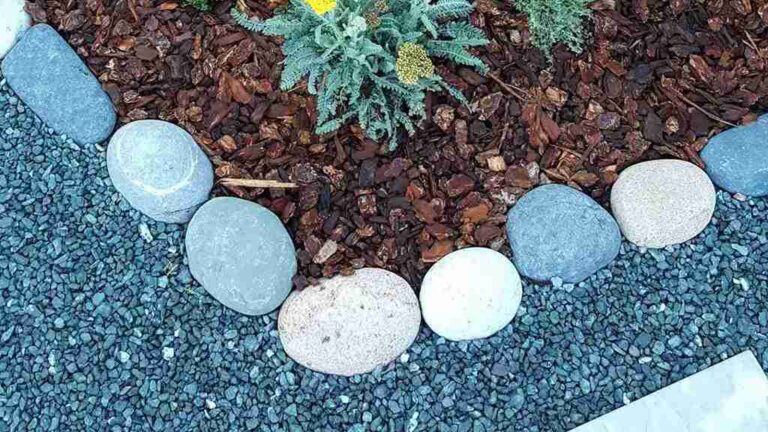
When water runs off hard surfaces, it often collects in nearby soil. Replacing some hardscape with gravel, crushed stone, or permeable pavers allows water to filter through rather than pool.
This can significantly reduce surface water buildup.
7. Install a Catch Basin
Catch basins collect water at problem points and redirect it through underground piping.
They are often placed below downspouts or in low areas where water gathers repeatedly. Once installed, they work regardless of soil saturation.
Catch basins are especially useful in areas where water has nowhere else to go.
8. Add Yard Drains in Low Spots
Yard drains function like outdoor floor drains.
They collect surface water and move it through pipes to a dry well, drainage area, or street outlet. Only the drain grate remains visible after installation.
This option works well for lawns that appear healthy but still collect water in specific spots.
9. Create a Rain Garden
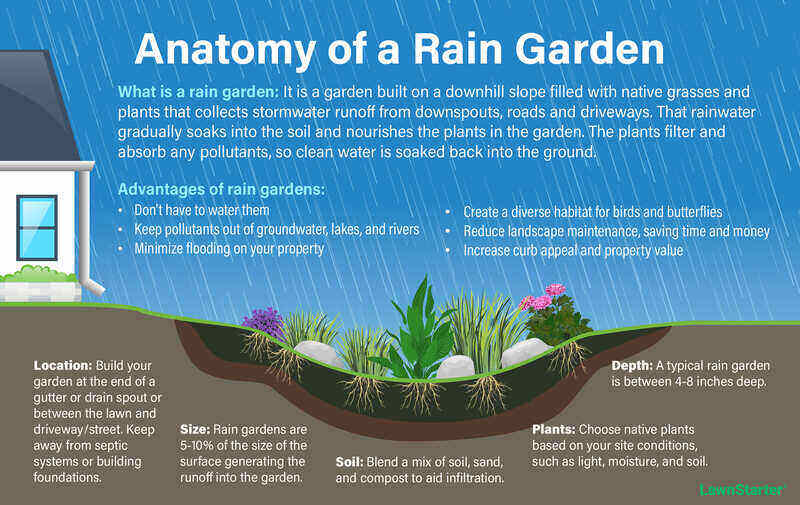
Sometimes the best solution is to work with water instead of removing it.
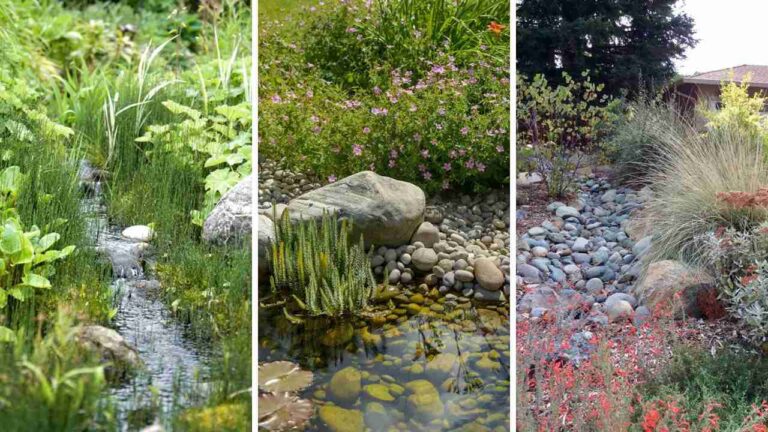
Rain gardens are planted areas designed to absorb excess water using deep rooted, moisture loving plants. Native grasses, sedges, and ferns are often excellent choices.
A rain garden turns a soggy area into a functional and beautiful part of the landscape.
10. Install a Dry Well
Dry wells collect water underground and allow it to slowly seep into surrounding soil.
They are often connected to downspouts, French drains, or yard drains. Inside, gravel or stone creates space for water to disperse naturally.
Dry wells are especially helpful during heavy storms when surface drainage is overwhelmed.
Bottom Line
A wet yard does not mean your outdoor space is beyond repair.
Most drainage issues can be improved with simple changes that guide water where it needs to go. Whether you start by aerating soil or redirecting roof runoff, small steps add up over time.
At EcoGardenBloom, we believe healthy landscapes are shaped by understanding how water moves and allowing nature to do the rest.
Redirect the flow. Restore balance. Reclaim your yard.