Mulching 101: When, Why, and How to Mulch Your Garden
Mulch is one of those gardening practices that sounds optional until you start using it. Then it quietly changes everything.
A well mulched garden holds moisture longer, supports healthier soil, and feels calmer to maintain. It reduces the need for constant watering, protects plant roots, and turns everyday organic materials into something deeply useful.
If you have not been mulching yet, or you are unsure if you are doing it correctly, this guide will walk you through the basics in a simple, grounded way.
Key takeaway:
Mulch protects soil, supports plant health, and saves time when applied at the right depth, in the right season, and with the right materials.
What Is Mulch?
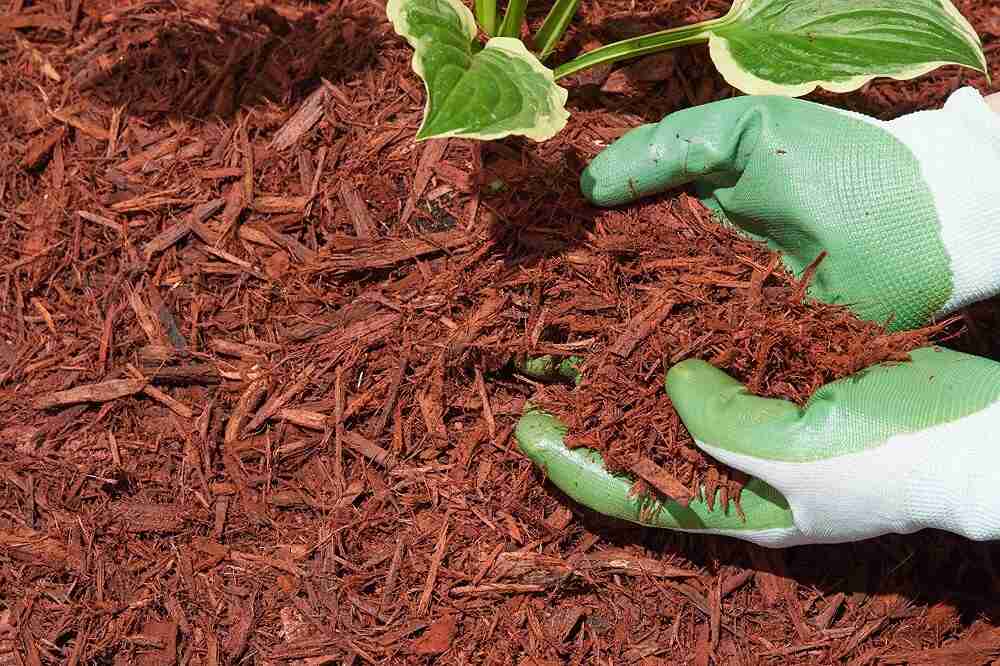
Mulch is any material placed on the surface of the soil to protect and support what is growing beneath it.
Most gardeners use natural, organic materials such as compost, leaves, straw, or bark. Some also use mineral or synthetic options like gravel or landscape fabric, especially in pathways or non planting areas.
Mulch can be fine or chunky, temporary or long lasting. What matters most is how it functions in your space.
Why Mulching Matters
Bare soil is vulnerable. It dries out quickly, erodes easily, and loses nutrients faster than soil that is protected.
Mulch creates a buffer between the soil and the elements. It slows evaporation, reduces temperature swings, and provides shelter for beneficial organisms that support plant growth.
When mulch breaks down, it becomes part of the soil itself, adding organic matter and improving structure over time.
Benefits of mulching include:
- Less frequent watering
- Improved soil moisture retention
- Fewer weeds
- Healthier soil biology
- Reduced erosion and runoff
- Protection from temperature extremes
- A more finished, cared for garden appearance
Mulch also creates habitat for beneficial insects. While some pests may hide in mulch, a balanced garden usually supports more helpers than harm.
How to Apply Mulch Correctly
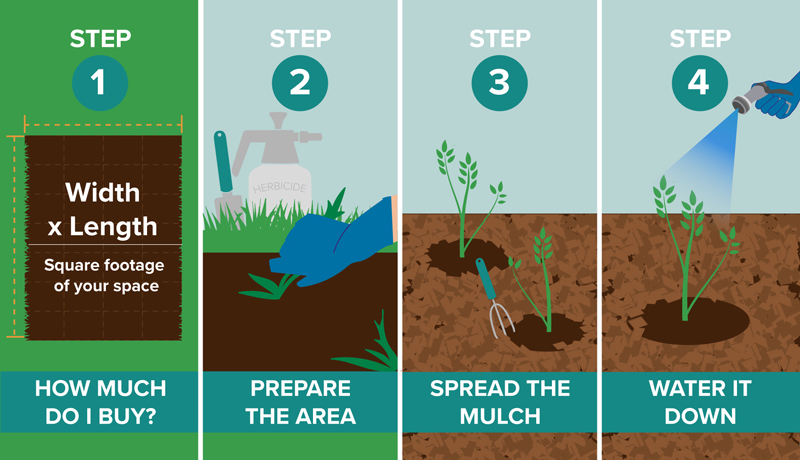
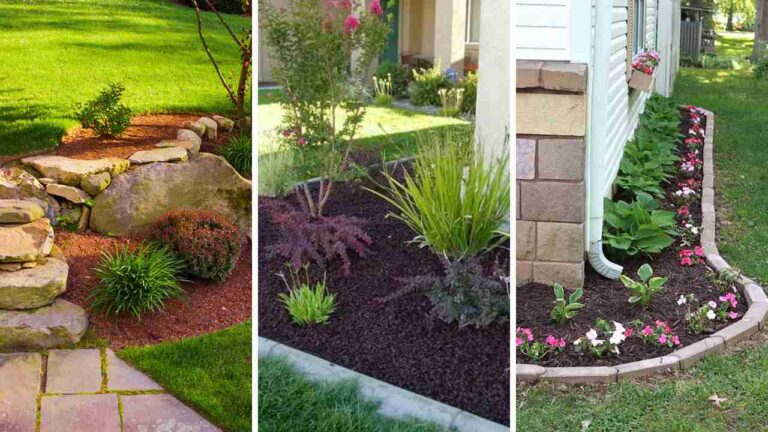
Most garden beds benefit from a mulch layer about two to four inches deep.
Too much mulch can block water from reaching the soil. Too little will not suppress weeds or slow evaporation effectively.
After spreading mulch, you can lightly water it to help it settle, though this is not required.
Depth may vary depending on material. Straw and shredded leaves often need slightly thicker layers, while compost or fine bark works well at two inches.
Preparing the Area Before Mulching
If weeds are already present, remove them before applying mulch.
For areas with persistent weeds, such as pathways or new garden sections, laying down cardboard or heavy paper first can help suppress regrowth. Natural mulch can then be added on top.
This layered approach protects soil while reducing the need for repeated weeding.
When to Go Light or Avoid Mulch
Mulch should not touch plant stems or tree trunks.
Constant contact with damp mulch can lead to rot, disease, or pest issues, especially for young seedlings. Leave a small open space around the base of plants.
If you are growing seeds directly in the soil, use only a very thin mulch layer until seedlings emerge. Thick mulch can prevent seeds from sprouting.
For bulbs or perennials that die back in winter, pull mulch back slightly in early spring to allow soil to warm and growth to resume.
When to Apply Mulch
The two most helpful times to mulch are spring and fall.
In spring, mulch prepares soil for the growing season and helps get ahead of weeds as temperatures rise. Apply mulch after soil has warmed and seedlings are established.
In fall, mulch acts as insulation. It protects roots from freezing, reduces erosion during heavy rains, and slowly nourishes soil as it breaks down over winter.
Not all mulch needs to be refreshed twice a year. Slower decomposing materials may only need topping off once annually.
Common Types of Garden Mulch
Different areas of the garden benefit from different mulch materials.
Organic mulches:
- Compost and composted manure
- Straw or seed free hay
- Bark or wood chips
- Shredded leaves or leaf mold
- Cut plant material such as cover crops or garden trimmings
Inorganic or durable options:
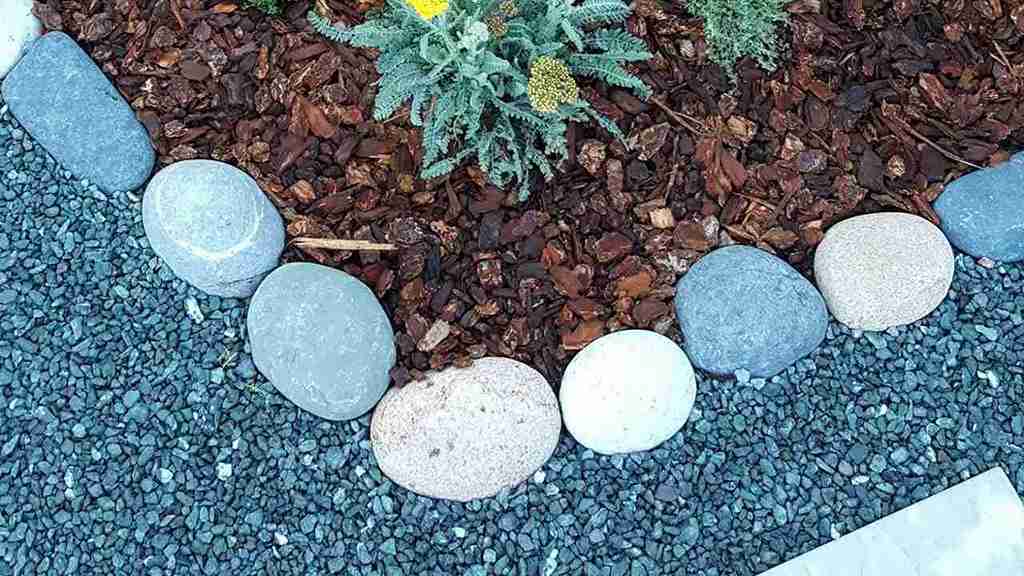
- Gravel or stone for pathways
- Cardboard or paper for sheet mulching
- Landscape fabric for long term weed control in non planting areas
Avoid dyed or treated bark products, and be mindful that fresh manure is not the same as composted manure.
Choosing the Right Mulch for Your Garden
There is no single best mulch for every space.
Vegetable beds benefit most from fine, organic materials that break down and feed the soil. Shrubs, trees, and pathways often do better with chunkier, longer lasting options.
Choose materials based on what you are growing, how often you replant, and what is readily available to you.
A Thoughtful Mulching Style
Many gardeners use a mix of mulches across their space.
Compost in raised beds, bark under trees, gravel in pathways, and living mulch from spreading plants can all work together. Over time, plants may even create their own mulch through fallen leaves and stems.
Mulching is not about uniformity. It is about protection and balance.
Bottom Line
Mulching is one of the simplest ways to support a healthier, more resilient garden.
When soil is protected, everything above it grows with less effort. Watering becomes easier, weeds become manageable, and soil life thrives quietly beneath the surface.
At EcoGardenBloom, we see mulch as a form of care. A way to work with natural systems instead of against them.
Cover the soil. Let it breathe. Let it grow.
Frequently Asked Questions About Mulching
How thick should mulch be in a garden bed?
Most garden beds do best with two to four inches of mulch. This depth helps retain moisture and suppress weeds without blocking water from reaching the soil.
Can you mulch too much?
Yes. Mulch that is too thick can prevent water and air from reaching plant roots. It can also create overly damp conditions that encourage rot or pests.
Should mulch touch plant stems?
No. Keep mulch pulled back a few inches from plant stems and tree trunks. Direct contact can trap moisture and lead to rot or disease.
Is mulch good for all types of gardens?
Mulch benefits almost all gardens, including vegetable beds, flower beds, shrubs, and trees. The type of mulch should change depending on the space and plants being grown.
Do I need to remove old mulch before adding new mulch?
Usually no. If the old mulch is breaking down, you can add a fresh layer on top. If it is compacted or moldy, loosen it slightly before adding more.
Can mulch attract pests?
Mulch can provide shelter for insects, both beneficial and unwanted. Healthy gardens usually attract more beneficial insects than pests. Avoid piling mulch against stems to reduce issues.
When is the best time to mulch?
Spring and fall are ideal. Spring mulch helps retain moisture and suppress weeds. Fall mulch protects soil and roots during colder months.
Garden Mulching Checklist
Use this checklist when mulching your garden to keep things simple and effective.
- Choose a mulch type suited to your garden space
- Remove existing weeds before applying mulch
- Apply mulch two to four inches deep
- Keep mulch away from plant stems and tree trunks
- Use lighter mulch around seeds and young seedlings
- Mulch after soil has warmed in spring
- Refresh mulch in fall for winter protection
- Check moisture under mulch occasionally
- Add new mulch only when old mulch breaks down
- Observe how plants respond and adjust as needed