25+ Creative Vegetable Garden Layout Ideas for a Bountiful Harvest
If you’re here for vegetable garden layout ideas that actually help your garden feel easier, prettier, and more productive, you’re in the right spot. A good layout is basically the difference between “I can’t wait to go outside” and “ugh, I don’t even want to deal with it today.”
Below you’ll find layout styles that work for small patios, balconies, raised beds, and bigger backyards too. You’ll get real inspiration, plus little practical tips for spacing, sunlight, and keeping things manageable.
Why Garden Layouts Matter So Much To Me Right Now
When the season shifts and the air starts feeling different, I always get this itch to reset my outdoor spaces. Like, I want my garden to feel calm and intentional, not like a messy project I’m avoiding. And honestly, layout is the first thing that decides that vibe.
I’ve done the “just plant it wherever it fits” approach, and it always turns into me stepping on basil, losing my carrots, and getting annoyed at myself by mid season. These days, I’m all about layouts that make it easy to water, harvest, and just wander around with a cup of coffee.
Simple paths, reachable beds, and plants grouped in a way that makes sense. That’s what keeps me consistent. And consistency is basically the secret sauce of growing anything.
Okay, let’s get into the ideas.
Vegetable Garden Layout Ideas You’ll Actually Use
Keyhole Garden Concept
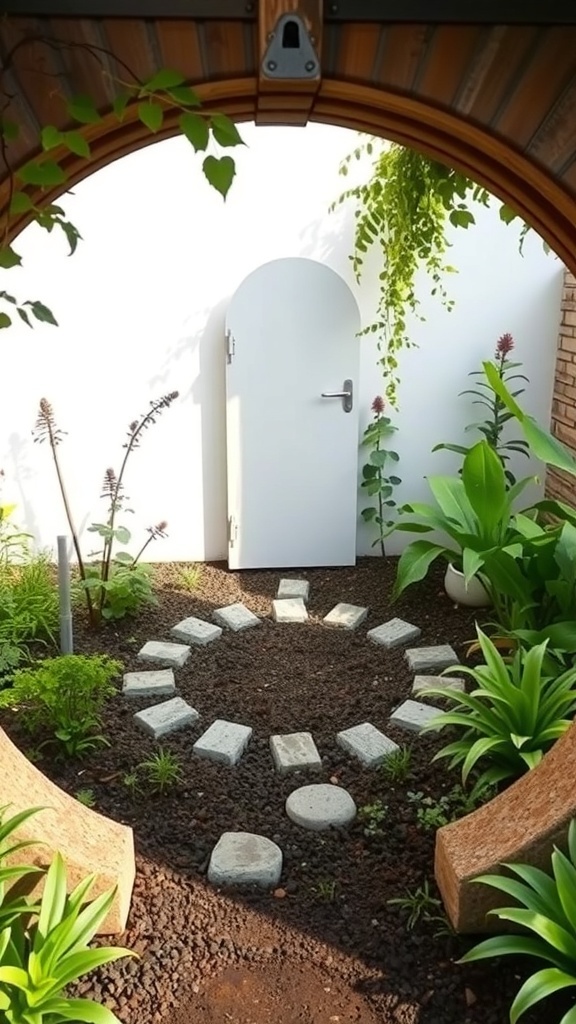
This layout feels like a tiny little garden sanctuary. The whole point is access. You can reach everything without stepping into the bed, which means less compacted soil and fewer crushed plants.
The “keyhole” path curves into the middle, and that center spot is often used for compost. I love that because it turns your garden into this little self feeding system. Toss in kitchen scraps, add dry leaves, and your plants basically get a slow drip of nutrients over time.
It’s especially nice for small spaces because the circular shape gives you more planting edge than a plain rectangle. More edges means more room for herbs, lettuces, strawberries, all the quick grab stuff.
Companion Planting Strategies
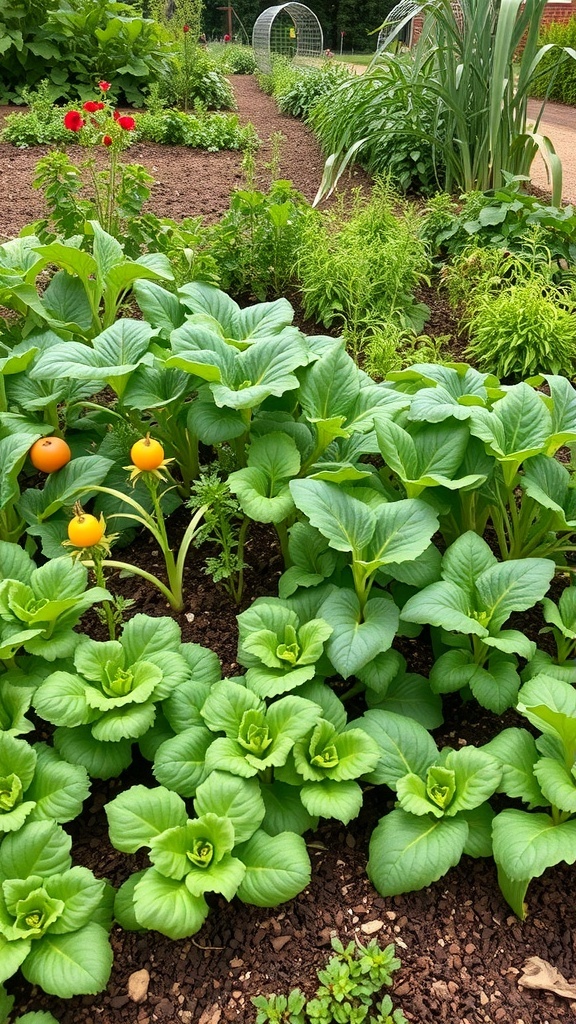
This one is for when you want your garden to feel full and alive, not like a grid. Companion planting is basically thoughtful mixing. You pair plants that help each other out, either by confusing pests, improving flavor, or making better use of space.
I like slipping flowers in with veggies, not just because it looks cute, but because pollinators show up way more. Marigolds near tomatoes, nasturtiums near squash, basil near peppers. It’s the kind of layout that feels a little wild, but it’s secretly strategic.
If you’re short on space, mixing tall and short plants is huge. Tall plants can give afternoon shade to greens that hate the heat, and that alone can keep lettuce from going bitter too fast.
Vertical Gardening Solutions
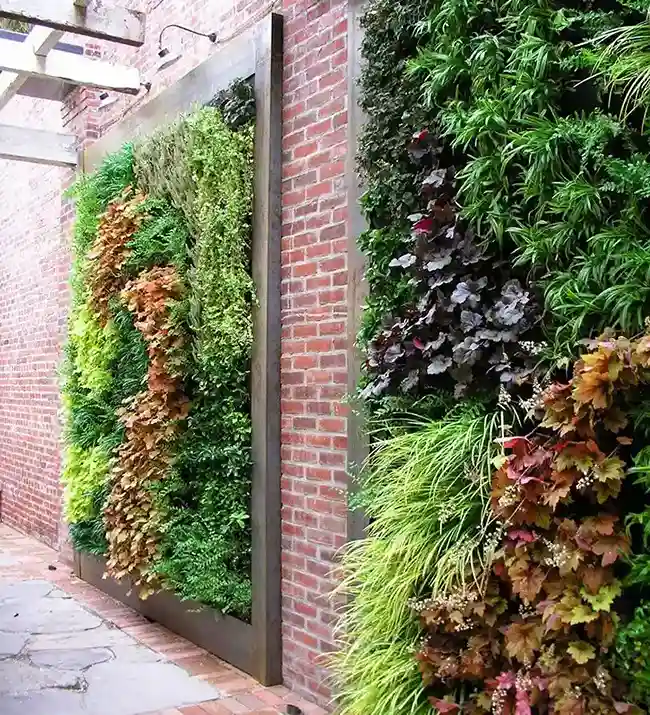
If you have a wall, a fence, or even a sturdy railing, you’ve got extra garden space. Vertical setups are my favorite for balconies and patios because they keep things off the ground and make watering feel less chaotic.
Tomatoes, leafy greens, herbs, even strawberries can do really well in a vertical layout, as long as the containers have decent depth and drainage. I also love how it improves airflow. Fewer leaves sitting in damp shade means fewer fungus issues.
Quick tip from personal trial and error. Keep your thirstiest plants lower so watering drips down and actually benefits the whole setup instead of just running off the edge.
Hugelkultur Bed Layout
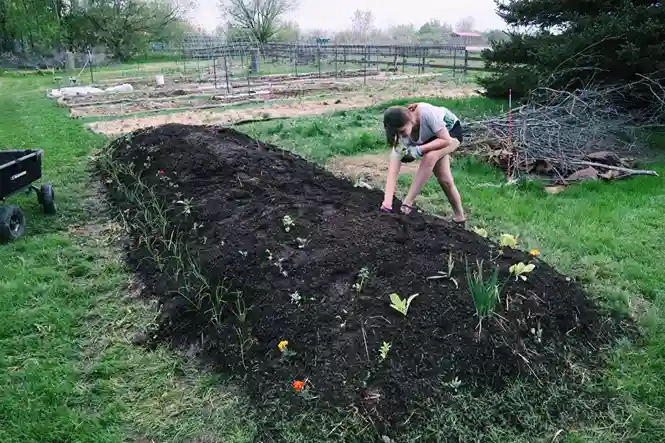
This layout feels like gardening with nature instead of against it. Hugelkultur is basically a raised mound built over logs and woody debris, then topped with compost and soil. It looks rustic, but it’s so smart for moisture retention.
As the wood breaks down, it feeds the soil and holds water like a sponge. That means you end up watering less once it’s established, which is honestly a lifesaver in hot weather.
Plant heavier feeders on the top or sunny side, and tuck greens on the shadier side. You get these mini microclimates just from the shape of the mound.
Permaculture Garden Design
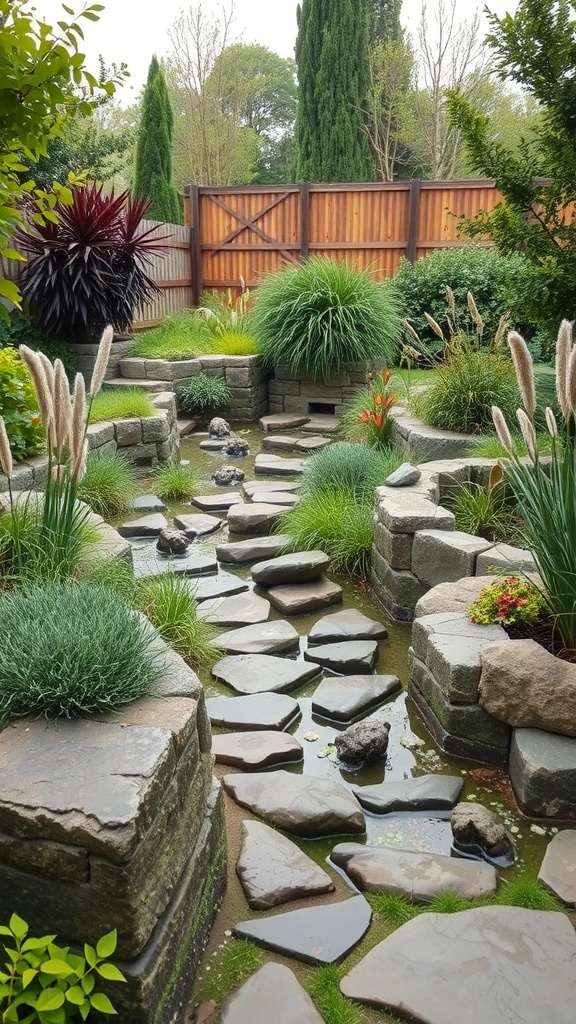
Permaculture layouts always feel peaceful because they’re designed like a little ecosystem. Instead of isolating everything, you place plants so they support each other. Taller plants protect smaller ones, ground covers keep moisture in, and pathways make maintenance simple.
The stone paths are more than aesthetic. They help you move around without compacting soil, and they absorb heat during the day, which can slightly warm nearby plants at night. That tiny bonus matters if your nights run cool.
If you add a small water feature, even just a shallow dish or mini pond, you’ll attract helpful wildlife. Birds, frogs, beneficial insects. It’s a soft way to balance pests without chemicals.
Container Gardening Ideas
Containers are my “life is busy but I still want fresh food” solution. You can grow so much in pots if you’re thoughtful about what goes where. I like grouping by water needs, so I’m not overwatering herbs while trying to keep tomatoes happy.
Mixing plants in one container can be really cute and helpful. Like lettuce around the edges, a pepper plant in the middle, and a few herbs tucked in. It looks lush, and you’re using the pot like a mini garden bed.
Self watering pots are also worth it if you travel, work long hours, or just forget sometimes. No shame. I’ve been there.
Raised Bed Garden Design
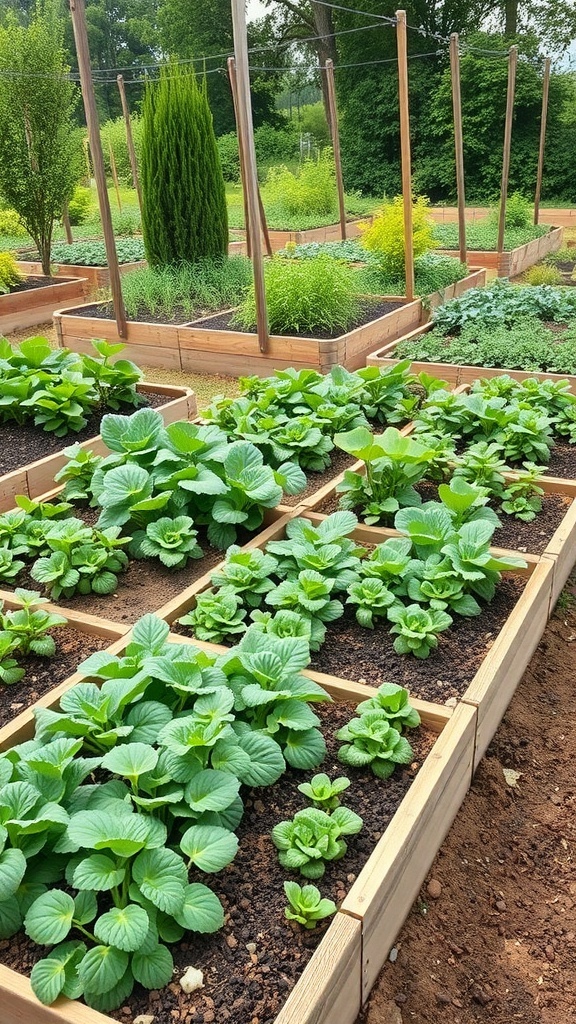
Raised beds just make life easier. The soil stays loose, drainage is better, and you can control what goes into it. Plus they look neat, which makes the whole space feel calmer.
I love leaving a comfortable path between beds so you can move around without doing that awkward sideways shuffle. If you can, keep beds narrow enough that you can reach the center from either side. That one detail keeps your back from hating you.
Adding a trellis at the back of a raised bed is also a space cheat. Cucumbers, beans, peas, even some squash can climb and free up room below.
Square Foot Gardening Method
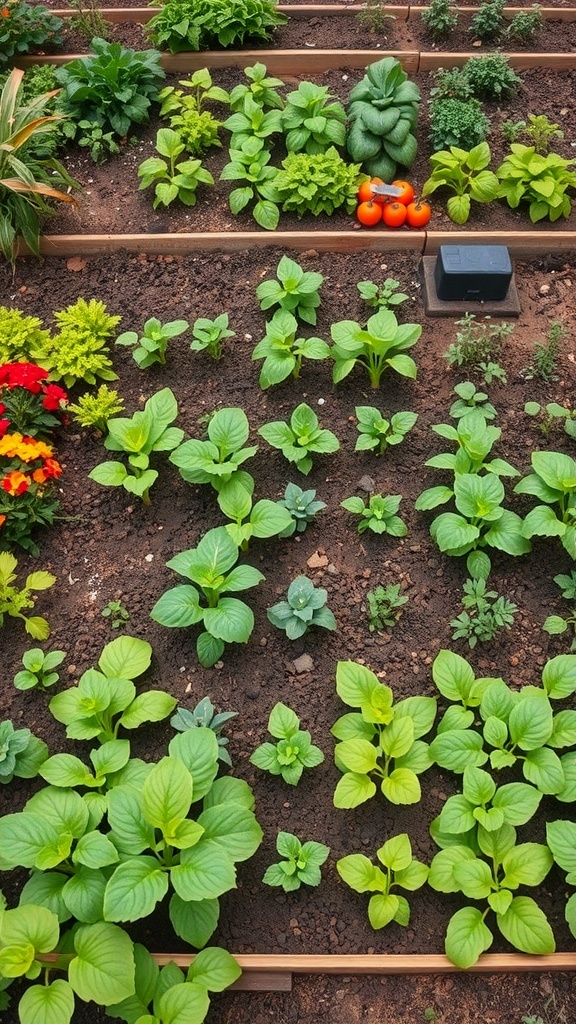
If you like structure and you want to know exactly what’s happening in your garden, this method is so satisfying. You divide the bed into small squares and plant based on spacing rules, so you’re not guessing or overcrowding.
It also makes succession planting way easier. When one square finishes, you replant just that square. No giant rework, no “what do I do now” moment.
I recommend this layout if you’re new to gardening or if you want a cleaner system for tracking rotations and harvests.
Row Gardening Configuration
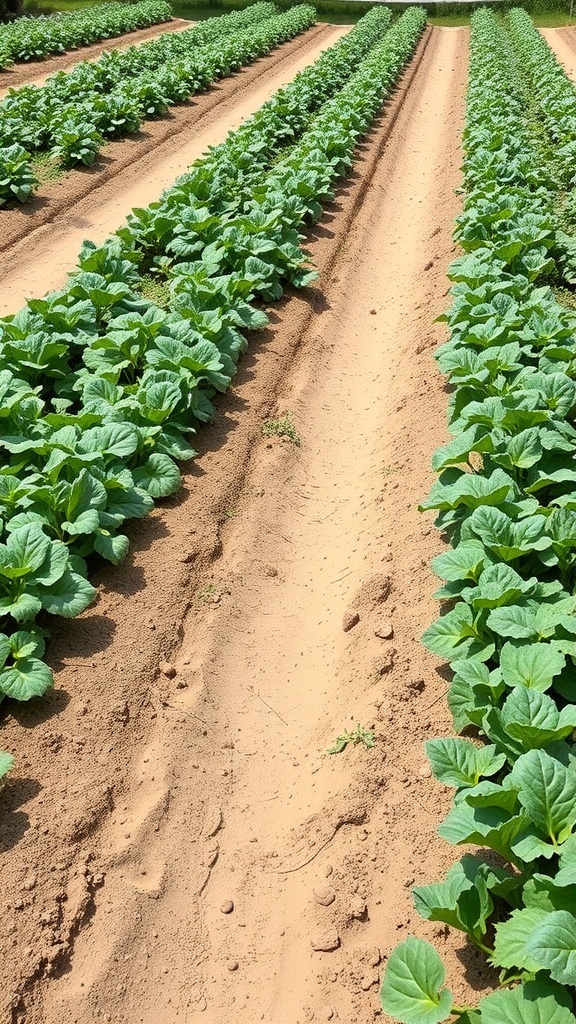
Rows are the classic “get it done” layout, especially if you’re planting a lot. It’s easy to water along the lines, easy to weed, and easy to see which plants are thriving and which ones are struggling.
The key is giving yourself enough space between rows. If you pack them too tight, harvesting turns into a jungle situation real fast. Wider rows also help with airflow, which keeps diseases down.
If you want a layout that’s simple and scalable, rows do the job.
Intercropping Techniques
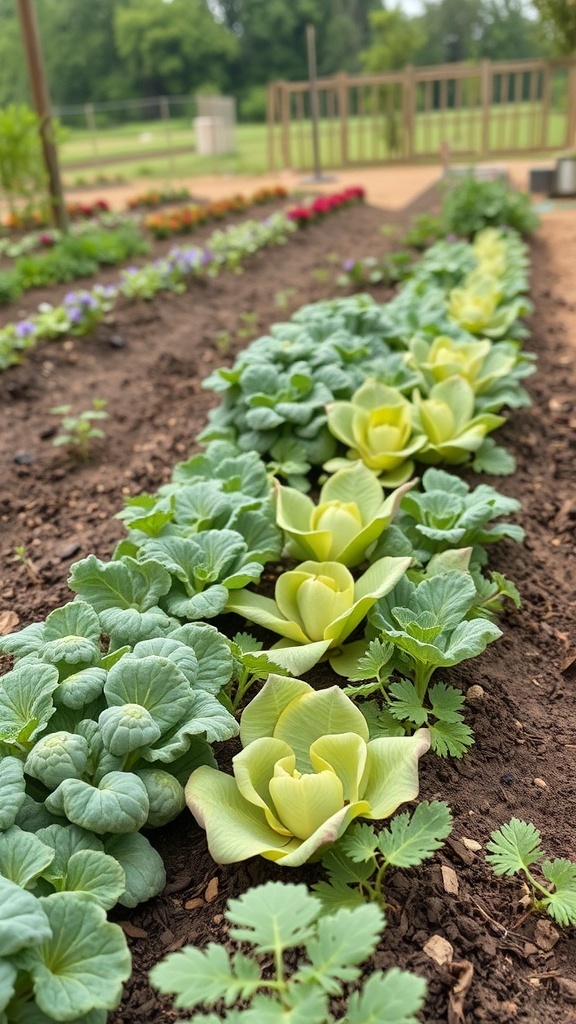
Intercropping is like letting your garden multitask. You plant crops close together on purpose so they share space in a smart way. Think quick growing greens tucked between slower growers like tomatoes or peppers.
I love doing lettuce or radishes under taller plants early in the season. By the time the big plants get huge, the fast crops are already harvested, so nothing feels crowded.
This layout is ideal if you want steady harvests instead of everything ripening all at once.
Seasonal Rotation Plans
This is the layout that keeps your soil from getting tired. Rotating crops helps reduce pest buildup and nutrient depletion. It’s one of those “annoying but worth it” habits that pays off big over time.
I like grouping beds by plant families so rotation feels straightforward. Leafy greens in one area, nightshades in another, legumes somewhere else. Next season, you rotate those groups instead of trying to remember every single plant.
If your garden has had repeat pest issues, rotation is the gentle reset button you want.
Edible Landscaping Ideas
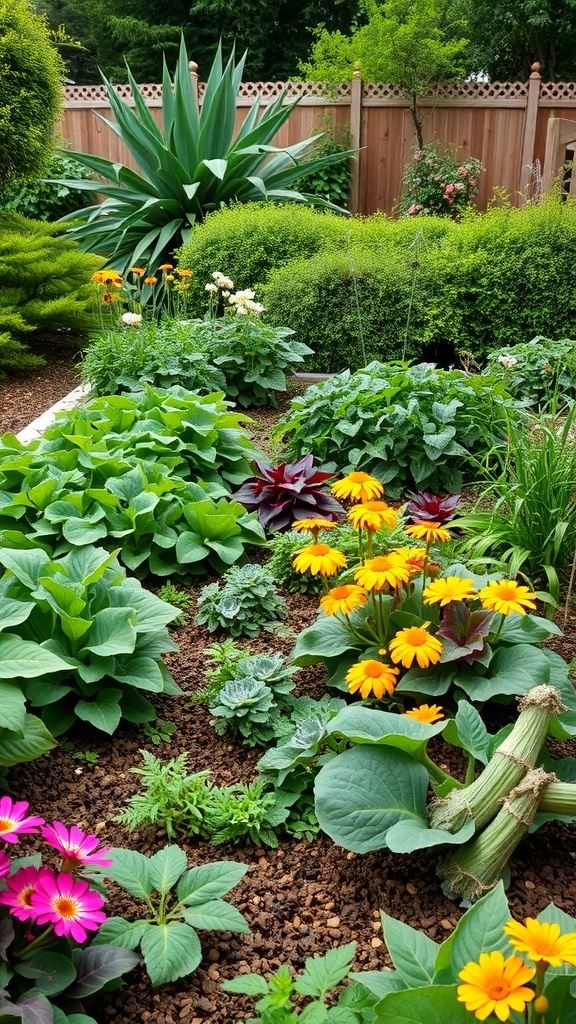
This is for when you want your vegetable garden to look like it belongs in the front yard too. Edible landscaping mixes food plants with flowers and ornamentals so the whole space feels intentional and pretty, not like a utility zone.
I love tucking herbs into borders and letting flowers weave through. It makes harvesting feel casual, like you’re just out there snipping things for dinner.
If you want a garden that’s both beautiful and useful, this layout is the move.
Trellis And Arbor Structures
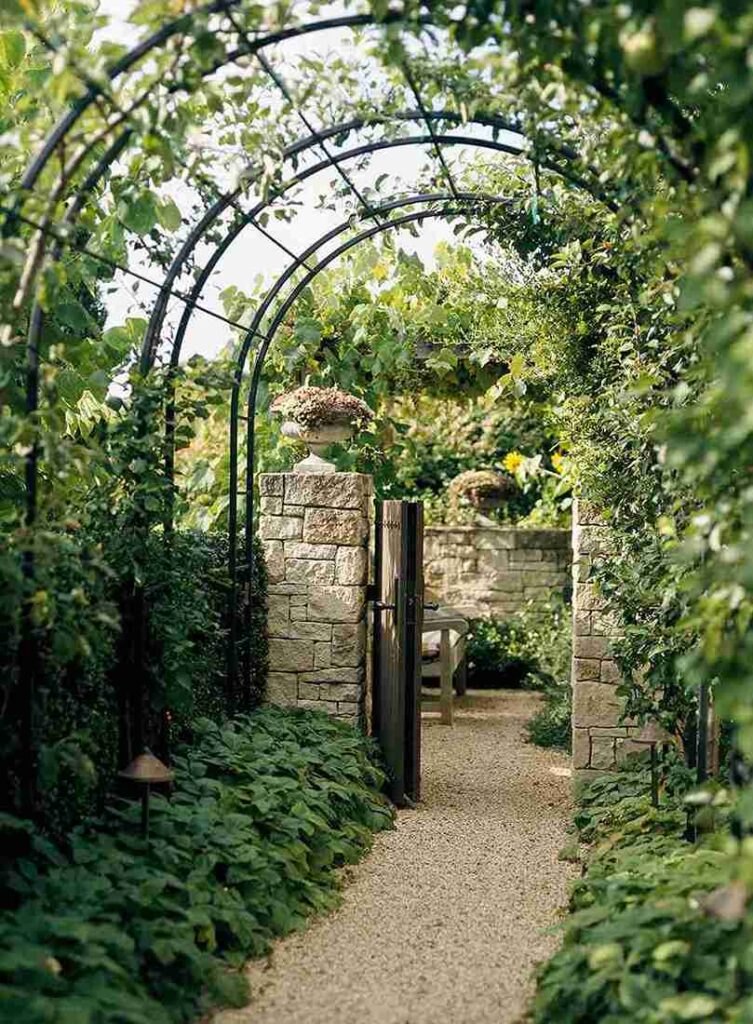
Trellises and arbors are a space saver and a vibe upgrade. Climbing plants get better airflow and cleaner fruit when they’re off the ground, and you get more planting room at the base.
I love how an arbor makes a garden feel like a place you walk through, not just a spot you work in. Train beans, cucumbers, or even small squash varieties up and over, and it turns into this leafy tunnel moment.
If you want your garden to feel cozy and a little magical, add a structure you can grow on.
Wildlife Friendly Garden Design
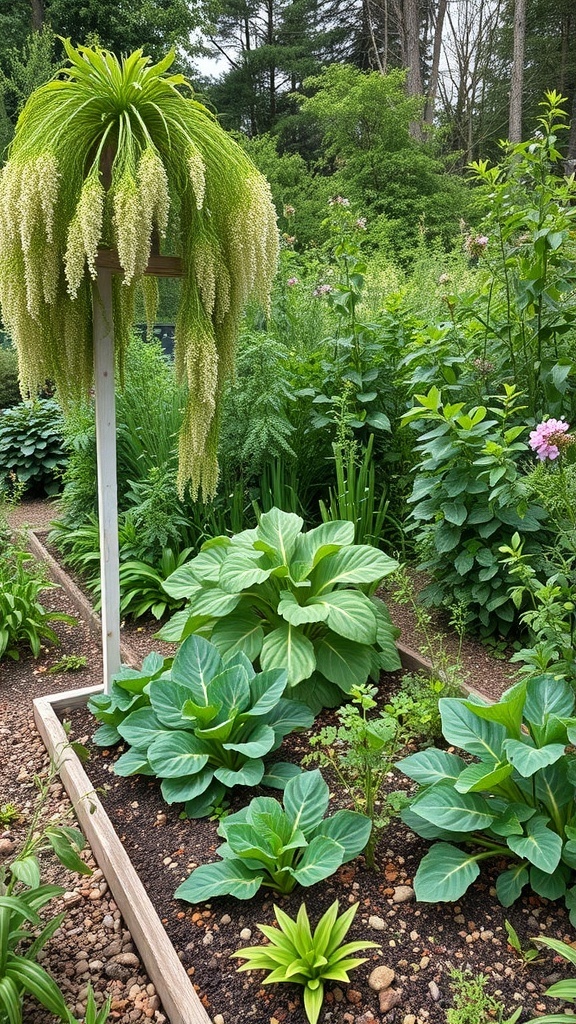
This layout is about sharing your space in a way that actually helps your harvest. When you welcome pollinators and beneficial insects, your garden gets stronger without you doing extra work.
Native flowers nearby, a little water source, and avoiding harsh sprays makes a huge difference. You’ll notice more bees, butterflies, and birds showing up, and that’s usually a good sign the ecosystem is balancing itself.
If you want a garden that feels alive and supportive, this is the energy.
Spiral Garden Layout
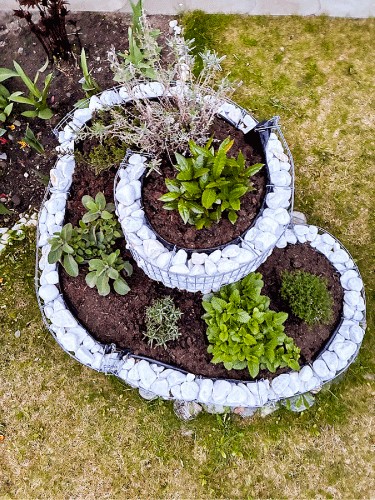
This one is a showstopper, but it’s also practical. A spiral layout creates different sun and moisture zones as you move around the curve, which means you can grow plants with slightly different needs in one compact area.
I like putting drought tolerant herbs closer to the top and moisture loving greens toward the lower areas. It makes the whole garden feel like it has its own little rhythm.
If you want something that’s both functional and artsy, a spiral layout is such a fun project.
Frequently Asked Questions
What Is The Best Vegetable Garden Layout For Beginners
If you’re just starting, raised beds or square foot gardening are the easiest to manage. You’ll have clear boundaries, better soil control, and less weeding. It also helps you avoid planting things too close, which is one of the most common beginner mistakes.
How Do I Plan A Vegetable Garden Layout For A Small Space
Go vertical, use containers, and focus on crops you actually eat. Think tomatoes, herbs, greens, peppers. Keep pots grouped by sunlight needs, and leave yourself a small path or access spot so you are not constantly shifting containers to reach one plant in the back.
How Much Sun Do Vegetables Need In A Garden Layout
Most vegetables do best with 6 to 8 hours of sun daily. If your space is partly shaded, plant leafy greens and herbs in the less sunny areas, and save the brightest spots for tomatoes, peppers, cucumbers, and squash.
How Far Apart Should Garden Beds And Paths Be
A comfortable path is usually around 18 to 24 inches wide, wider if you use a wheelbarrow. Beds are easiest to reach when they are about 3 to 4 feet wide, so you can access the center without stepping into the soil.
Do I Really Need Crop Rotation If I Have A Small Garden
It helps, even in small spaces. If you can’t rotate a lot, rotate what you can. Switch plant families each season, refresh soil with compost, and consider growing a quick cover crop in the off season to keep your soil from getting depleted.
Conclusion
At the end of the day, the best garden layout is the one you’ll actually keep up with. Pick a style that matches your space and your energy level, then start small and adjust as you go. Even one smart change, like adding a path, going vertical, or grouping plants better, can make your whole season feel smoother.
Try a couple of these vegetable garden layout ideas, see what feels good, and let your garden evolve with you. That’s the fun part.