19 Fascinating Facts About Milkweed Plants You Need to Know
Honestly, if you saw my backyard right now, you’d see why I’m so obsessed with these plants. There is something so magical about seeing those tiny striped caterpillars munching away on a leaf you grew yourself.
I know you’ve probably heard about the monarch crisis, and I’m telling you, planting the milkweed plant is the easiest way to literally save a species while making your yard look like a Pinterest dream. You’re going to get the full scoop on how to grow it, why it matters, and how to keep it looking gorgeous without a ton of work.
A Little Backstory from My Summer Garden
Every year when the heat really starts to kick in, I get this restless feeling to be out in the dirt. It’s part of how I stay connected to the land, honestly. My grandma used to tell me that certain plants have a spirit of their own, and milkweed is definitely one of them.
Last summer, I was sitting on my porch with a coffee and saw the first monarch of the season. It felt like a tiny miracle landing right in front of me. I realized then that I don’t need a massive, perfectly manicured estate to make a difference. I just need a few easy, practical patches of habitat. Life is busy enough, right? I want a garden that feels like a sanctuary, not a chore list.
Since I know you’re looking for ways to spice up your outdoor space while doing some good for the earth, you have to check these out.
My Favorite Ways to Level Up Your Garden with Milkweed
Get to Know the Neighborhood Favorites
Have you ever looked at a map and realized how much territory these plants cover? It’s kind of wild. Milkweed is like the ultimate traveler, adapting to everything from the humid South to the cooler northern spots. I’m lowkey obsessed with how it just knows how to survive wherever it lands.
In the warmer zones, you’ll see it getting super tall and lush, almost like a jungle for the butterflies. In the cooler areas, it stays a bit more compact but still does the heavy lifting for the ecosystem. It’s all about finding the right vibe for your specific climate so it can really thrive without you having to baby it too much.
Throw a Pollinator Party
If you want a garden that’s literally buzzing with life, this is your secret weapon. There is nothing like seeing a cluster of bright pink flowers covered in bees and butterflies on a sunny afternoon. It’s like nature’s version of a busy coffee shop.
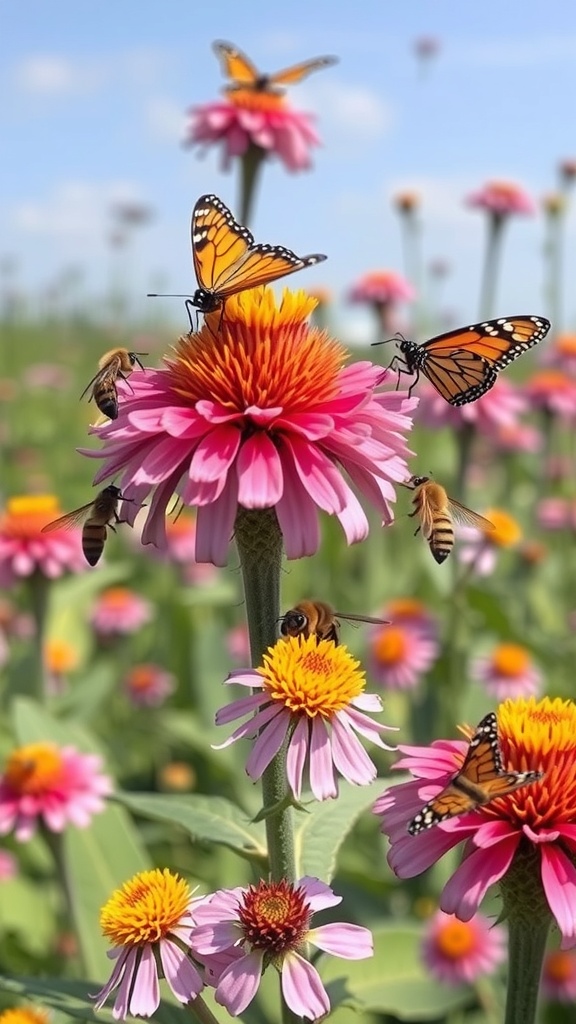
I love that by planting these, you’re basically setting the table for the monarchs. The females are so picky, they’ll only lay their eggs on these specific leaves. Without them, the whole cycle just stops. It makes me feel so good knowing my little patch of dirt is keeping the next generation going.
The Ultimate Ecosystem MVP
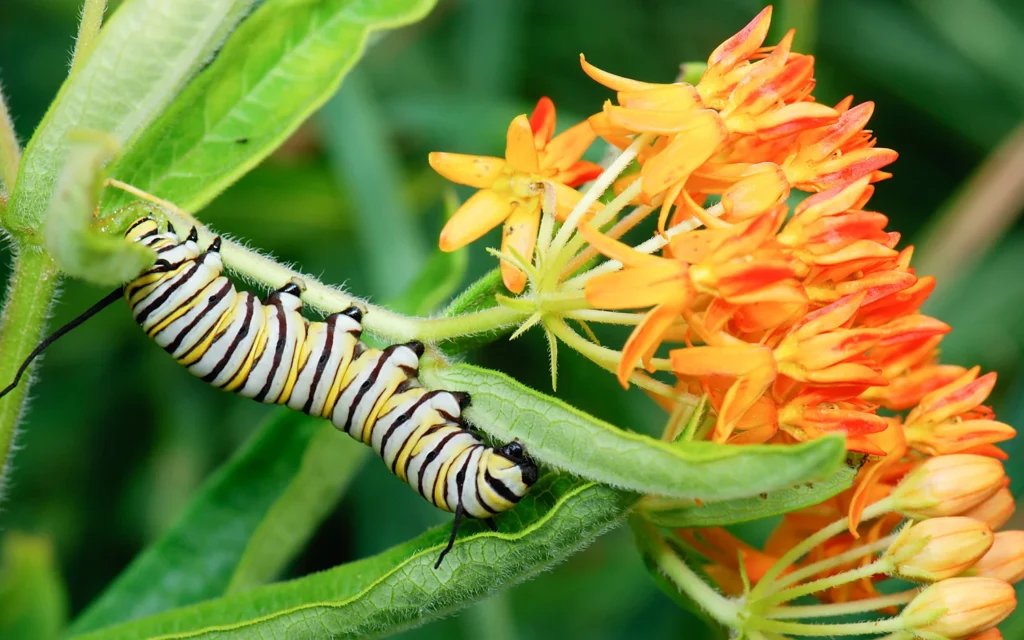
You’ve got to see these orange and red blooms in person to really appreciate them. They are so vibrant! But beyond the looks, these plants are doing some serious work behind the scenes. They aren’t just pretty faces; they’re the foundation for so much local wildlife.
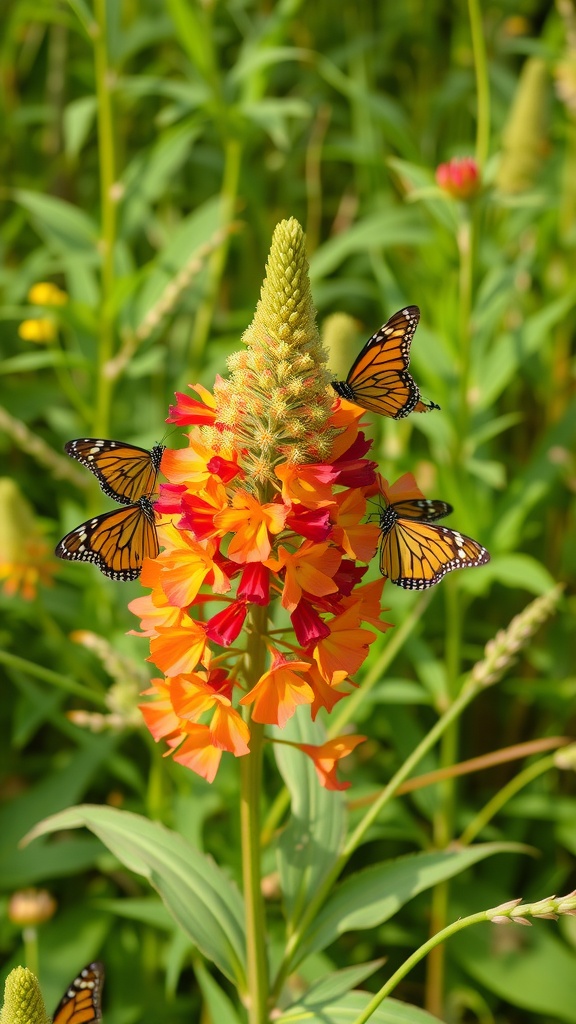
When you see the butterflies drinking that nectar, it’s a total “circle of life” moment. I’ve noticed that since I started planting more milkweed, my whole garden feels more balanced. It brings in the good bugs that help keep the pests away, which is a win-win for any lazy gardener like me.
Choose Your Character (Varieties)
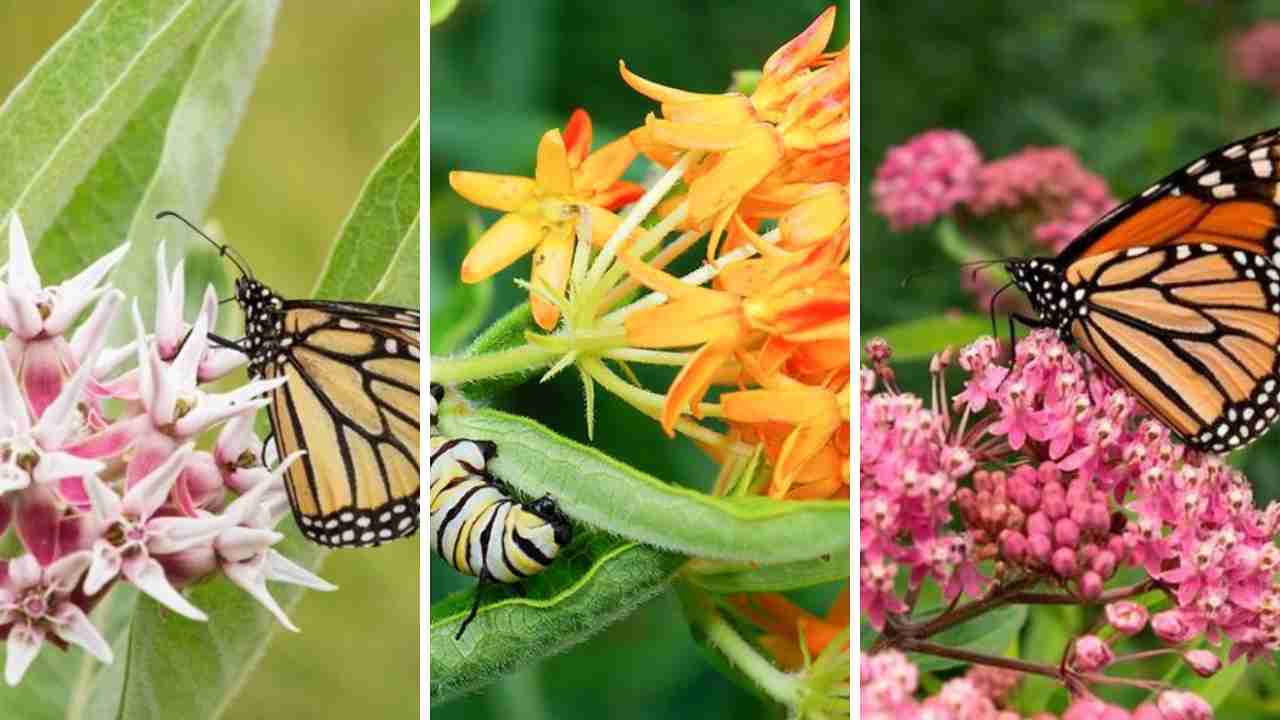
Did you know there isn’t just one type? It’s like a whole fashion line of plants. You’ve got the Common Milkweed with those big, dreamy clusters of pink. Then there’s the Swamp Milkweed, which is perfect if you have a spot that stays a little damp. It has these gorgeous purple flowers that I’m just in love with.
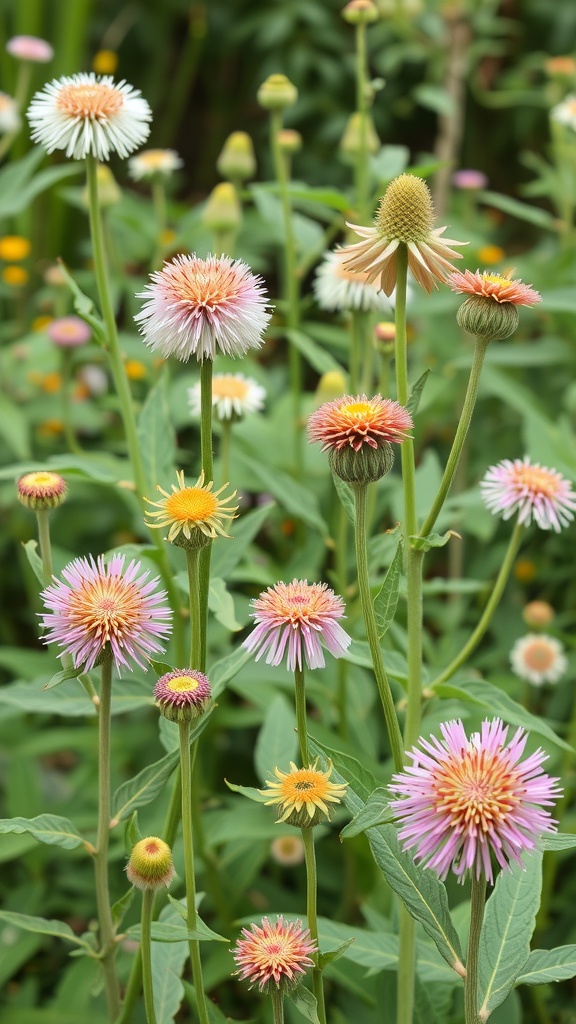
My personal favorite has to be the Butterfly Weed. It’s this electric orange that just pops against everything else. I like to mix a few different kinds together to get a variety of heights and colors. It makes the garden look way more intentional and curated, even if I just kind of tucked them in wherever.
Host the Monarch Guest List
Watching a monarch perch on a yellow milkweed bloom is honestly the highlight of my morning. They look so delicate, but they’re actually these amazing little travelers. The plant gives them the nectar they need for energy, and the leaves are the only thing the babies can eat.
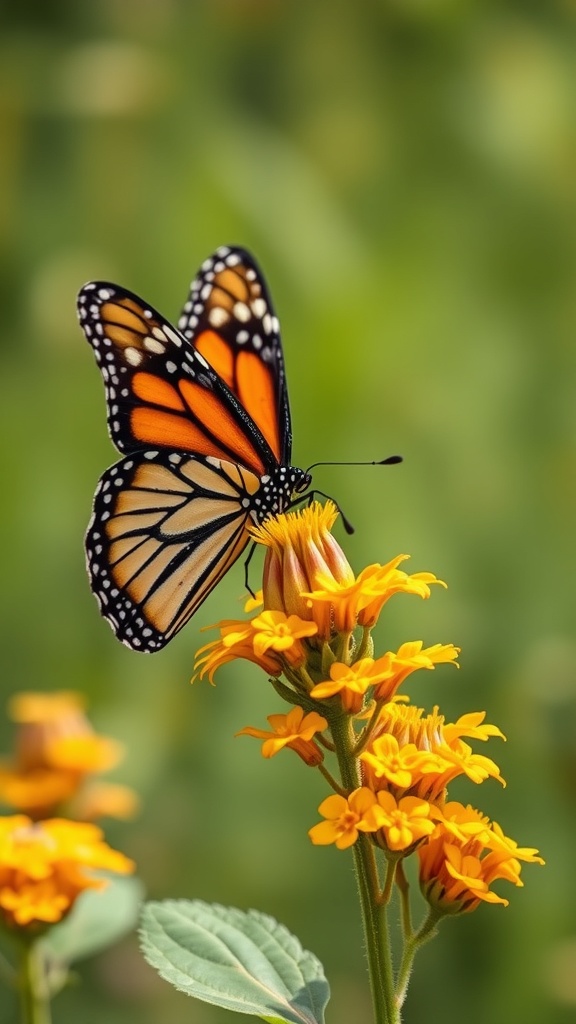
Since their numbers have been dropping lately, I feel like it’s our job to roll out the red carpet for them. It’s such a small thing for us to do, but it’s everything for them. Plus, you get a front-row seat to one of the coolest transformations in nature.
The Cycle of Life in Your Yard
I find the whole growth process so cool to watch. It starts as this tiny sprout and then just takes off. By late summer, you get these fascinating pods that eventually burst open. It’s such a sensory experience seeing all that white fluff floating through the air on a breeze.
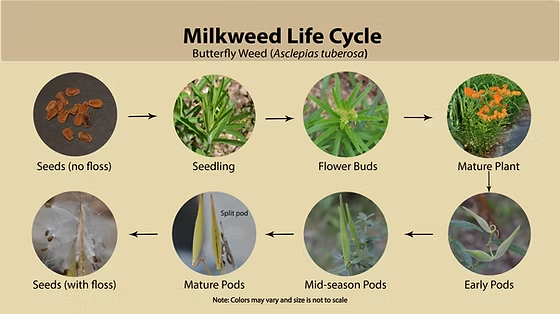
Those seeds are designed to catch the wind and find a new home. It’s nature’s way of saying “I’ve got this.” I always try to leave a few pods to open on their own so I can see where the next generation ends up sprouting.
Get Your Hands a Little Dirty
You don’t need to be a pro to grow these. Honestly, they’re pretty tough once they get going. Just find a sunny spot—they love to soak up the rays—and make sure the soil drains well. I usually give mine a good soak when I first plant them, but after that, they’re surprisingly drought-tolerant.
One little tip from my own trial and error: keep an eye out for aphids. They’re these tiny little yellow bugs that love milkweed as much as we do. If you see them, I usually just spray them off with a hose. No need for harsh chemicals that might hurt our butterfly friends!
Wisdom from the Roots
Our ancestors knew these plants inside and out. It’s not just a garden flower; it’s part of a whole tradition of natural medicine. I’ve always been fascinated by how it was used to help with breathing or skin issues back in the day.
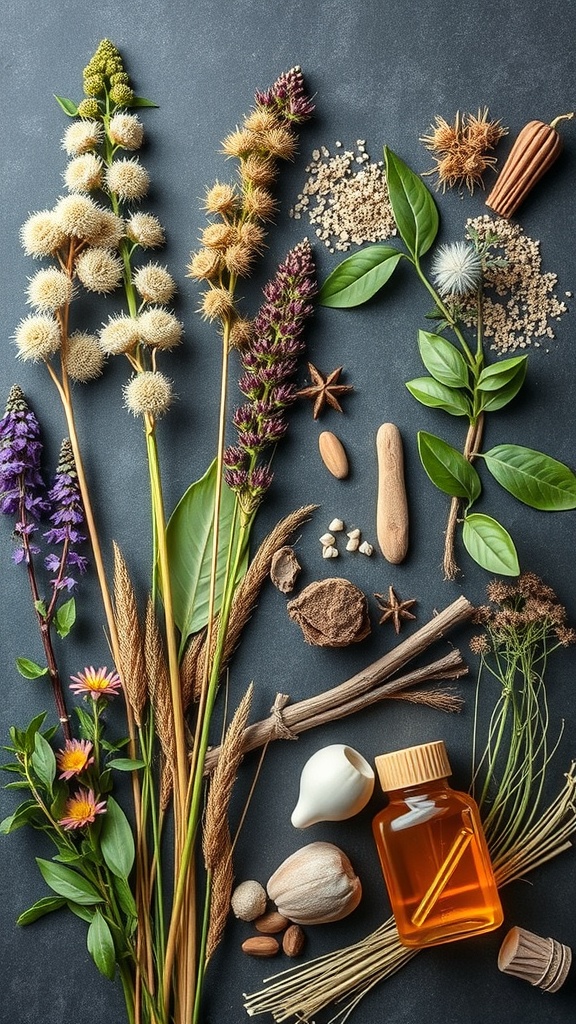
The milky sap is the secret ingredient, though you have to be careful with it. It’s a powerful plant with a lot of history. Even if you aren’t making your own poultices, just knowing that lineage makes the plant feel so much more special when you’re looking at it.
Real Talk About the Hard Stuff
It’s not all sunshine and butterflies, though. Milkweed is actually under a lot of pressure. Between new construction tearing up their natural homes and all the pesticides people use on their lawns, these plants are struggling. It breaks my heart a little bit.
Even climate change is messing with their internal clocks, making them grow at weird times. That’s why our little backyard patches are so important. We’re basically creating tiny lifeboats for the monarchs while the rest of the world gets a bit chaotic.
Honoring the Ancestors
I love thinking about the women who came before me, weaving milkweed fibers into twine and baskets. It connects me back to my roots in such a tangible way. The plant isn’t just “nature”—it’s a resource, a story, and a tool all in one.
Whenever I see those strong stems, I’m reminded of how resourceful we’ve always been. Using what the earth provides is a form of respect. It makes me want to tend my garden even more carefully, knowing I’m carrying on a very old tradition.
Grow Your Own from Scratch
If you want to start from seed, there’s a little trick you need to know: they love the cold. I usually pop mine in the fridge in a damp paper towel for a month before planting. It sounds weird, but it tricks them into thinking they’ve survived a winter, so they’re ready to wake up and grow.
You can also take cuttings if you’re impatient like I am sometimes. Just put a healthy stem in some water and wait for the magic to happen. It’s so rewarding to see those first little roots start to peek out. Before you know it, you’ll have a whole forest of them.
Dreaming of a Greener Future
I honestly believe that if we all just planted a few of these, we could change everything. Imagine a whole chain of gardens across the country, all connected by these fuzzy pods and bright flowers. It’s such a beautiful vision of what our communities could look like.
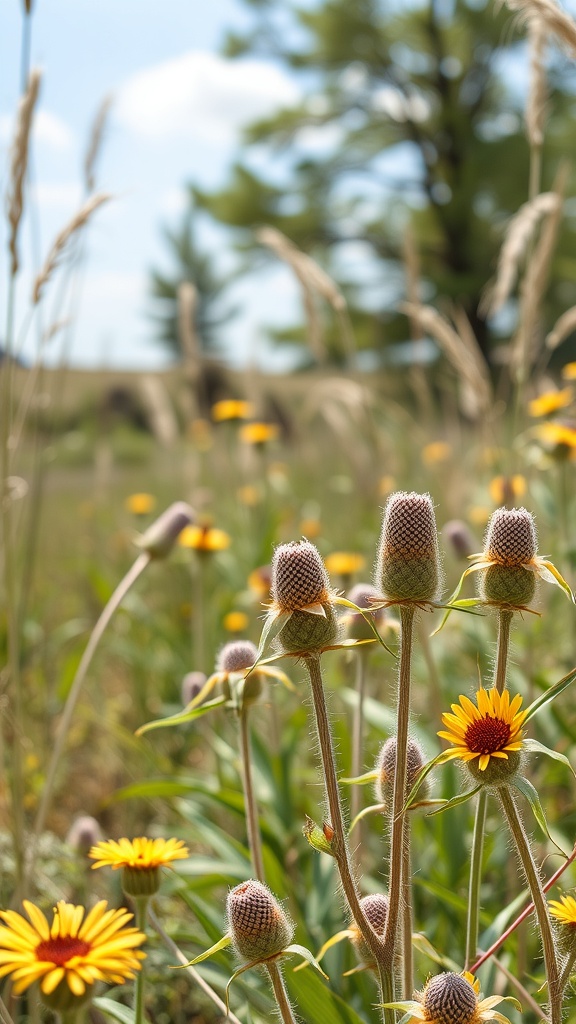
It’s about more than just one plant; it’s about choosing to care. Whether it’s teaching the kids about the monarch migration or just sharing a few seeds with a neighbor, every little bit matters. We’re building a future where these butterflies are still fluttering around for our grandkids to see.
Style It Up
Who says a “wildlife garden” has to look messy? I love using milkweed to add height and texture to my flower beds. Those tall, slender stems look so chic, and the pink blooms add this soft, dreamy vibe that I’m totally here for.

I like to pair them with some native grasses to get that “elevated meadow” look. It’s low maintenance but looks like you hired a professional designer. Plus, you get the added bonus of butterflies as living lawn ornaments. What’s more aesthetic than that?
Safety First, Always
Just a quick “big sister” warning: milkweed is beautiful, but it’s got some bite. The milky sap can be a bit irritating if you get it on your skin, and it’s definitely not for eating. It’s the plant’s way of protecting itself, which I actually kind of respect.
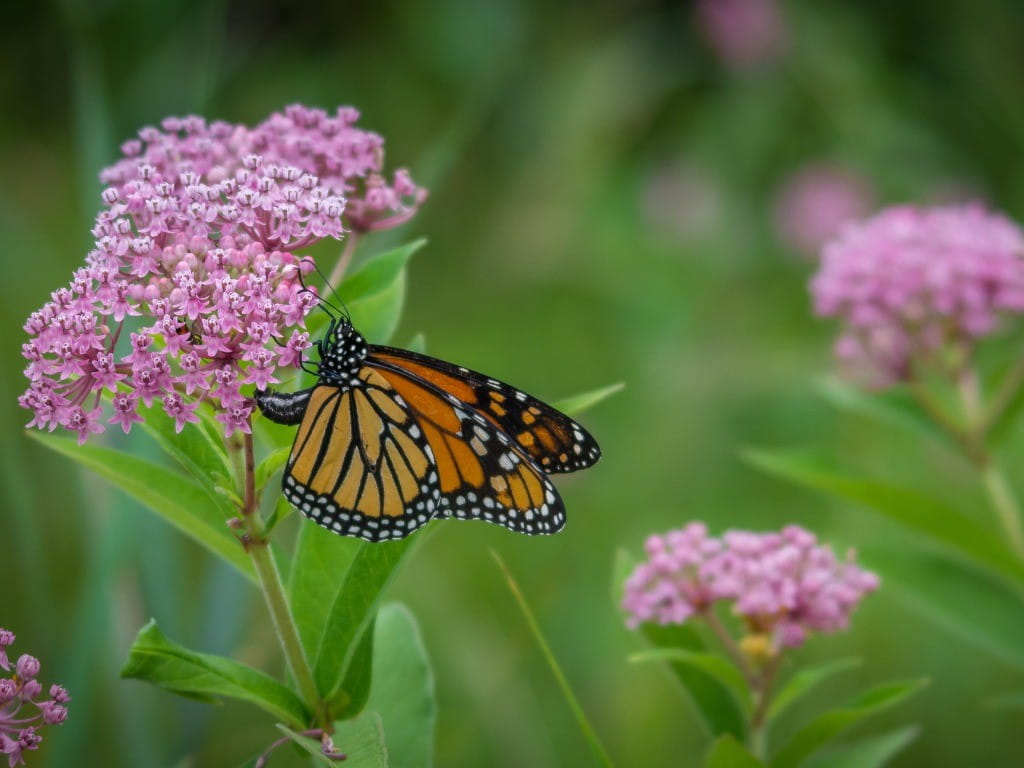
I always wear my gardening gloves when I’m pruning or moving them around. If you have curious pets or little ones, just make sure they know to look but not touch. It’s all about coexisting safely so we can all enjoy the beauty without any itchy surprises.
Build Your Own Butterfly Sanctuary
Ready to turn your backyard into the neighborhood’s favorite hangout? Honestly, creating a milkweed habitat is one of the most rewarding weekend projects I’ve ever done. You just need a spot that gets about six hours of that good, direct sunlight, and you’re basically halfway there.
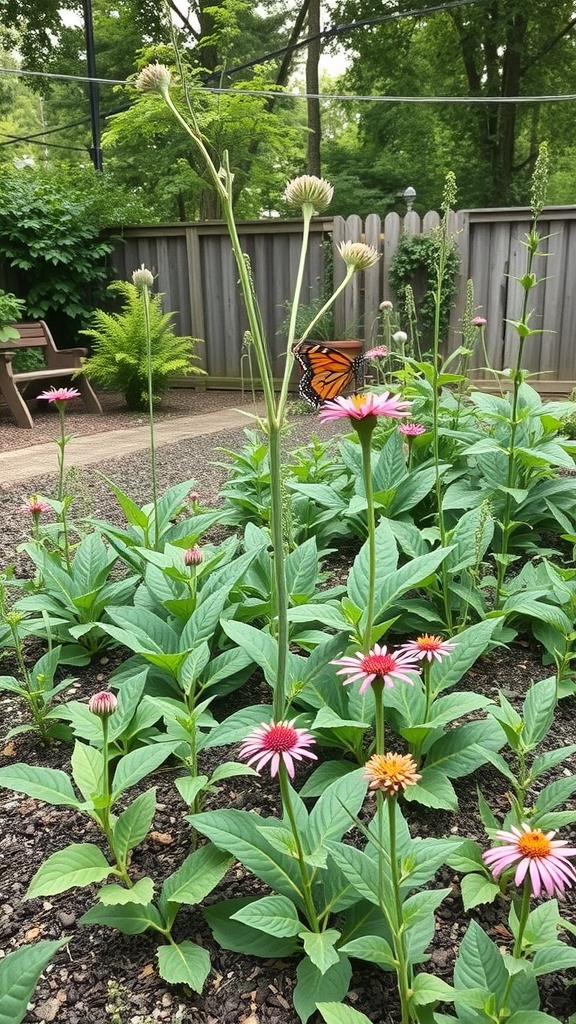
I usually start by clearing out any stubborn weeds and mixing in a little compost to give the soil some love. Once you get your plants in the ground, just keep them hydrated while they’re settling in. I’m telling you, the first time you see a monarch fluttering around your own yard, it feels like a total “we did it” moment for the planet.
I really hope this inspires you to tuck a little the milkweed plant magic into your own space this season. It’s such a cozy, grounding way to give back to the earth while making your home feel like a real sanctuary. Honestly, once you see your first monarch visit, you’ll be just as hooked as I am! Happy planting, friend.