How to Start a Garden From Scratch
A gentle, practical guide for growing something real
Starting a garden usually begins with a feeling. Maybe it is the urge to step outside more. Maybe it is wanting food that feels closer to the earth. Or maybe you just keep imagining green leaves where there is currently nothing at all.
If you are standing at the very beginning, unsure where to start, you are in the right place. Gardening does not need perfection or experience. It needs attention, patience, and a willingness to learn as you go.
Here is how to begin, one thoughtful step at a time.
1. Let the Season Guide You
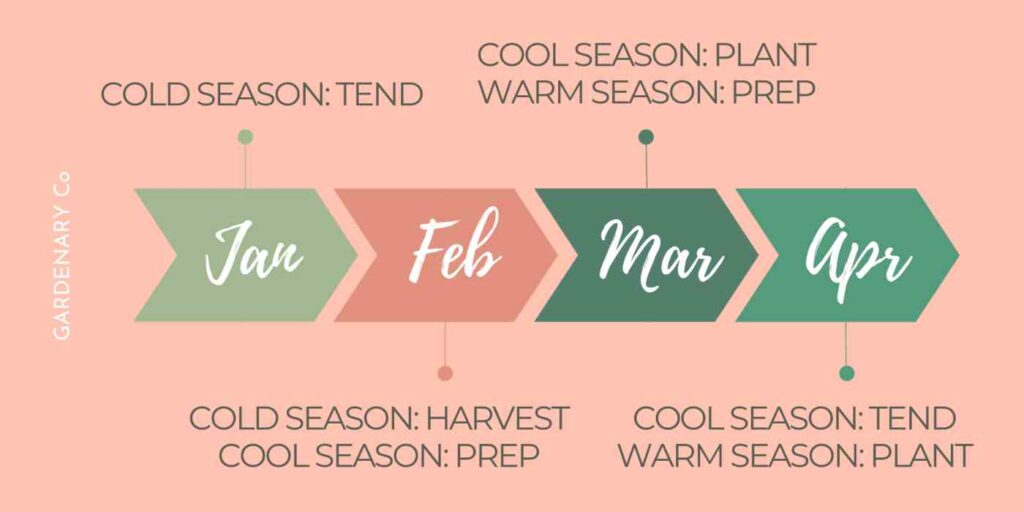
Before buying seeds or tools, notice what time of year you are in.
Most gardens begin in spring when the soil softens and frost fades, but every climate has its own rhythm. Some plants prefer cool weather, others wait for warmth. Working with the season instead of against it makes everything feel easier.
Try this:
Look up your average last frost date and mark it somewhere visible.
2. Decide What Kind of Garden You Want to Live With
This is less about trends and more about daily life.
Do you picture yourself cutting flowers for the table? Harvesting herbs for cooking? Watching pollinators move through your space? The best gardens grow from genuine interest, not obligation.
Try this:
Write down what you want to feel when you step into your garden.
3. Learn Your Growing Zone, Then Let It Simplify Things
Your growing zone quietly shapes what thrives where you live.
It explains why certain plants struggle or flourish and helps you make kinder choices for your garden. Once you know it, plant selection becomes far less confusing.
Try this:
Save your hardiness zone on your phone so you can check it while shopping.
4. Observe Sunlight Before You Choose a Spot
Sunlight is one of the most important factors in gardening, yet it is often guessed instead of observed.
Spend time noticing where light falls in the morning and afternoon. A space that looks sunny at noon may be shaded most of the day.
Try this:
Watch your yard or balcony at two different times and note the patterns.
5. Choose Between Raised Beds or Planting in the Ground
This choice shapes how your garden feels and functions.
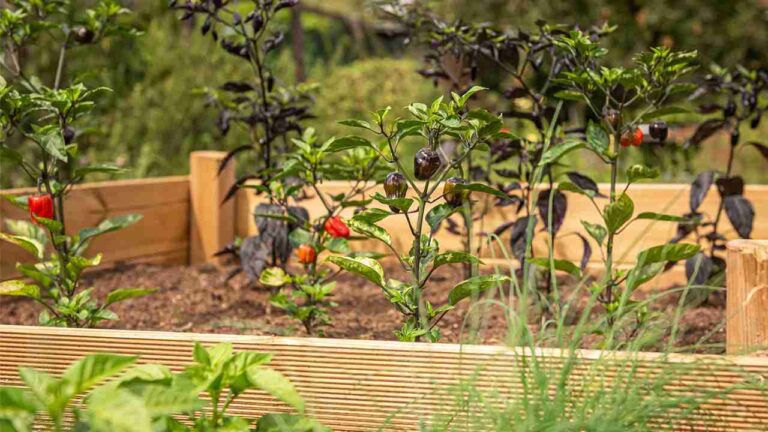
Raised beds offer structure and easier access. In ground planting feels natural and requires less setup. Both can work beautifully. What matters is choosing what fits your body, space, and energy.
Try this:
Pick the option that feels manageable, not impressive.
6. Use Vertical Space When Ground Space Is Limited
Gardens do not need to spread wide to feel abundant.
Walls, fences, and trellises can support vines, herbs, and compact vegetables. Vertical growing often brings life to overlooked corners.
Try this:
Look for one vertical surface that could support a climbing plant.
7. Prepare the Space Gently
If grass or weeds are in the way, remove them with patience.
Sheet mulching with cardboard and organic material allows the soil to transform naturally over time. This slower approach supports soil life and reduces disruption.
Try this:
Start with a small section instead of clearing everything at once.
8. Build Healthy Soil Before Expecting Healthy Plants
Soil is the quiet foundation of every garden.
Most struggles trace back to soil that lacks nutrients, balance, or organic matter. Compost improves structure, supports microbes, and helps plants settle in.
Try this:
Mix compost into your soil before planting anything.
9. Choose Plants That Match Your Pace
Gardens thrive when they align with how you live.
If you enjoy daily tending, choose plants that respond to attention. If you prefer a slower rhythm, select resilient varieties. There is no wrong approach.
Try this:
Be honest about how much time you want to spend caring for plants.
10. Plan for Growth, Not Just the First Week
Plants change quickly once they feel at home.
Spacing them properly allows airflow, reduces stress, and supports long term health. Crowded gardens often struggle later in the season.
Try this:
Check mature plant size before planting and give extra room.
11. Let Color Be a Feeling, Not a Formula
Color shapes how a garden feels emotionally.
Cool tones create calm. Warm tones bring energy. Mixing them tells a story that shifts through the season. Choose what brings ease when you look at it.
Try this:
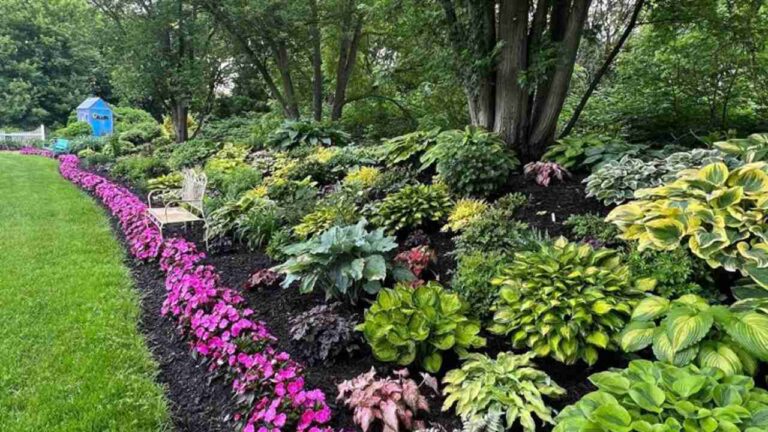
Pick two or three colors that feel good together and repeat them.
12. Plant With Care and Pause Often
Planting is an act of settling in.
Seeds need the right depth. Transplants need space and water. Once planted, resist the urge to adjust immediately. Roots need time.
Try this:
Plant fewer things at once and focus on doing it well.
13. Learn Which Plants Belong and Which Do Not
Some unexpected plants are gifts, not problems.
Many flowers reseed naturally and return without effort. Learning to identify weeds takes time, but patience here prevents unnecessary removal.
Try this:
Let unknown seedlings grow a little before deciding what to do.
14. Accept That Nature Is Not Perfect
Every garden experiences pests and imperfections.
Balance matters more than control. Healthy soil and diverse plants naturally support resilience. Intervention should be thoughtful, not reactive.
Try this:
Decide what level of damage you can live with before acting.
A Gentle Reminder
Gardens are not built in a weekend. They unfold slowly, season by season. You are allowed to change your mind, move plants, and learn as you go.
At EcoGardenBloom, we believe gardening is less about mastering techniques and more about building a relationship with your space.
Start small. Stay curious. Let the garden meet you where you are.