How Often Should I Water My Plants?
If watering your garden feels confusing, you are not doing anything wrong. One of the hardest parts of gardening is accepting that there is no single schedule that works every day, or even every season.
How often you should water your plants depends on your climate, your soil, what you are growing, and what stage those plants are in. Some days the garden needs attention. Other days, the best thing you can do is leave it alone.
Instead of chasing a perfect routine, this guide will help you learn how to read your soil and plants so watering becomes intuitive rather than stressful.
Key takeaway:
There is no universal watering schedule. The healthiest gardens are watered based on soil moisture, plant needs, and seasonal conditions rather than the calendar.
Do I Have to Water My Garden Every Day?
Short answer, not always.
In peak summer heat, some gardens do need daily watering. Others do better with deeper watering every few days. What matters most is not how often water is applied, but how well the soil holds it.
The goal is moisture that reaches the root zone and stays there long enough for plants to use it.
Evaporation Changes Everything
Evaporation rates vary widely based on temperature, humidity, sun exposure, and wind.
In hot, dry, or windy conditions, soil can dry out quickly, sometimes within hours. In cooler or more humid climates, moisture may linger much longer.
A simple way to understand your evaporation rate is to check the soil after watering.
Try this:
Water thoroughly, then check soil moisture about 12 hours later and again at 24 hours.
- If soil is dry after 12 hours, you may need to water more than once a day during extreme heat.
- If soil dries out by 24 hours, daily watering may be necessary.
- If soil is still moist after 24 hours, you can likely wait another day or two.
As seasons shift, evaporation changes too. A routine that works in spring often needs adjusting in midsummer.
Newly Planted Seeds and Seedlings Need More Care
Seeds and young seedlings are especially sensitive to drying out.
Seeds that dry after planting may never germinate. Transplanted seedlings need consistent moisture while their roots settle into new soil.
For the first couple of weeks after planting, soil should stay evenly moist, not soaked and not dry.
A gentle guideline:
Water daily or every other day during early establishment, then gradually space watering out as plants mature.
Some Plants Are Thirstier Than Others
Not all plants use water the same way.
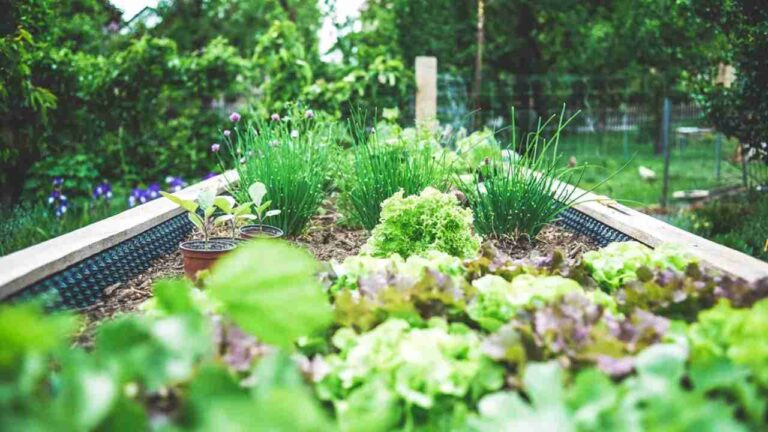
Leafy greens like lettuce have shallow roots and need frequent moisture. Drought tolerant plants such as perennial herbs or eggplant can handle longer gaps between watering once established.
Placement matters too. Soil near the edges of raised beds and containers dries faster than soil in the center.
A thoughtful approach:
Group plants with similar water needs together and place thirstier plants where moisture stays more consistent.
If You Are Fighting to Keep a Plant Alive, Temperature Might Be the Issue
Sometimes watering feels endless, yet plants still struggle.
This often happens when a plant is growing outside its preferred temperature range. Excess heat causes stress that water alone cannot fix.
If a plant requires constant watering just to survive, it may be better suited to a different season.
A quieter solution:
Grow crops that align with your climate instead of forcing them through extreme conditions.
Bare Soil Dries Out Faster Than Planted Soil
It may seem counterintuitive, but gardens with more plant coverage often need less water.
Exposed soil loses moisture quickly. Once plants grow in and shade the surface, soil retains water more efficiently.
After about six weeks, aim to have soil mostly covered by plants or mulch. This reduces evaporation and protects soil structure.
Containers Need Water More Often
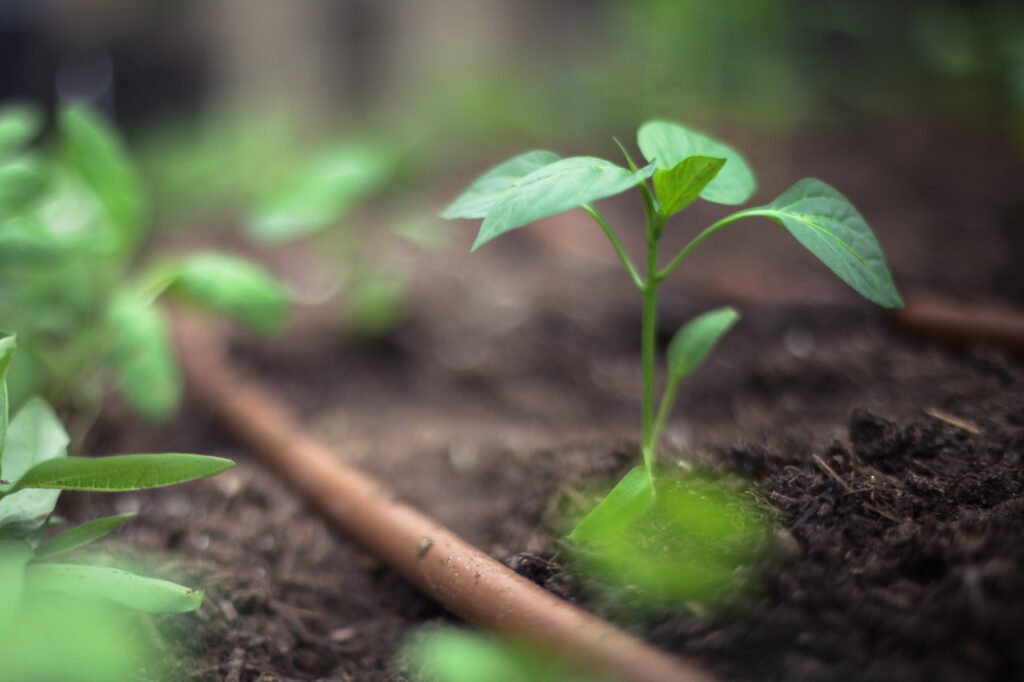
Containers and pots dry out faster than raised beds or in ground gardens.
Smaller soil volume, increased exposure, and materials like terracotta all contribute to faster moisture loss.
If you garden in containers, expect to water more frequently, especially during hot weather.
Rain Counts, But It Does Not Always Reach the Roots
Rainfall can reduce how often you need to water, but not all rain is equal.
A light shower may only wet the surface. Most plants need about one inch of water per week, including rainfall.
Even after rain, it is worth checking soil moisture to see how deep the water reached.
A simple habit:
Skip watering if steady rain is expected and soil is already moist, but always confirm by checking the soil.
How Do You Know If You Are Watering Too Much or Too Little?
Your soil and plants will tell you.
Signs you may need to water more often include dry or cracked soil, soil pulling away from container edges, wilting leaves, or brown leaf edges.
Signs you may be watering too often include yellowing leaves, mushy stems, rot, or mildew.
Overwatering usually means watering too frequently, not giving too much water at once.
When in Doubt, Check the Soil With Your Finger
The most reliable tool you have is your hand.
Push your finger a couple of inches into the soil. If it feels dry, it is time to water. If it still feels cool and moist, wait.
Gardens change daily. Staying flexible and observant leads to healthier plants and less wasted water.
Garden Watering Checklist
Use this checklist to stay responsive to your garden instead of following a rigid routine.
- Check soil moisture with your finger before watering
- Water deeply so moisture reaches plant roots
- Adjust watering frequency based on weather and season
- Water newly planted seeds and seedlings more often
- Group plants with similar water needs together
- Watch for signs of overwatering or underwatering
- Reduce watering when soil stays moist after rain
- Mulch or plant densely to reduce evaporation
- Water containers more frequently than garden beds
- Reevaluate your watering routine every few weeks
Frequently Asked Questions
How often should I water plants in summer?
In summer, many gardens need more frequent watering due to heat and evaporation. Some plants may need water daily, while others do better with deep watering every few days. Always check soil moisture instead of relying on a fixed schedule.
Is it better to water plants in the morning or evening?
Morning watering is usually best. It allows water to soak into the soil before heat increases and helps reduce disease by letting leaves dry during the day.
How do I know if my plants are getting enough water?
Healthy plants have firm stems and evenly colored leaves. If soil feels moist a few inches below the surface and plants look upright and steady, watering is likely sufficient.
Can overwatering harm plants?
Yes. Overwatering can suffocate roots, cause yellowing leaves, and lead to rot or fungal issues. Overwatering usually means watering too often, not using too much water at once.
Do raised beds need more water than in ground gardens?
Raised beds often dry out faster than in ground gardens because they have more exposed soil and better drainage. They usually need more frequent watering, especially in warm weather.
Should I water plants after it rains?
Sometimes. Light rain may not reach plant roots. Always check the soil before skipping watering, even after rainfall.
Bottom Line
Watering is not about strict rules or perfect schedules. It is about paying attention.
When you learn to read your soil and plants, watering becomes simpler, calmer, and more effective. Trust the signals your garden gives you and adjust gently as conditions change.
At EcoGardenBloom, we believe the healthiest gardens grow from awareness, patience, and respect for natural rhythms.