Seasonal Garden Maintenance: What to Do in Spring, Summer, Fall, and Winter
A healthy garden is not built in one season. It is shaped slowly, month by month, as plants respond to temperature, light, moisture, and rest.
Understanding seasonal garden maintenance helps you work with nature instead of reacting to problems later. Each season asks for something different, and when you respond at the right time, the garden becomes easier to care for and more resilient overall.
This guide walks through what your garden needs in spring, summer, fall, and winter, with practical steps you can return to year after year.
Key takeaway:
Seasonal maintenance keeps soil healthy, plants balanced, and problems smaller before they grow.
Spring Garden Maintenance
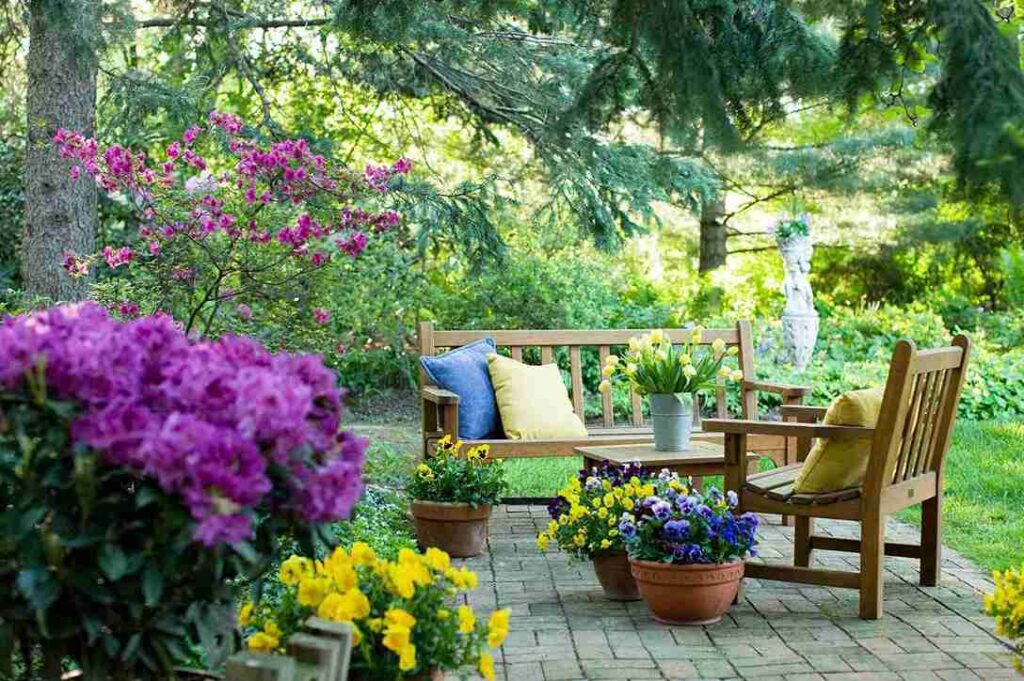
Spring is about preparation and gentle awakening. What you do now sets the tone for the entire growing season.
Early Spring Cleanup
Start by clearing winter debris like fallen leaves, broken stems, and dead plant matter. This reduces hiding places for pests and improves airflow around new growth.
Avoid over cleaning. Leave some leaf litter in garden edges to protect beneficial insects.
Soil Check and Bed Preparation
Check soil moisture before working the ground. If soil clumps and feels sticky, wait. Working wet soil causes compaction.
Once workable, loosen the top few inches and add compost. This improves structure, drainage, and nutrient availability.
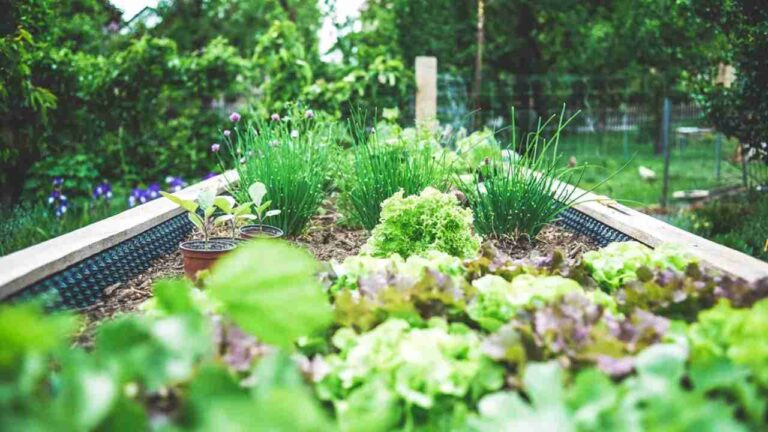
If you garden in raised beds, top them with fresh compost instead of turning deeply.
Pruning and Trimming
Early spring is ideal for pruning many trees and shrubs. Remove dead or damaged branches first, then shape lightly to improve airflow and light.
Fruit trees benefit from careful pruning now to support better harvests later.
Early Planting and Transplanting
Cool season crops like lettuce, peas, spinach, and radishes thrive in spring conditions.
Harden off seedlings slowly before transplanting. Gradual exposure to outdoor conditions reduces stress and improves survival.
Early Pest Awareness
As plants wake up, so do pests. Inspect leaves regularly, especially undersides. Early detection keeps problems manageable.
Encourage beneficial insects by avoiding broad treatments and focusing on plant health.
Summer Garden Maintenance
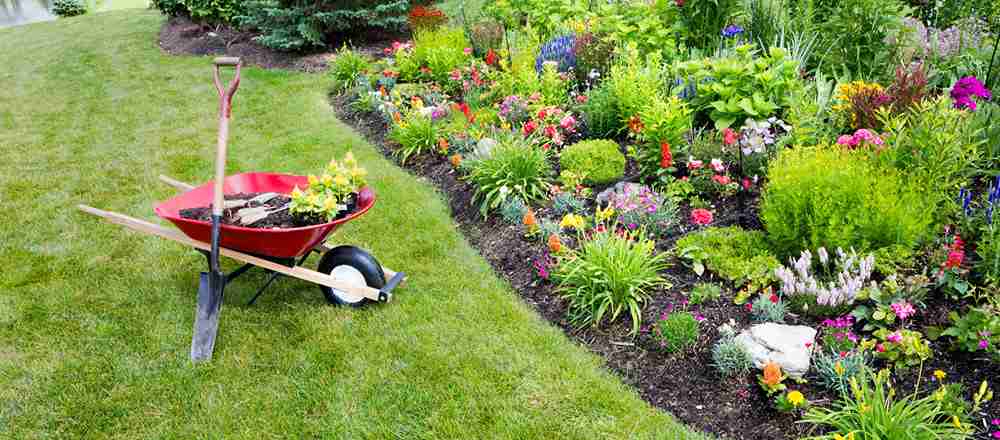
Summer care focuses on moisture management, heat protection, and observation.
Watering Wisely
Water early in the morning so moisture reaches roots before heat causes evaporation.
Deep watering less often is better than shallow watering daily. It encourages deeper root growth and stronger plants.
Drip irrigation or soaker hoses help deliver water efficiently.
Mulching for Protection
Mulch is essential in summer. A two to three inch layer helps retain moisture, cool soil, and reduce weeds.
Organic mulches like straw, shredded leaves, or compost also improve soil as they break down.
Managing Heat Stress
Some plants struggle in extreme heat. Shade cloth, temporary covers, or planting taller companions can reduce sun stress.
Watch for wilting that does not recover overnight, leaf scorch, or slowed growth. These are signs to adjust watering or protection.
Weed and Pest Control
Weeds compete for water and nutrients. Remove them while small, ideally after watering when soil is soft.
Inspect plants weekly for pests and disease. Good airflow, proper spacing, and healthy soil reduce most issues naturally.
Fall Garden Maintenance
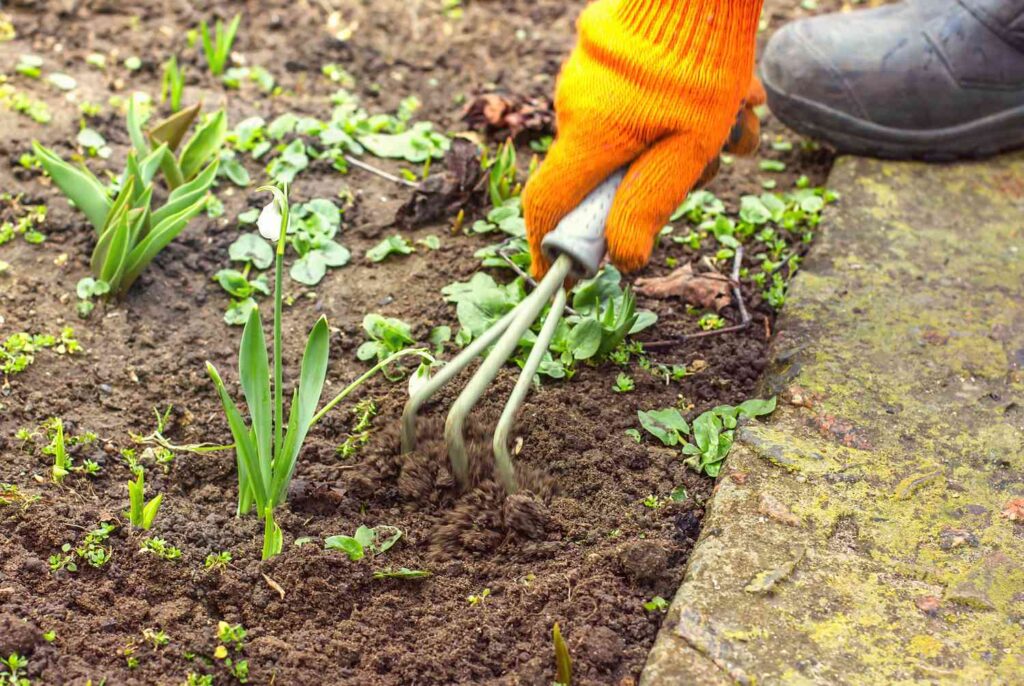
Fall is a season of harvest, repair, and preparation for rest.
Harvesting and Clearing
Harvest crops at peak maturity, often in the morning when plants are crisp.
Remove spent annuals and diseased plant material. Healthy debris can be composted, but infected plants should be removed.
Fall Planting
Cool season crops like kale, spinach, and broccoli thrive in fall conditions.
Plant spring blooming bulbs now so they can establish roots before winter.
Soil Care and Composting
Fall is an excellent time to add compost or aged manure. Nutrients will settle into the soil over winter.
Cover crops can be planted to protect soil from erosion and add organic matter.
Use fallen leaves as mulch or shred them for compost. This closes the loop in a natural way.
Ongoing Pest Monitoring
Some pests remain active into fall. Continue inspecting plants and address issues early.
Healthy, well nourished plants are less attractive to pests as the season cools.
Winter Garden Maintenance
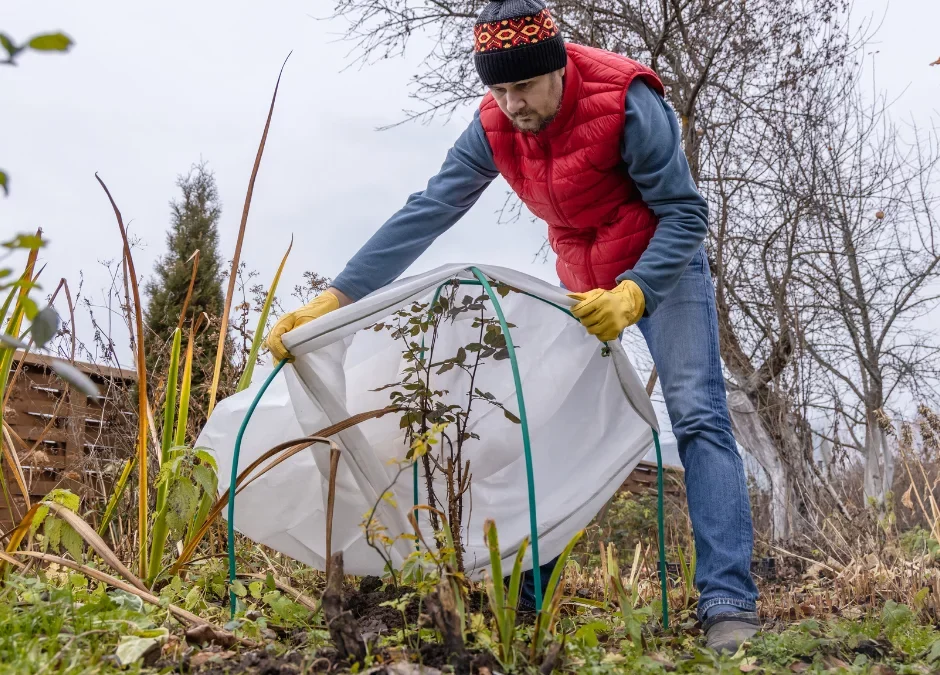
Winter is a quieter season, but it still plays an important role.
Protecting Plants from Cold
Mulch heavily around perennials to insulate roots. Straw, leaves, or bark work well.
Use frost covers or cloches for vulnerable plants during cold snaps.
Water soil before hard freezes when possible. Moist soil holds heat better than dry soil.
Indoor Plant Care
Bring sensitive plants indoors before temperatures drop.
Reduce watering frequency for indoor plants during winter. Growth slows, and roots need less moisture.
Provide adequate light and avoid cold drafts near windows.
Tool Care and Storage
Clean soil from tools and sharpen blades. This prevents rust and prepares tools for spring.
Oil metal parts lightly and store tools in a dry place.
Winter Pruning
Many trees and shrubs benefit from pruning during dormancy. Without leaves, structure is easier to see.
Remove crossing or crowded branches and improve overall form.
Planning for Spring
Review what worked and what did not. Take notes while the season is fresh in your mind.
Order seeds early, plan crop rotation, and sketch changes you want to make.
Winter planning leads to calmer, more intentional spring planting.
Seasonal Garden Planning
A balanced garden includes plants for every season.
Mix annuals, perennials, and biennials. Use succession planting to keep beds productive.
Rotate crops yearly to protect soil health and reduce pest buildup.
Gardens that follow seasonal rhythms are more resilient and less demanding.
Seasonal Garden Maintenance Checklist
Use this checklist as a reference throughout the year. You do not need to do everything at once. Focus on what fits your climate and garden style.
Spring Checklist
- Clear winter debris while leaving some leaf cover for beneficial insects
- Check soil moisture before working beds
- Add compost to garden beds
- Prune trees and shrubs before active growth
- Plant cool season crops and flowers
- Harden off seedlings before transplanting
- Begin regular pest monitoring
Summer Checklist
- Water deeply in the early morning
- Mulch garden beds to retain moisture
- Watch for heat stress and sun damage
- Remove weeds while small
- Check plants weekly for pests and disease
- Adjust watering based on rainfall and heat
- Harvest crops regularly to encourage production
Fall Checklist
- Harvest late season crops
- Remove spent annual plants
- Compost healthy plant debris
- Add compost or organic matter to soil
- Plant cool season vegetables and spring bulbs
- Mulch beds for winter protection
- Continue light pest monitoring
Winter Checklist
- Mulch perennials heavily to protect roots
- Cover vulnerable plants during frost
- Water soil before hard freezes if needed
- Bring tender plants indoors
- Clean, sharpen, and store garden tools
- Prune dormant trees and shrubs
- Plan garden layout and order seeds
Seasonal garden maintenance is not about perfection. It is about timing, observation, and consistency.
When you work with the natural rhythm of the seasons, your garden becomes healthier, more resilient, and far easier to care for over time.
At EcoGardenBloom, we believe the best gardens are grown one season at a time
Frequently Asked Questions
Why is seasonal garden maintenance important?
Plants, soil, and pests respond differently throughout the year. Seasonal maintenance helps you support growth when conditions are favorable and protect plants during stress periods like heat or cold.
Do I need to do something in my garden every season?
Yes, but not everything every season. Some seasons focus on growth and care, while others are about protection, cleanup, and planning. Each season plays a role in long term garden health.
Can I skip garden maintenance in winter?
Winter maintenance is lighter, but still important. Protecting plants, caring for tools, and planning ahead all make spring much easier and more successful.
How do I know what tasks to prioritize each season?
Pay attention to temperature, rainfall, and plant behavior. Seasonal checklists help, but your garden will always give signals through growth, stress, or dormancy.
Is seasonal maintenance different for raised beds and in ground gardens?
The core tasks are similar, but raised beds often dry out faster and may need more frequent watering and soil replenishment. In ground gardens usually need more attention to drainage and compaction.
What is the most important seasonal task overall?
Soil care. Healthy soil supports plants in every season and reduces the need for intervention later.
Bottom Line
Seasonal garden maintenance is not about doing everything at once. It is about showing up at the right time and responding to what the garden needs.
When soil is cared for, plants grow stronger. When stress is reduced early, problems stay small. Over time, the garden becomes easier to manage and more rewarding.
At EcoGardenBloom, we believe the best gardens grow from patience, observation, and respect for natural cycles.