25+ Smart Garden Edging Ideas That Make Any Yard Look Polished
Girl, I am so excited to talk about this because my backyard was looking a little “wild” (and not in the cute way) until I finally got some borders down. Finding the right Garden Edging Ideas is honestly the secret sauce to making a yard look like a professional actually touched it.
If you’ve been scrolling through Pinterest wondering how to make your flower beds look crisp and intentional, you’re in the right spot. We’re looking at ways to keep that mulch where it belongs and give your plants the frame they deserve.
You’re going to walk away with a ton of inspiration that doesn’t require a degree in landscaping or a massive budget.
My Seasonal Shift to Sharp Lines
Every time the seasons start to turn and I see those first little buds peeking through the soil, I get this sudden burst of “I need to fix everything” energy. Last spring, I remember looking out my back window with my coffee and realizing my grass was basically eating my peonies. It felt messy, and honestly, a little overwhelming.
I’ve always loved the look of a lived-in garden, but there’s a fine line between “enchanted forest” and “abandoned lot.” I finally realized that easy, practical edging is what gives me that peace of mind. I’m a big fan of things I can do myself over a weekend with a playlist and a sun hat. It makes the whole space feel like a sanctuary rather than a chore.
I’ve tried a few different styles over the years, and I’ve learned that the best ones are the ones that reflect your own personality. Here are the ones I’m currently obsessing over.
My Favorite Ways to Frame Your Greenery
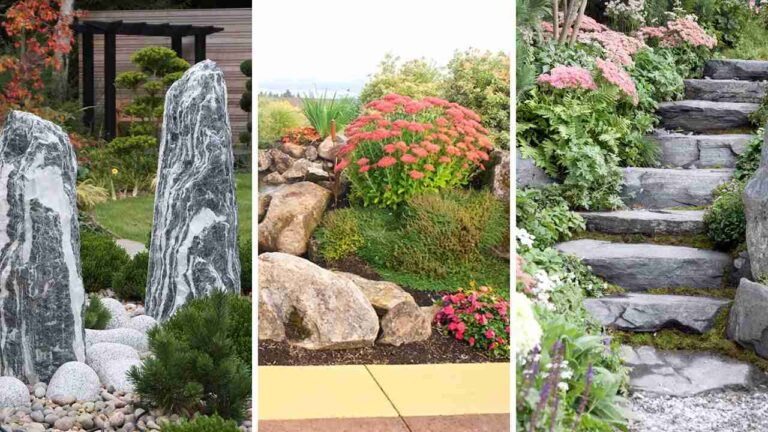
Natural Stone Borders
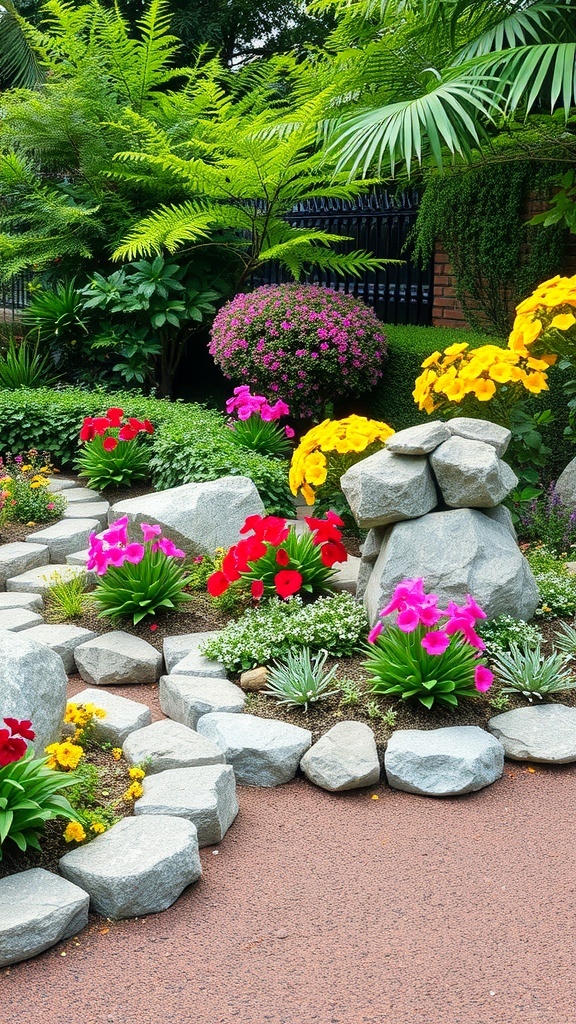
Have you ever noticed how a few chunky stones can make a garden feel like it’s been there for a hundred years? I love how these look because no two stones are exactly the same. It feels so grounded and connected to the earth, you know?
Mixing those earthy greys and tans with super bright flowers like reds or yellows is a total mood. It’s rugged but soft at the same time. Plus, they’re heavy enough that they aren’t going anywhere when the wind picks up.
I’m a big fan of the “perfectly imperfect” vibe here. You don’t need a level or a ruler. Just tuck them in where they feel right, and they’ll naturally help keep your soil from washing away during those heavy spring rains.
Cinder Block Edging
I didn’t expect to love this so much, but cinder blocks are lowkey a genius move. There’s something so cool about the industrial grey against the soft, fleshy leaves of succulents. It’s very modern-desert-chic.
The best part is that those little holes in the blocks? They’re basically mini planters! You can tuck tiny hens-and-chicks or little creeping herbs right into the edging itself. It’s like a border and a garden all in one.
If the raw concrete feels a bit too “construction site” for you, you can always grab a pot of outdoor paint and give them a terracotta or sage green finish. It’s such a budget-friendly way to get a high-end, structured look.
Brick Pathway Edging
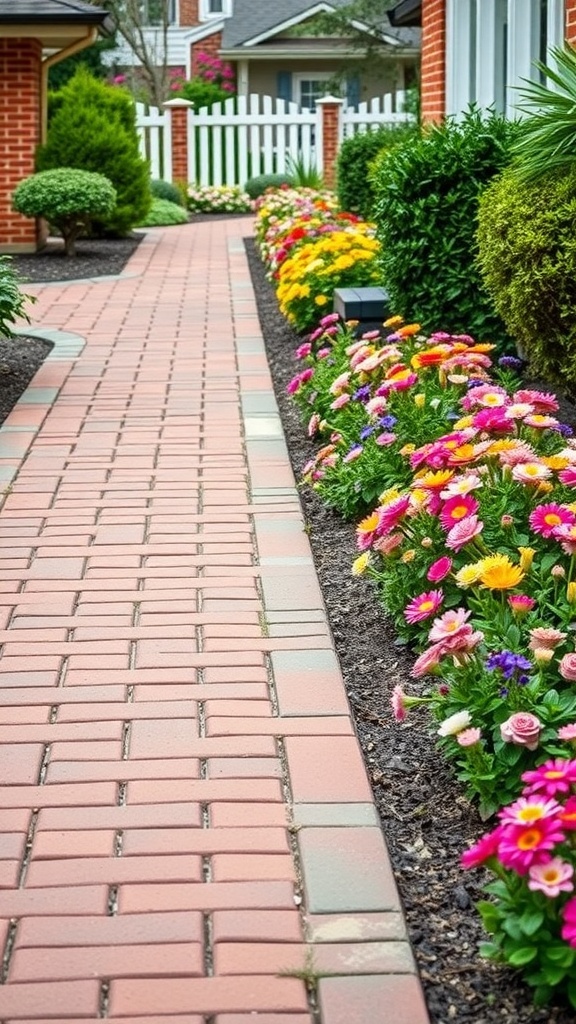
Is there anything more classic than a brick path? It reminds me of those old cottage gardens that always feel so warm and inviting. The deep red tones just make all the green foliage pop like crazy.
I’ve found that using bricks is so satisfying because they’re so easy to handle. You can lay them flat, or if you want a bit more “teeth” to your edge, you can set them in at an angle for a jagged, decorative look.
They’re tough as nails, too. You don’t have to worry about the weed whacker chipping them, and they just get better looking as they age and grow a little moss. It’s a total “set it and forget it” project.
Bamboo Fence Edging
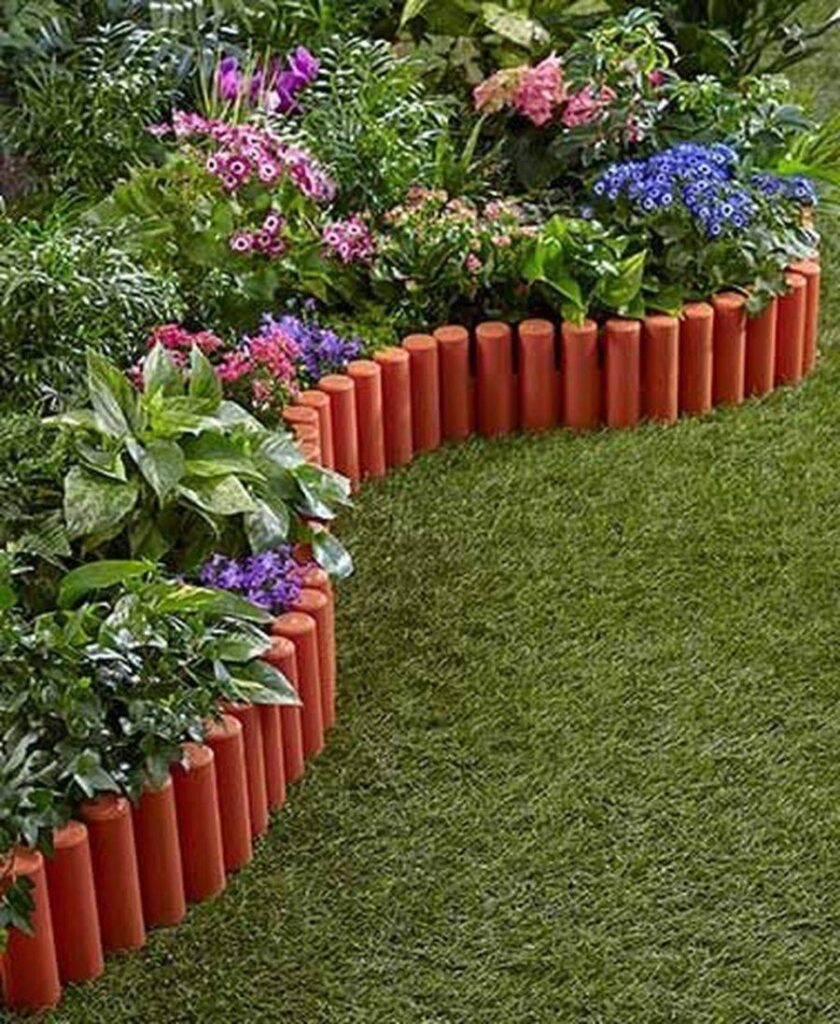
If you’re going for a tranquil, zen-den vibe, bamboo is your best friend. I love how it looks near water—like around a little pond or a fountain. It has this light, airy feeling that makes the whole yard feel more like a spa.
It’s a super eco-friendly choice because bamboo grows so fast, which makes my heart happy. It’s also incredibly easy to install since it usually comes in rolls that you can just stake into the ground.
I’d pair this with some ornamental grasses and maybe some smooth river stones. It creates such a peaceful boundary that doesn’t feel “hard” like stone or metal might. It’s just very soft and intentional.
Recycled Tire Borders
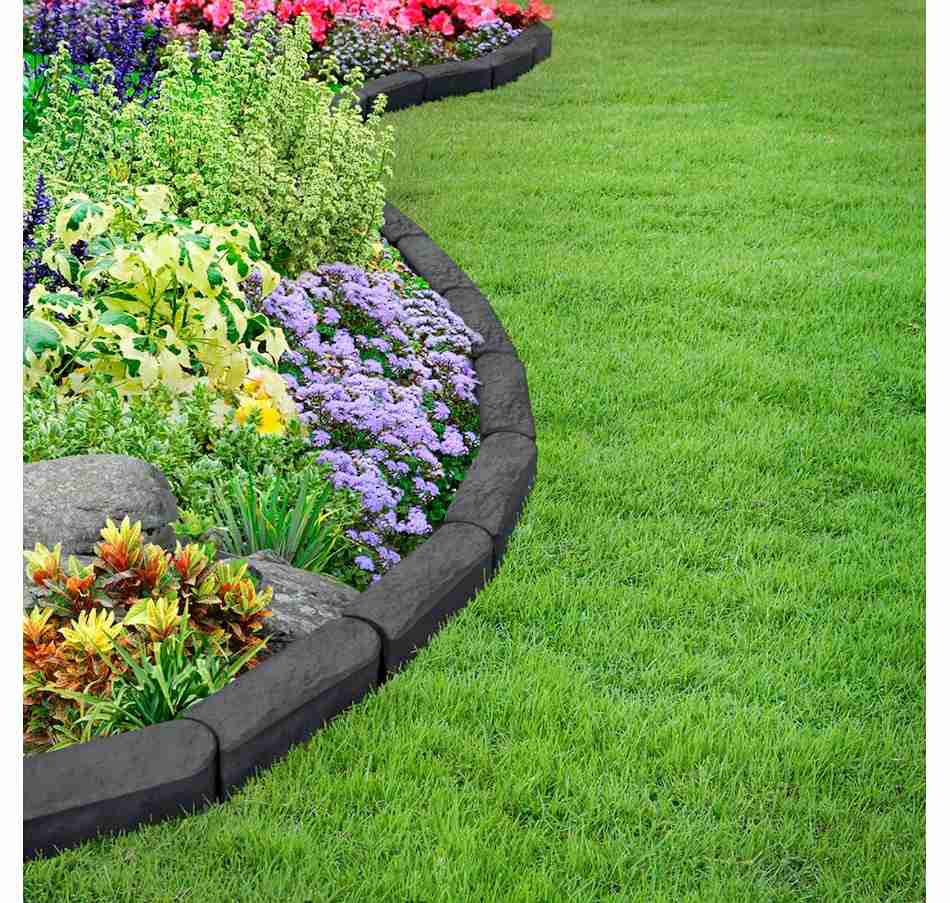
Okay, how fun are these? If you have kids or just love a big splash of personality, painting old tires is such a vibe. It’s a great way to keep stuff out of the landfill while making your garden look like a piece of art.
You can go wild with the colors—think bright teals, sunny yellows, or hot pinks. They create these perfect little circular islands for your favorite blooms. It’s definitely a conversation starter when people come over for a BBQ.
They’re also surprisingly good at holding in moisture for the plants inside them. I think they’d be adorable in a dedicated veggie patch or a “cutting garden” where you grow flowers specifically for bouquets.
Concrete Landscape Edging
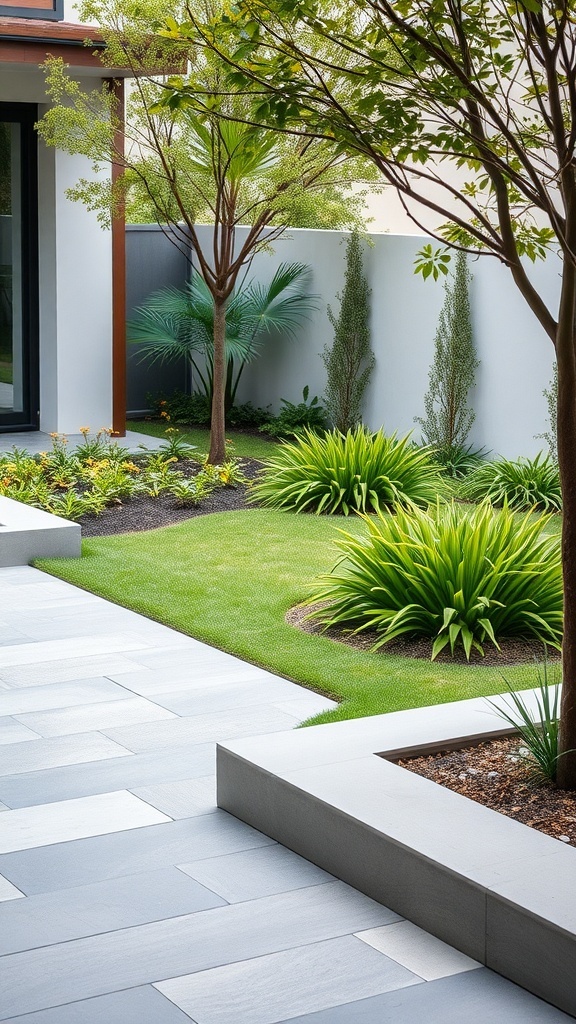
When you want that super clean, architectural look, concrete is the way to go. It’s so sleek! It creates a very clear “stop and start” line between your lawn and your garden beds which makes mowing a total breeze.
I love how the smooth, grey surface looks against a sea of deep green hostas or ferns. It feels very high-end and sophisticated. It’s the kind of edging that makes your house look like it should be on the cover of a magazine.
It’s practically indestructible, so once it’s in, you’re set for years. If you’re a fan of that “minimalist” aesthetic, this is definitely the one you should look into. It’s all about those sharp, clean lines.
Metal Garden Edging
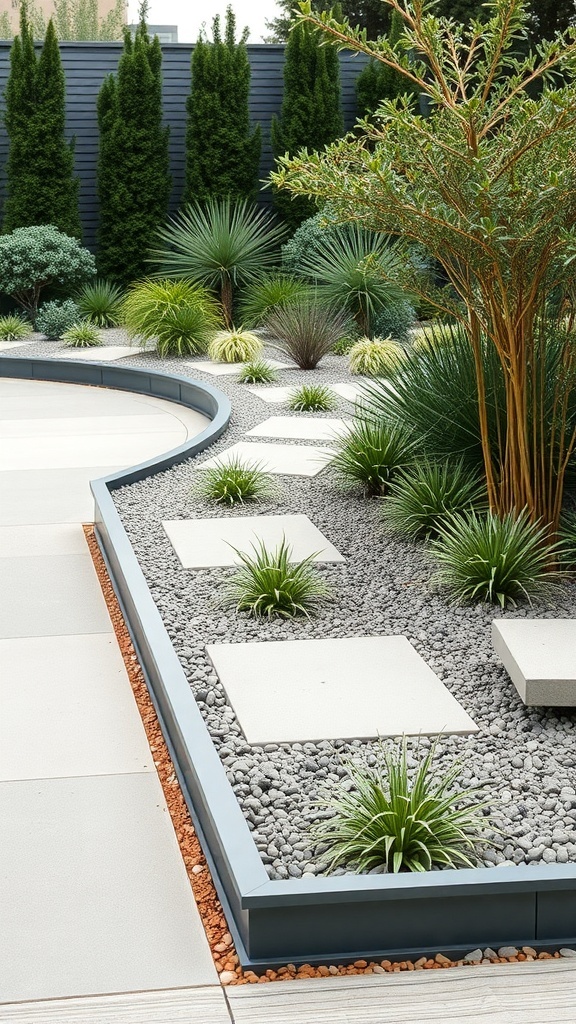
I’m obsessed with how metal edging can bend into these beautiful, graceful curves. If your garden has a lot of “flow,” this is the perfect way to highlight those shapes without a bulky border getting in the way.
It’s almost invisible from a distance, which I love because it lets the plants be the stars of the show. You get all the organization of an edge without the visual weight of stone or wood. It’s very “quiet luxury” for your backyard.
You can get it in steel that’s meant to rust into a beautiful orange-brown patina, or kept clean and black. Either way, it’s a super durable choice that handles the elements like a champ.
Wooden Plank Edging
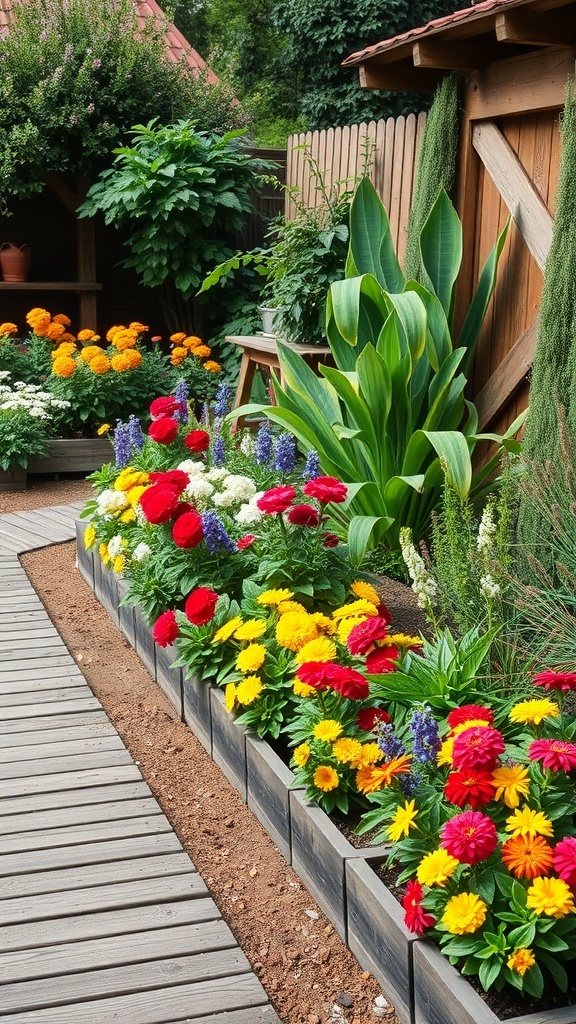
Don’t you just love the warmth of wood? Using simple planks is such a straightforward way to frame your flowers. It feels very “homestead” and cozy, like a place where you’d want to sit and read a book all afternoon.
This is probably one of the easiest DIYs. You can just grab some pressure-treated lumber and you’re good to go. I think it looks especially pretty when you have a path of mulch or gravel running right alongside it.
If you want to get creative, you can stain the wood to match your deck or fence. It ties the whole backyard together so effortlessly. It’s a very grounded, classic look that never goes out of style.
Slate Tile Borders
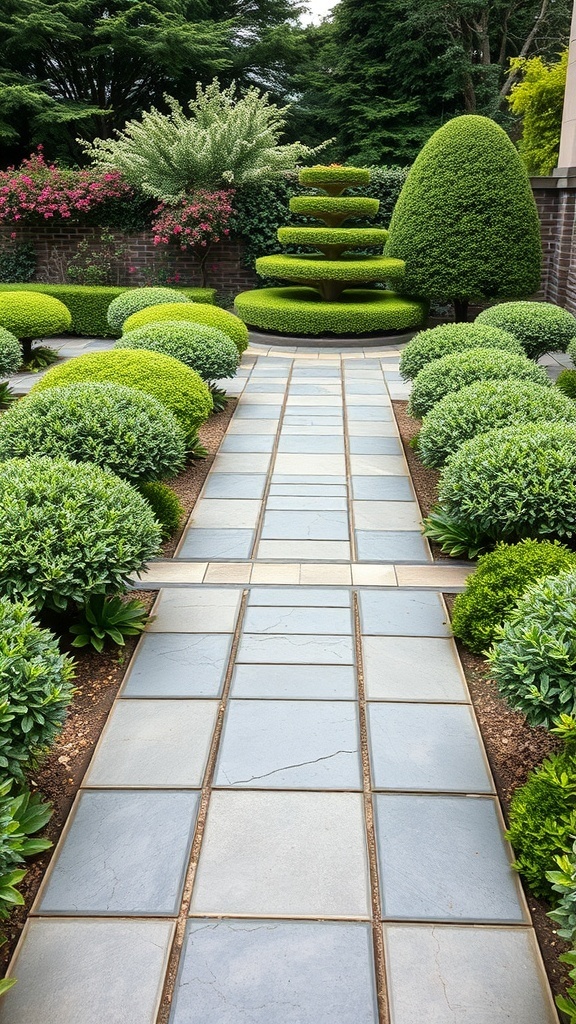
Slate has this naturally elegant, dark look that feels very sophisticated. When it rains, the colors get even deeper and richer, which is so pretty to watch from the porch. It’s definitely a step up from basic stepping stones.
Using them as a border gives your garden a very “manicured” feel. It’s perfect if you like your bushes trimmed neat and your flowers in perfect rows. It just feels very intentional and high-quality.
The texture of slate is so cool, too. It’s layered and a bit flaky, which adds a nice organic touch even though the lines are very straight. I’d definitely use this for a front yard where you want to boost that curb appeal.
Glass Bottle Borders
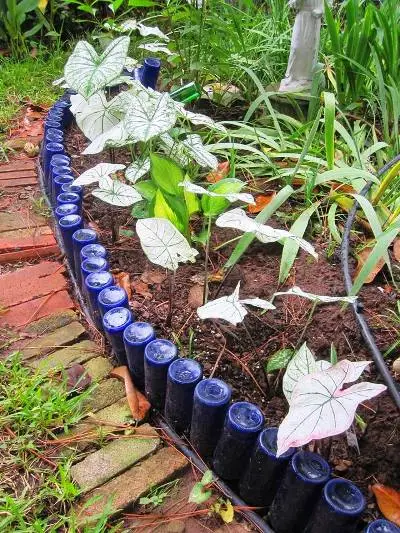
Have you ever seen those “bottle trees”? This is like the ground-level version of that! It’s such a quirky, artistic way to reuse old wine or soda bottles. When the sun hits them, the whole edge of the garden just glows.
It’s a bit of a project to collect enough, but you could totally ask your friends to save their pretty blue or green bottles for you. It turns your garden into a little bit of a mosaic. It’s just so playful and unique.
I love the idea of using all one color—like all green—for a more cohesive look, or mixing them up for a boho, rainbow vibe. It’s your garden, so why not make it a little magical?
Wrought Iron Edging
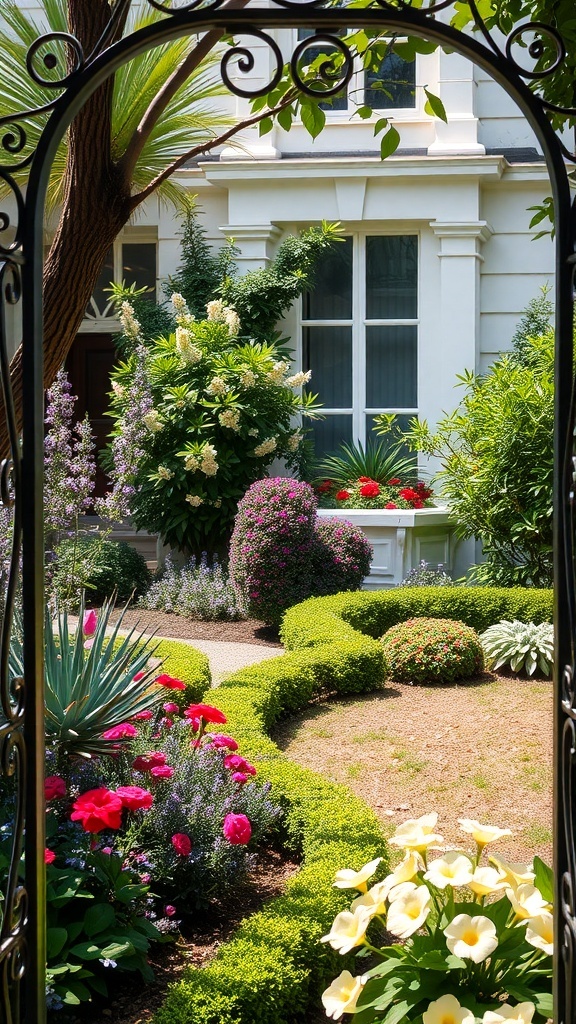
If you’re a fan of that classic “English Rose Garden” look, wrought iron is calling your name. It’s so elegant with all those swirls and points. It really frames the flowers like they’re a work of art in a gallery.
What I love about it is that it’s usually high enough to discourage little pups or critters from wandering right into your flower beds. It’s a gentle “please don’t step here” that still looks absolutely stunning.
It’s super easy to install, too—most of them just push right into the soil. It adds a bit of height and drama to the edge of the bed which I think is so chic. It’s a total classic for a reason.
Living Plant Edging
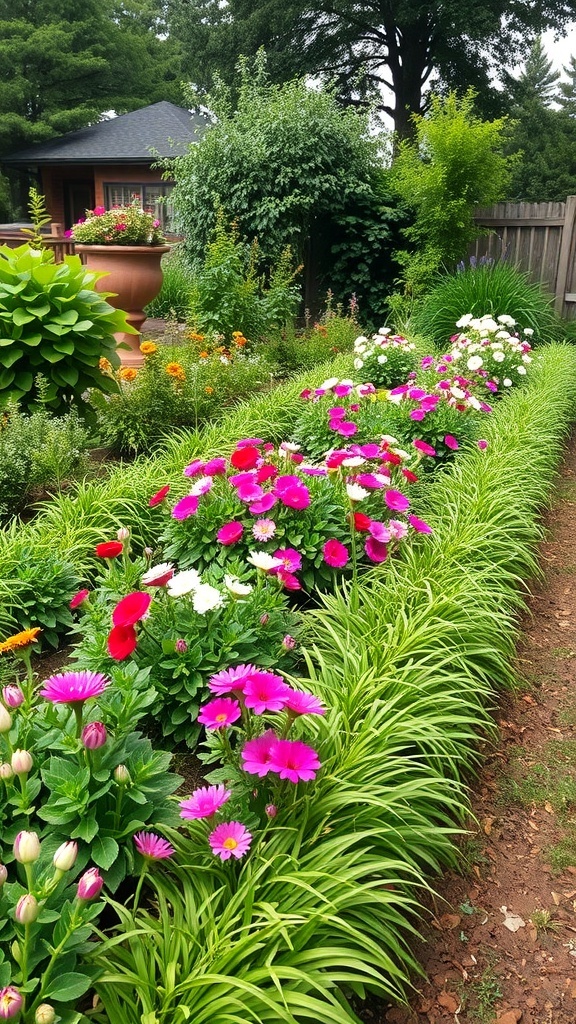
Why use stone when you can use more plants? I love the “soft edge” look you get from low-growing flowers or herbs. It makes the transition from the lawn to the garden feel so seamless and natural.
You can use things like creeping thyme, marigolds, or even little boxwood shrubs. It’s so pretty when the “edge” itself starts to bloom! Plus, it’s a great way to pack even more color into your space.
I find this so relaxing to look at. It’s like the garden is just gently spilling over its boundaries. It’s perfect for a more cottage-core or wild-looking backyard where you want everything to feel lush and full.
Wooden Log Edging
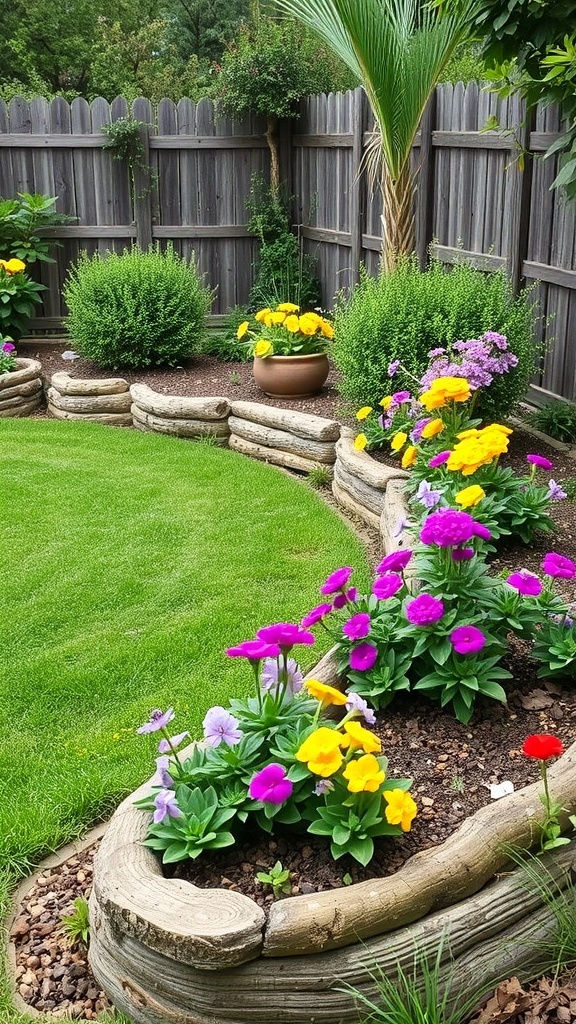
There’s something so comforting about the look of cut logs. It reminds me of being out in the woods. It’s a very rustic, sturdy way to define your space, and it looks so good against bright green grass.
You can vary the heights of the logs to give it a little more visual interest, or keep them all the same for a cleaner look. It’s a great way to use up old wood if you’ve had a tree taken down recently.
I think this style is so charming for a backyard play area or a path leading to a fire pit. It just feels very “outdoorsy” and unpretentious. It’s a great way to add some natural texture to your yard.
Pebble and Gravel Edging
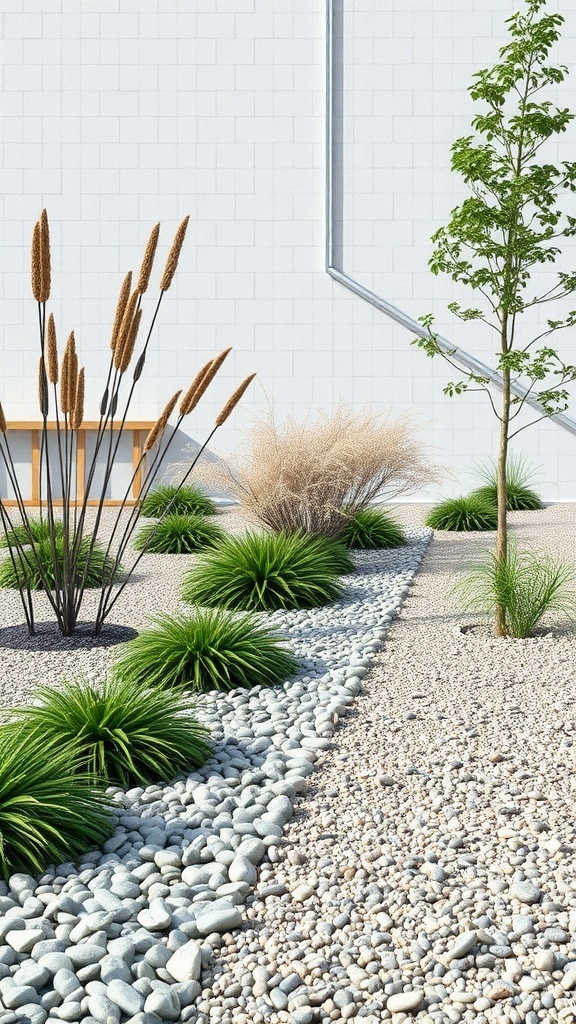
Don’t you just love the sound of walking on gravel? Using a mix of pebbles and gravel for edging is so smart because it looks great and helps with drainage. It’s very modern and clean.
I love how the different sizes of stones create a nice visual crunch. It’s a great way to fill in those awkward gaps between your plants and the grass. It makes everything look so finished and tidy.
It’s also really low maintenance. You don’t have to worry about rot or rust—you might just need to rake it back into place every now and then. It’s a very “chill” way to keep your garden looking sharp.
Terracotta Pot Edging
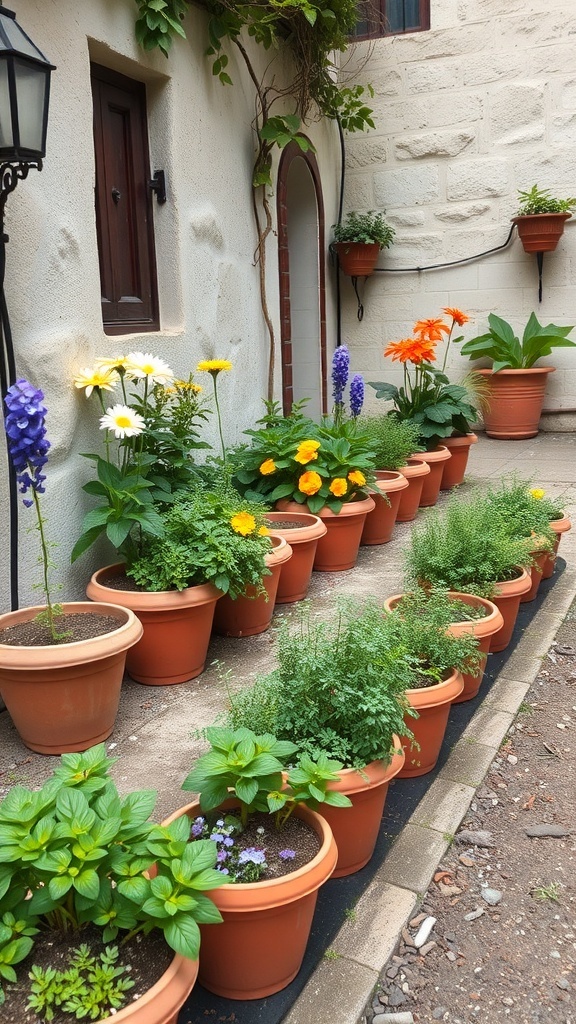
I am lowkey obsessed with this idea! Lining up terracotta pots is such a warm, Mediterranean-inspired way to edge a path. It’s like a little parade of flowers leading you through the garden.
The best part is that you can swap out the plants in the pots whenever you want. You could do pansies in the spring, petunias in the summer, and mums in the fall. It keeps your garden’s look fresh all year round.
I’d use pots of different sizes to create some depth, or keep them all the same for a very orderly feel. It’s such a clever way to add more planting space while also creating a clear boundary. It’s just so inviting!
Frequently Asked Questions About Garden Edging
What Is The Most Affordable Way To Edge A Garden?
If you’re looking to save some cash, using recycled materials like old bricks, gathered river stones, or even upcycled glass bottles is definitely the way to go.
Another super budget-friendly trick is the “mrench edge,” where you simply dig a clean, shallow V-shaped trench between your grass and the garden bed—it costs zero dollars and looks incredibly professional.
How Do I Keep Grass From Growing Into My Flower Beds?
The secret is to make sure your edging goes at least two to three inches below the soil surface to block those sneaky grass roots from crawling underneath.
Materials like metal or plastic bender board are amazing for this because they create a solid physical wall that grass just can’t get through, keeping your beds looking crisp and tidy.
Does Garden Edging Require A Lot Of Maintenance?
Most of the ideas we talked about are “set it and forget it,” but it really depends on the material you choose.
Stone and metal are basically indestructible and need almost zero work, while wooden edging might need a fresh coat of sealant every couple of years to prevent rot, and living edges will obviously need a little trim now and then to stay in their lane.
I really hope these garden edging ideas gave you that spark of inspiration you needed to get outside and play in the dirt! Whether you go for something sleek and modern or rustic and reclaimed, adding a border is the quickest way to make your outdoor space feel like a true sanctuary.
Love these ideas? Don’t forget to pin this post to your favorite Gardening Board on Pinterest so you can find it later when you’re ready to start digging!