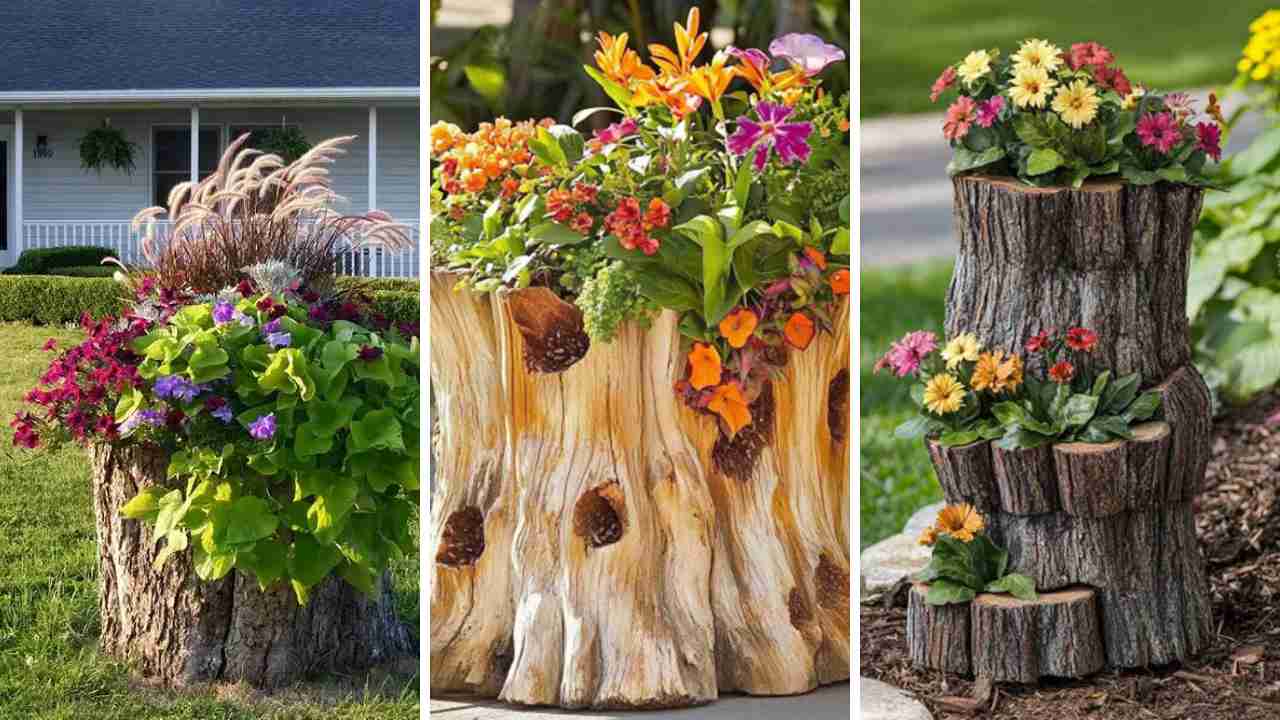
33 Creative Tree Stump Planter Ideas for Your Garden
If you’ve got a stubborn stump sitting in your yard like an awkward little reminder, same. Tree stump planters are such a cute way to turn that “ugh” spot into something you actually want to look at.
You’re here for tree stump planter ideas that are easy, pretty, and won’t turn into a soggy mess, and I’ve got you. We’re talking drainage, soil, plant picks, and a few ways to make it look like it was always meant to be there.
Why I Love Tree Stump Planters Right Now
There’s something about this time of year where I get itchy to refresh the garden without starting a whole backyard renovation. Like, I want the cozy vibe and the color, but I also want it to be doable after work, you know?
Tree stumps used to bug me because they feel unfinished. But turning one into a planter flips the whole mood. Suddenly it’s rustic and intentional, like a little nature moment that’s working with you instead of against you.
And honestly, I’m always chasing low-effort wins. If I can grab a drill, toss in soil, and make a stump look cute with flowers, I’m in.
Ok, let’s get into the fun part, because these can look so good with just a few simple tweaks.
Tree Stump Planter Ideas You Can Actually Pull Off
Creating Drainage Holes in the Stump
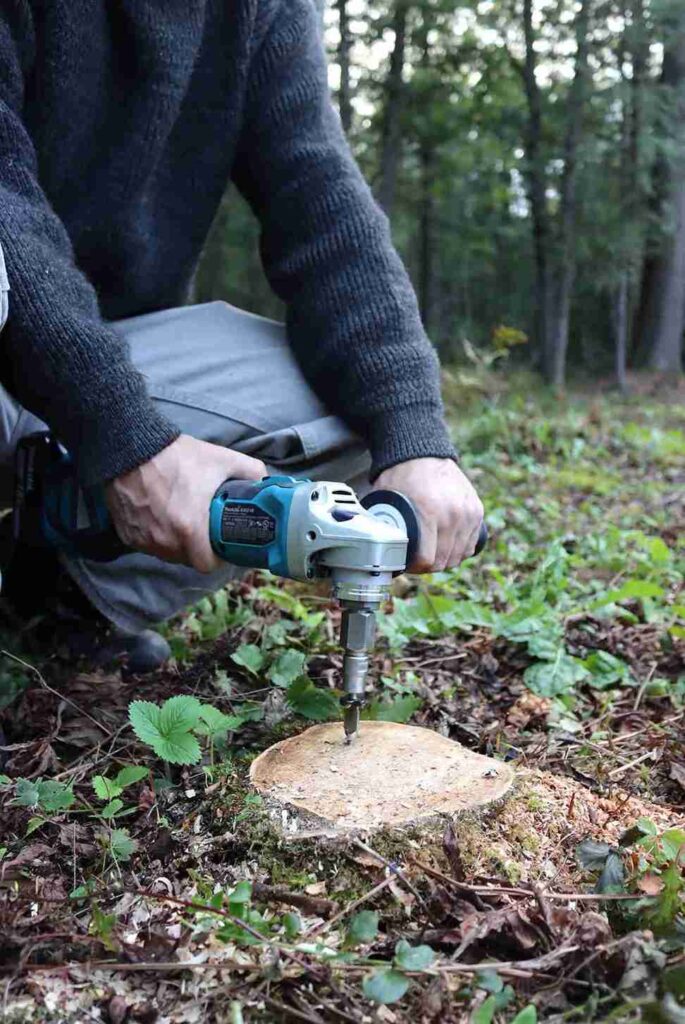
This is the unglamorous step that makes everything else work. If you skip drainage, your stump turns into a little swamp bowl and your plants start acting dramatic.
I like to drill a handful of holes across the bottom of the hollowed space, not just one in the middle. Think evenly spaced, like you’re giving water multiple escape routes.
After you drill, poke around and clear out the wood bits so the holes actually drain. It takes two extra minutes and saves you from sad, mushy roots later.
Incorporating Decorative Elements

This is where you get to make it feel like your garden has personality. I love mixing natural texture with a couple little sparkly touches, especially if the stump sits near a path or patio.
Try tucking pebbles or small stones around the plants for that “collected over time” look, plus it helps keep splashed soil from going everywhere.
And those little lights? So cute at night. Even a few battery fairy lights wrapped nearby makes the whole corner feel warm and lived-in.
If you’re into tiny details, add a small figurine or a couple special stones. Not too much, just enough to make you smile when you walk past.
Designing a Layered Planting Scheme
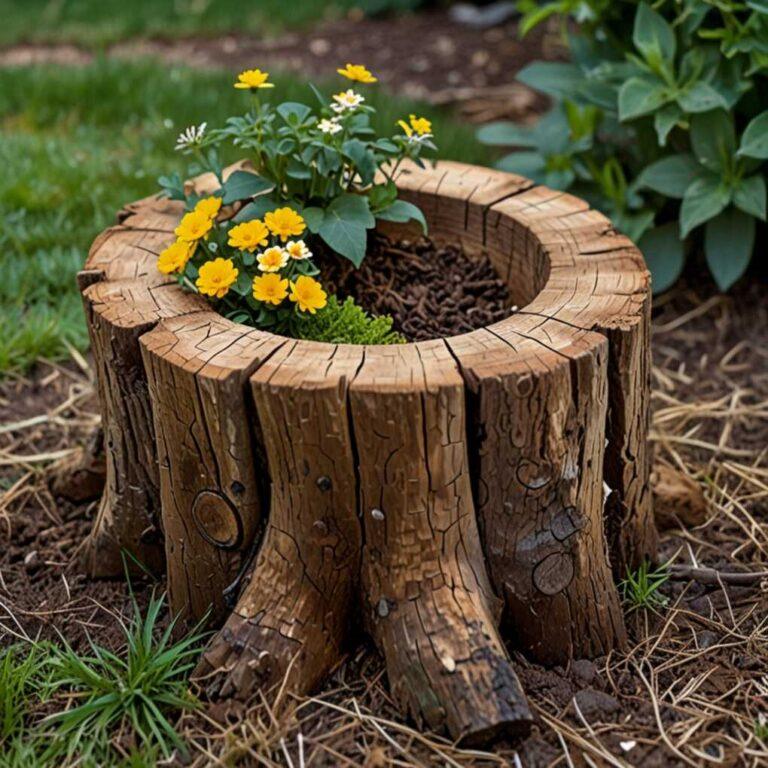
If you want your stump planter to look “full” fast, layering is the cheat code. Mix a taller plant in the middle, some medium leafy ones around it, and then something that drapes over the edge.
I’m obsessed with the contrast in this kind of setup. Bright chartreuse next to deep green looks so fresh, and it makes the stump feel like a little mini garden bed.
For extra charm, toss in a couple seasonal flowers. Even a few blooms makes it feel intentional, not like you just shoved plants in a hole and hoped for the best.
Just keep an eye on moisture, since layered plantings can hide dry spots. A quick finger-check in the soil every couple days keeps everything happy.
Selecting Suitable Plants for Stump Planters
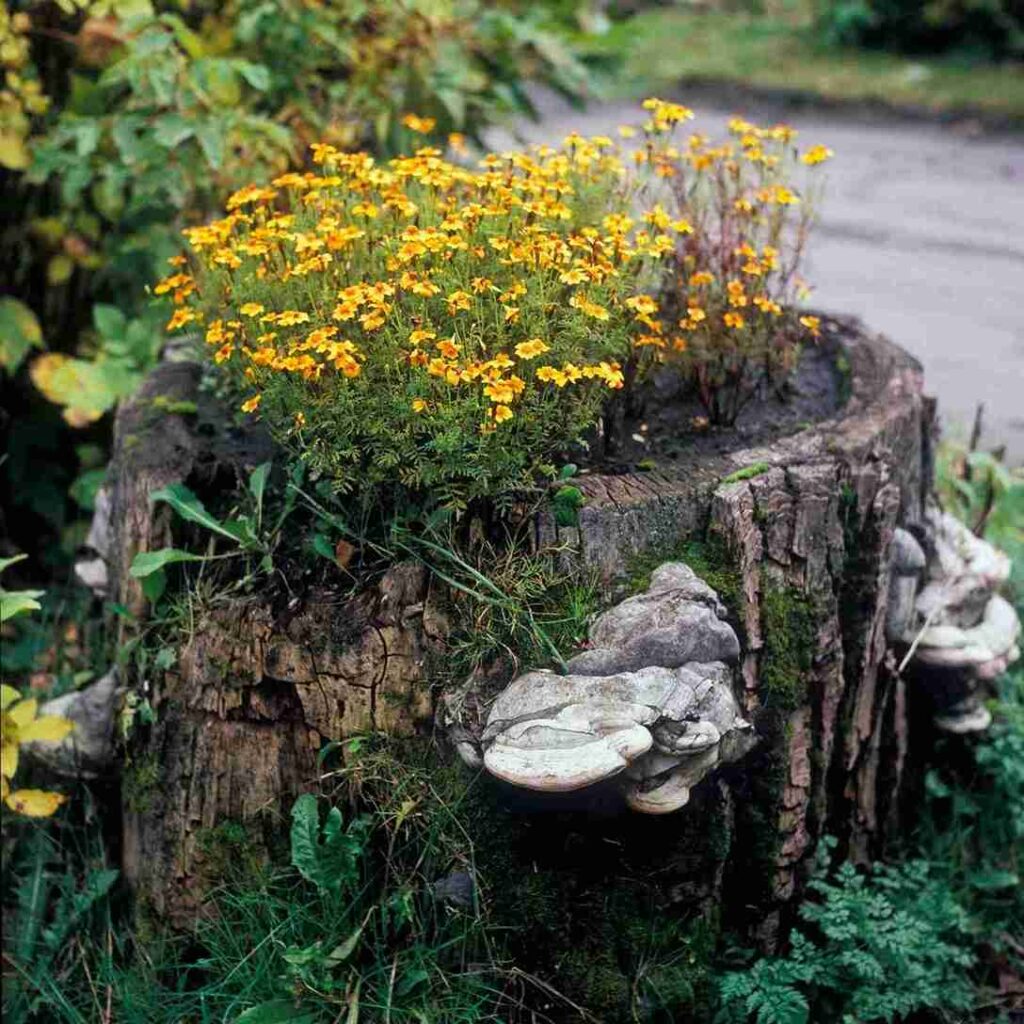
Plant choice makes or breaks a tree stump planter, and it mostly comes down to sun and space. If your stump gets blasted with sunlight, go for flowers that love it, like bright daisies, petunias, or anything that looks happy in heat.
If the spot is shadier, lean into foliage plants and shade-friendly blooms. That way you’re not fighting the yard every week trying to keep something alive that just does not want to live there.
Also, think about scale. Small stump, small plants. Bigger stump, you can do a mix and make it look like a whole little arrangement.
And please treat the soil like the main character. Even the prettiest flowers won’t thrive in compacted dirt, so give them that rich, fluffy mix.
Soil Mixture for Optimal Growth
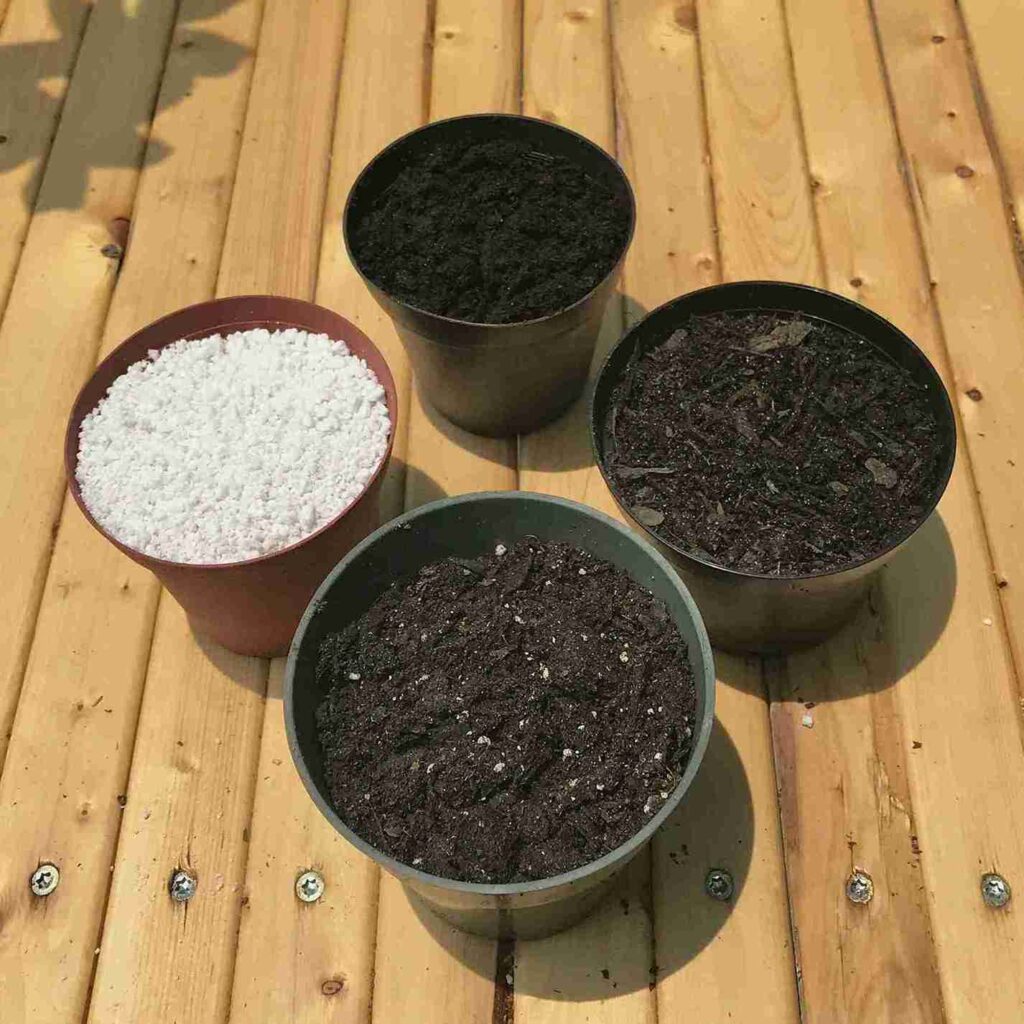
This part feels boring until you realize good soil makes everything look better. I start with potting soil as the base, then mix in compost because I want my plants to actually grow, not just survive.
Then I add perlite or vermiculite for drainage. Tree stumps weirdly hold moisture, so that extra airflow keeps roots from sitting in soggy soil.
If you want low-maintenance, toss in a slow-release fertilizer. That way, you’re not out there every week trying to “fix” what was really just hungry soil.
When the soil looks dark, fluffy, and easy to dig into, you’re in a good place.
Preparing the Stump for Planting
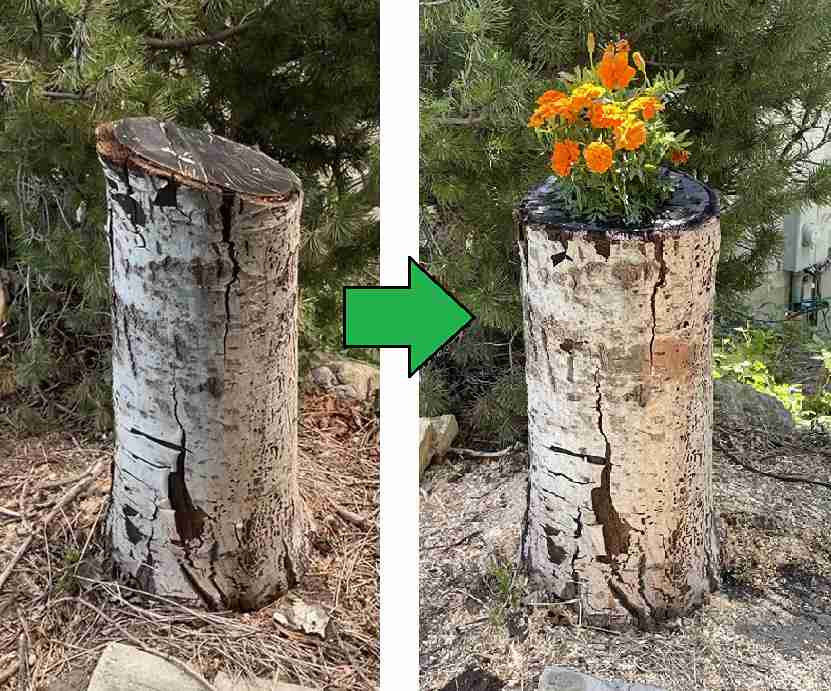
This is the hands-on part that makes you feel like a backyard witch, in the best way. You want to hollow out the top enough that roots have space, but not so much that the stump starts falling apart.
First, peel off loose bark and debris so you’re not trapping pests in there. Then carve out the center with a chisel or whatever tool you’ve got that feels sturdy.
If the inside wood is super mushy and rotten, that stump might not last long as a planter. But if it’s mostly solid, you’re good. You can always line the inside with a little landscape fabric to help contain the soil.
Finish with a thin layer of gravel at the bottom, then soil, then plants. It’s surprisingly satisfying.
Maintaining Moisture Levels in the Stump
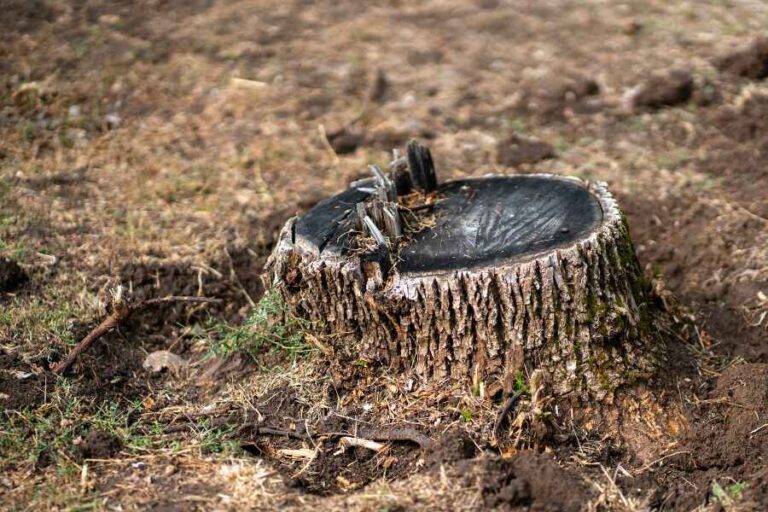
Tree stump planters can dry out faster than you’d expect, especially in summer. The wood pulls moisture, and the soil pocket is usually smaller than a normal bed.
I do the finger test. Stick your finger in about an inch, and if it’s dry, water it. If it’s damp, leave it alone. Overwatering is how you get fungus gnats and sad plants.
Mulch helps a ton. Even a thin layer on top keeps moisture in and makes the planter look finished.
If you’re planting succulents, go lighter on watering and make sure drainage is on point. They hate wet feet.
Choosing the Right Tree Stump
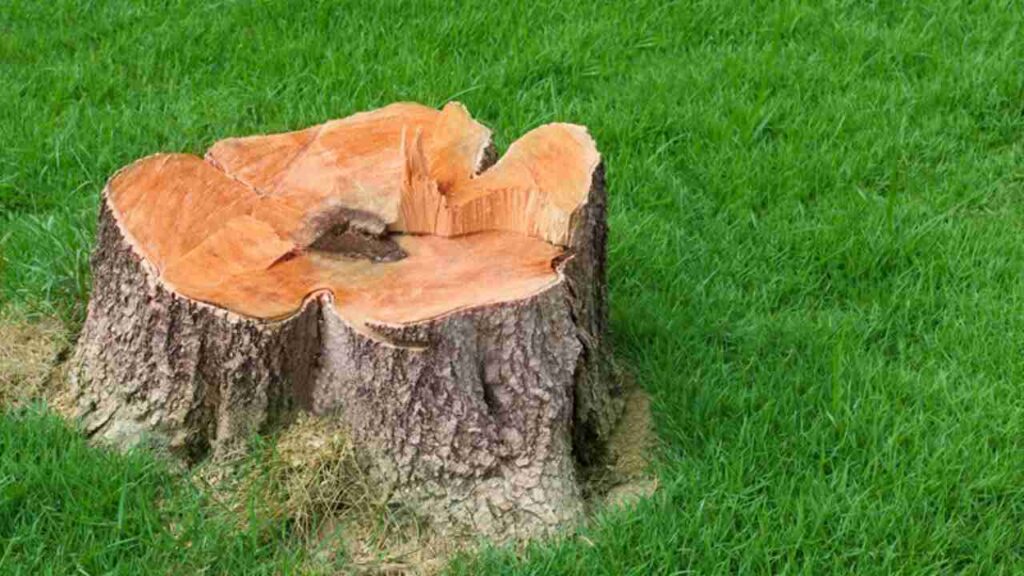
If you’re picking between a few stumps, go for the one that feels solid when you tap it. Soft, crumbly wood looks cute for a second, then it collapses when you least need that kind of chaos.
Bigger stumps give you more soil space, which means more plant options and less babysitting. Smaller ones are adorable too, but keep the plants small and the expectations realistic.
I also think about shape. A gnarly stump with texture can be so pretty, especially if you plant something trailing to soften the edges.
And location matters. If it’s tucked in deep shade, don’t plan on sun-loving blooms unless you enjoy disappointment.
Dealing with Pest Issues in Stump Planters
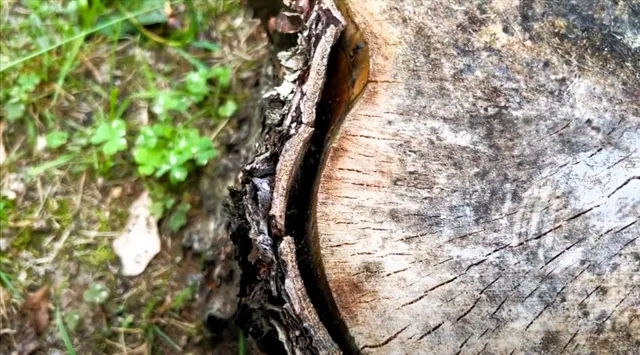
Ok, real talk. Tree stump planters can become a hangout spot for ants and other little freeloaders, especially if the wood stays wet.
Keep the stump on the drier side and make sure drainage is working. Wet wood is basically an invitation.
If you see crawling pests, diatomaceous earth around the base is a lifesaver. It’s one of those “set it and forget it” things that actually helps.
And just check your plants when you water. Catching pests early is way easier than trying to fix an infestation when everything is already stressed.
Creative Stump Planter Arrangements
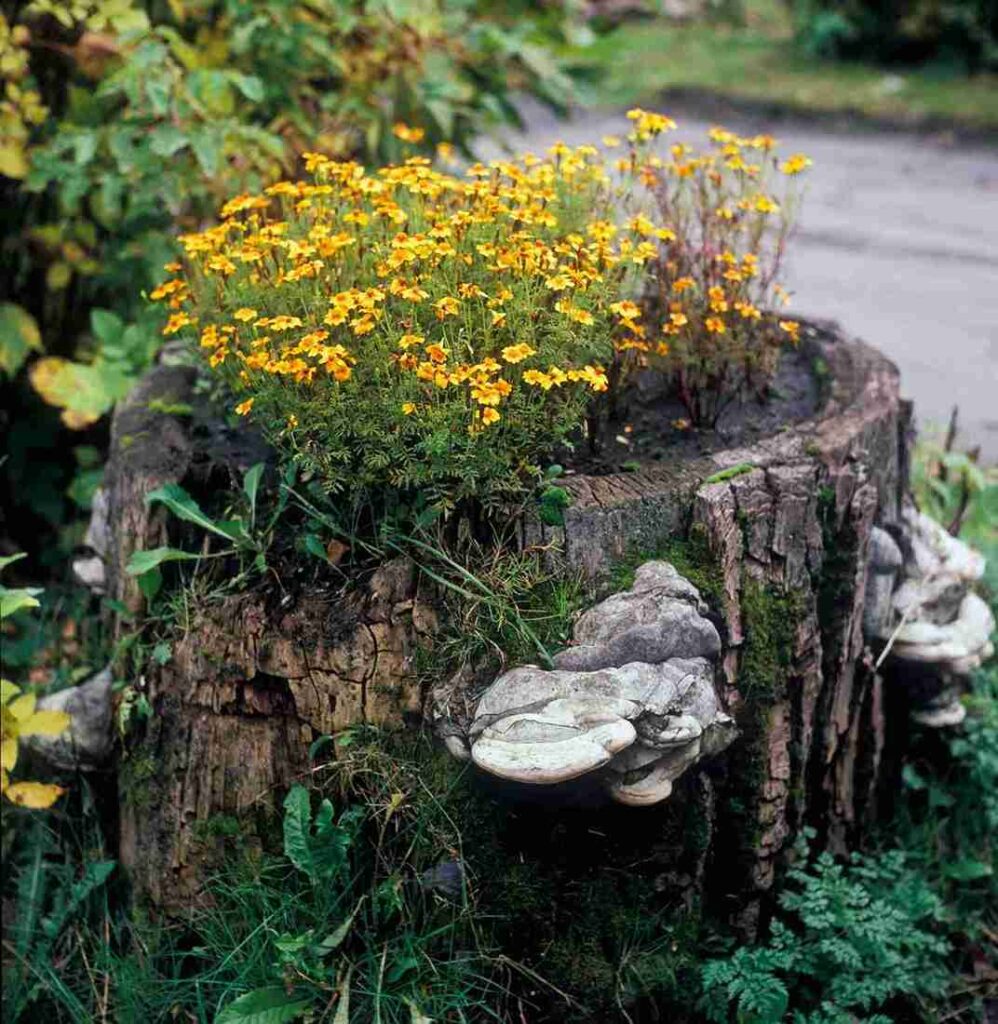
This kind of setup makes me want to wander around with a coffee and stare at everything like it’s a little outdoor gallery. Mixing stump sizes is such an easy way to make the space feel layered and collected.
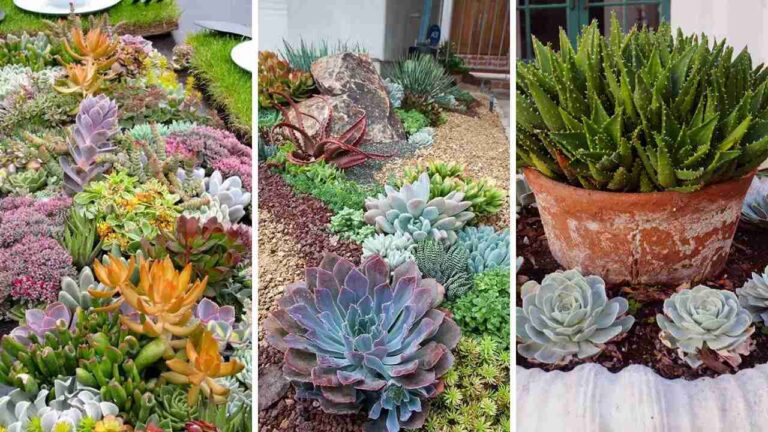
Try grouping three stumps together, like a little cluster, then plant each one differently. One with flowers, one with leafy greens, one with succulents. It keeps the whole thing from looking too matchy.
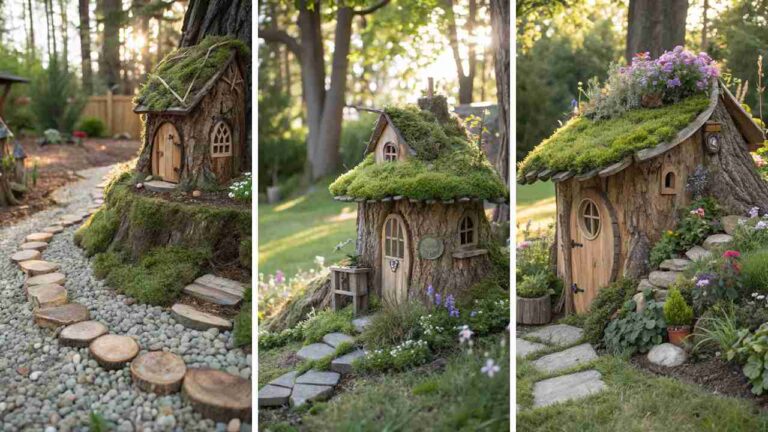
I also love placing stump planters along a walkway, so they feel like natural markers leading you through the yard.
If you’ve got garden art or quirky pieces, this is the moment. A stump planter next to something whimsical just works.
Seasonal Care for Stump Planters
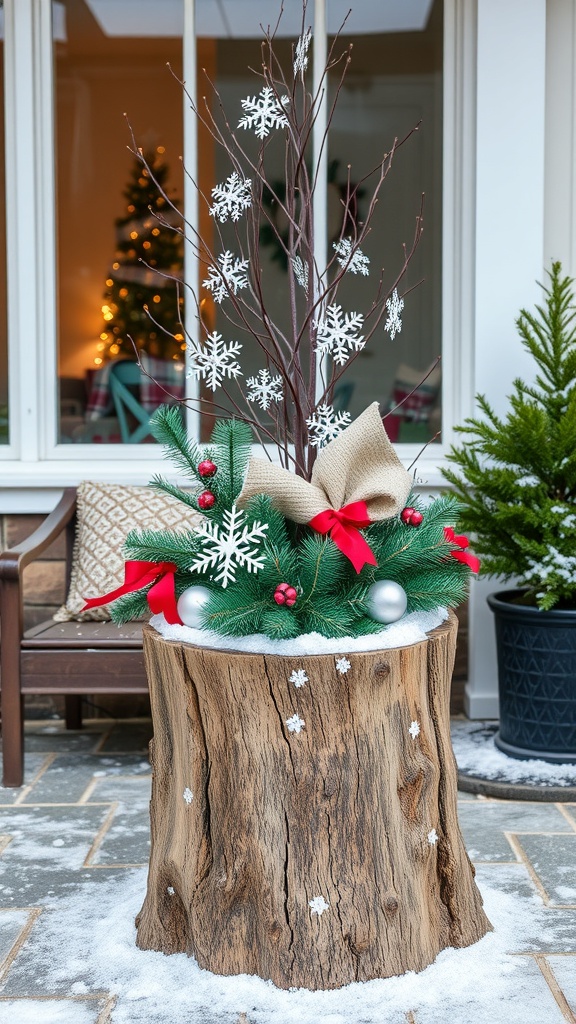
Seasonal swaps are where stump planters really shine because they’re already a statement. In winter, I like adding greenery, pine bits, and ribbons, and it instantly looks festive without you doing the most.
Cold months are also when I protect the roots. Mulch on top helps, and if it gets really chilly, wrapping the outside with burlap can keep things steadier.
Spring is refresh time. Check the stump for new cracks or rot, top off the soil, and replant with something bright. You’ll be surprised how “new” it feels with one simple re-do.
Fall is my favorite. Toss in mini pumpkins, dried stems, and a few warm-toned flowers and suddenly your yard looks like a little seasonal postcard.
Using Stump Planters for Edible Plants
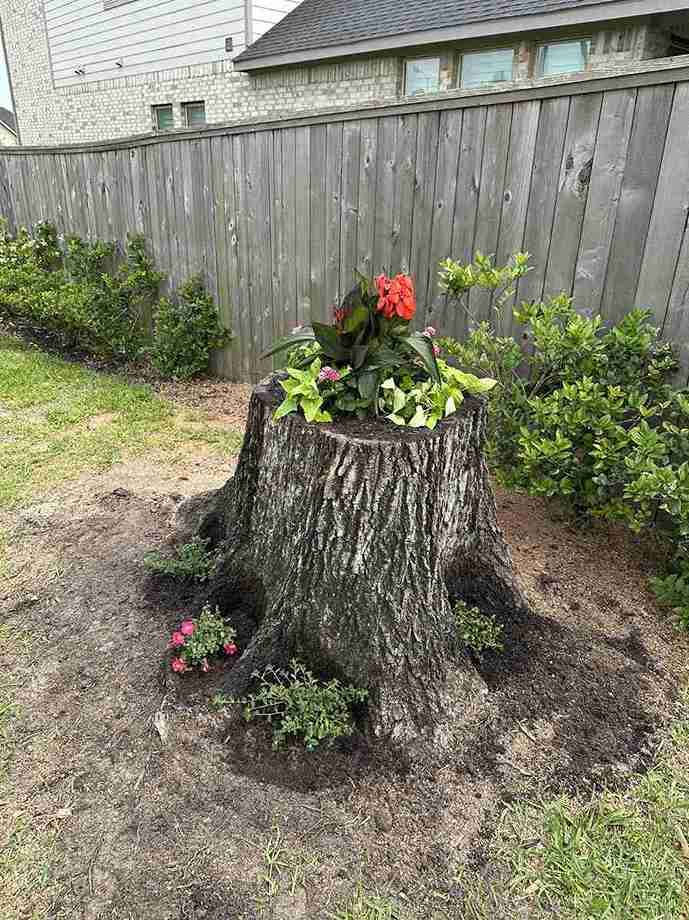
If you like the idea of stepping outside and snipping herbs like you’re in a cooking show, this is for you. Stump planters are such a cute home for basil, mint, thyme, and little pepper plants.
I love edible stump planters near the kitchen door. It makes it way more likely you’ll actually use the herbs instead of forgetting they exist.
Just make sure you’ve got enough depth for roots, and use fresh potting mix. Herbs hate compacted, tired soil.
Also, peppers in a stump planter? That pop of color is so fun. It’s practical and pretty, which is the best combo.
Combining Stump Planters for a Garden Feature
This idea feels so storybook to me. Multiple stump planters lined up, each one holding something living, makes the whole garden feel intentional without being stiff.
Mix heights and shapes so your eye moves around. If you keep them all the same size, it can look a little too uniform, like a display at a store.
You can also mix what you plant. Put a small tree or shrub in one, flowers in another, herbs in another. It looks layered and a little wild in a good way.
Add mulch or gravel around the stumps to tie it together and make it look clean, even if the plants are doing their own thing.
Repurposing Old Stumps into Planters
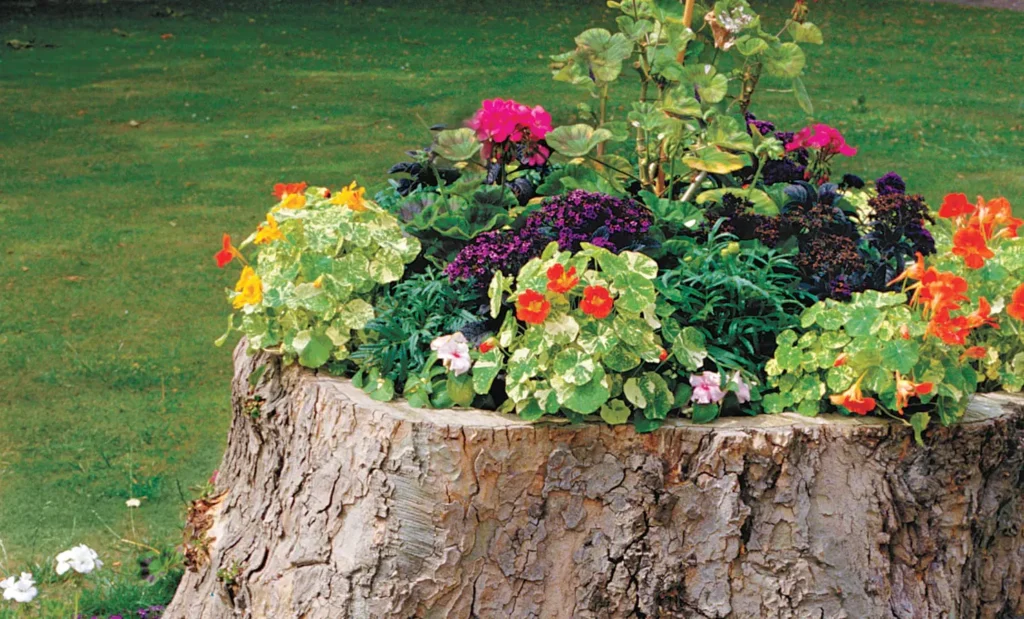
This is the classic stump glow-up, and it never gets old. One minute it’s a sad leftover, the next it’s a little flower party that makes your yard feel cared for.
I like hollowing the top, adding drainage holes, then filling it with soil that drains well. After that, you can go bright with flowers, or go calm with greens and soft textures.
The contrast is what makes it. Bright blooms against weathered wood looks so charming and kinda artsy, like you meant to do it all along.
And if you want it to feel extra finished, tuck a few trailing plants over the edge. It softens the stump and makes it look lush fast.
Incorporating Wildlife-Friendly Features
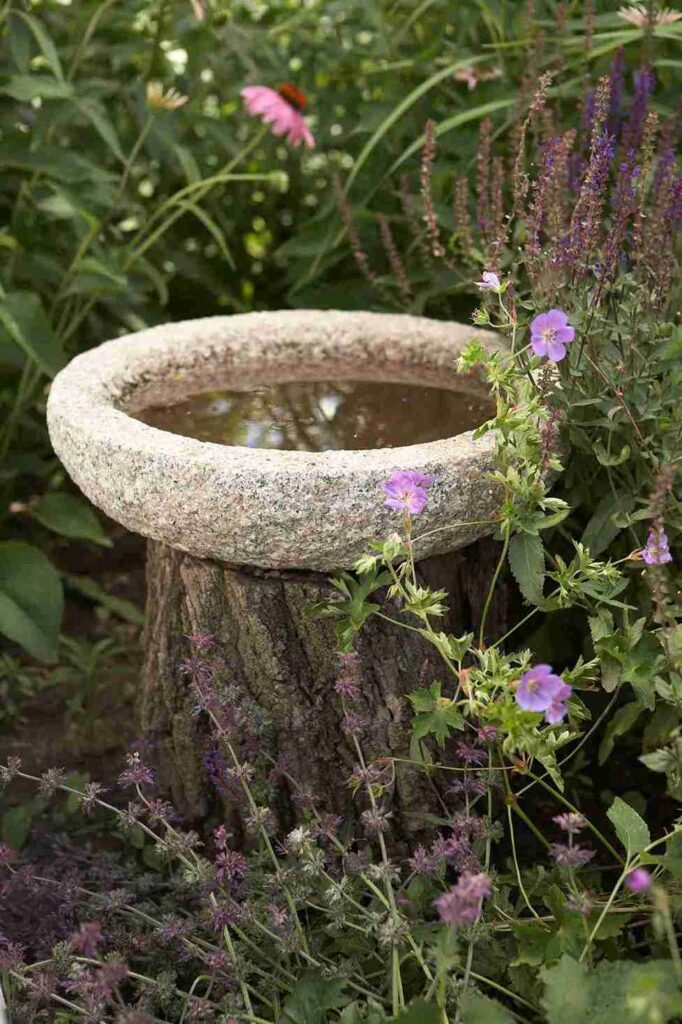
This is my soft spot. A tree stump planter can be more than cute, it can actually help your little local ecosystem do its thing.
Native flowers are the easiest win here. They’re already built for your area, and pollinators recognize them like a familiar hangout spot.
I also like adding a few small rocks or twigs around the base. It gives beneficial insects a place to tuck in, and it makes the planter look more natural, like it belongs there.
When butterflies start showing up, it’s such a good feeling. Like, ok, we’re doing something right out here.
If you’ve got a stump sitting around, try a couple of these tree stump planter ideas and see how fast it changes the vibe. You don’t need a huge budget or a perfect yard. Just a little soil, a few plants you actually like, and that mindset shift from “annoying stump” to “cute garden moment.”