15 Rainscaping Ideas for a Beautiful and Eco-Friendly Outdoor Living Space
If you’ve ever looked out your window during a storm and realized your backyard is basically a swimming pool, you know the struggle is real. It’s frustrating when all that water has nowhere to go but right into your foundation or across your favorite garden beds.
That is exactly where rainscaping ideas come in to save the day, and honestly, they look so much better than a muddy lawn. I’m going to show you how to turn that drainage nightmare into a gorgeous, eco-friendly feature that actually makes your neighbors a little bit jealous.
You’ll walk away from this with a solid plan to stop the flooding while making your outdoor space feel like a high-end retreat.
Why I’m Finally Embracing the Rain This Season
Growing up, my grandmother always taught me that water is a gift, not just something to sweep away or hide from. Lately, though, these heavy rains have been making it hard to feel that way when my back porch feels more like a dock than a place to drink my morning coffee. I realized I was fighting against nature instead of working with it, and that’s a battle you’re never going to win.
There is something so satisfying about the first big storm of the year, that earthy scent and the way everything just turns a deeper shade of green. But seeing my hard work wash away? Not a vibe. I’ve started looking for ways to keep that water where it belongs—in the soil, feeding my plants—rather than letting it wreak havoc on my patio furniture.
I’m all about those low-maintenance, set-it-and-forget-it solutions because, let’s be honest, I’d rather spend my weekends relaxing on the porch than digging out clogged drains. These ideas are about making your life easier while keeping our earth happy and your yard looking like a Pinterest board.
Check out these ways I’ve found to turn a soggy yard into a total sanctuary.
Creative and Functional Rainscaping Ideas
Native Plant Rain Garden
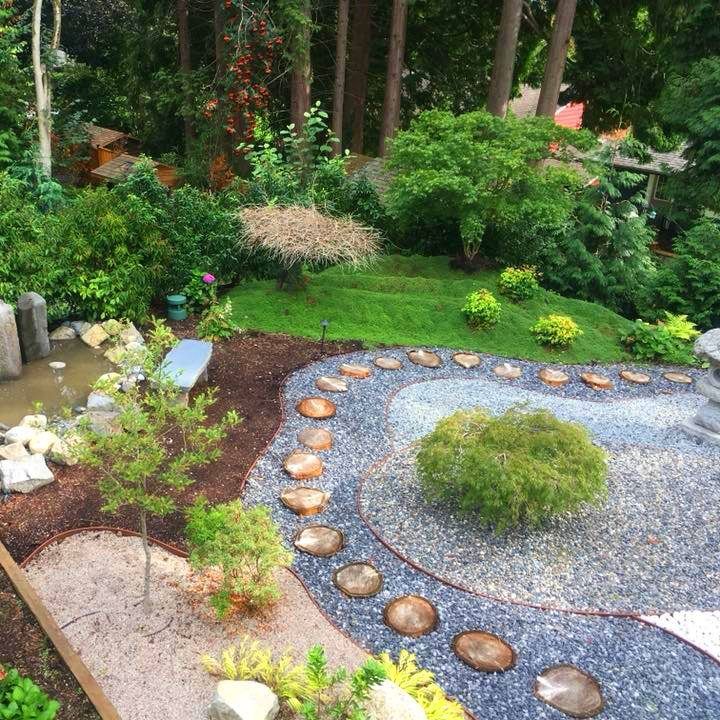
Have you ever noticed that one spot in your yard where the water just loves to hang out? Instead of fighting it, I decided to lean in and create a little depression filled with plants that actually love getting their feet wet.
Using native species like Coneflowers or Black-eyed Susans is a total game changer because they’ve been living in this climate way longer than we have. They soak up that extra runoff like a sponge, and the best part is they bring in so many butterflies and bees that it feels like a little wildlife party right outside my window.
I’d definitely recommend putting one of these near a downspout or at the bottom of a slight slope. It keeps the water from pooling where you don’t want it, and honestly, it just looks like a deliberate, high-end landscaping choice rather than a drainage fix.
Sleek Permeable Pavers
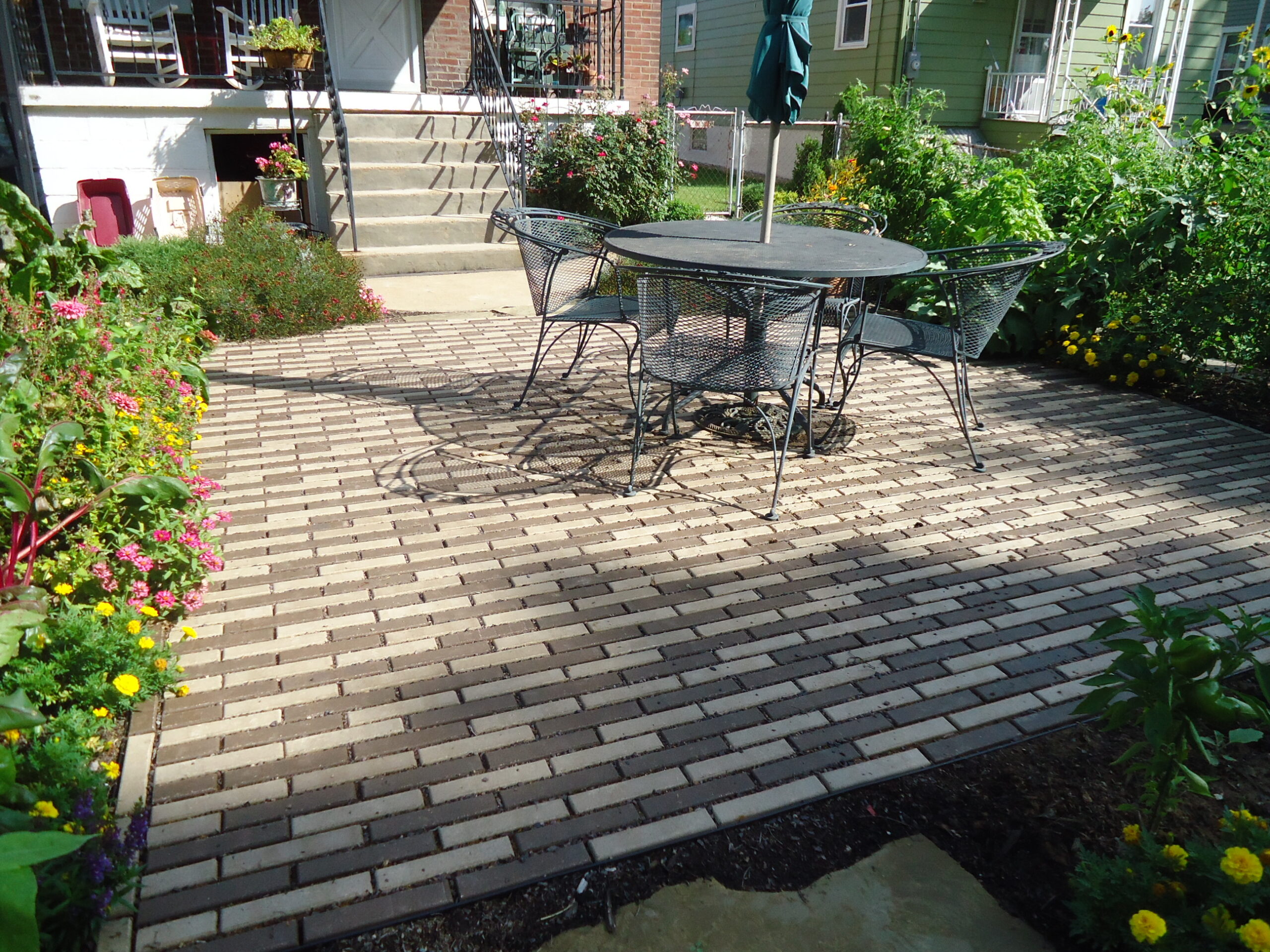
I used to think all driveways and patios had to be solid concrete, but then I saw these permeable pavers and I’m lowkey obsessed. They have these tiny gaps that allow the rain to seep straight into the ground instead of running off and causing a mess in the street.
The aesthetic is so clean and modern, especially if you go with a cool grey or a natural stone look. It pairs perfectly with minimalist outdoor furniture, and you don’t have to worry about those annoying puddles forming right where you’re trying to walk.
If you want to get fancy, you can even grow a little bit of moss or tiny creeping thyme in between the cracks. It softens the whole look of your driveway and makes the whole entrance to your home feel much more lived-in and intentional.
Functional Rain Barrels
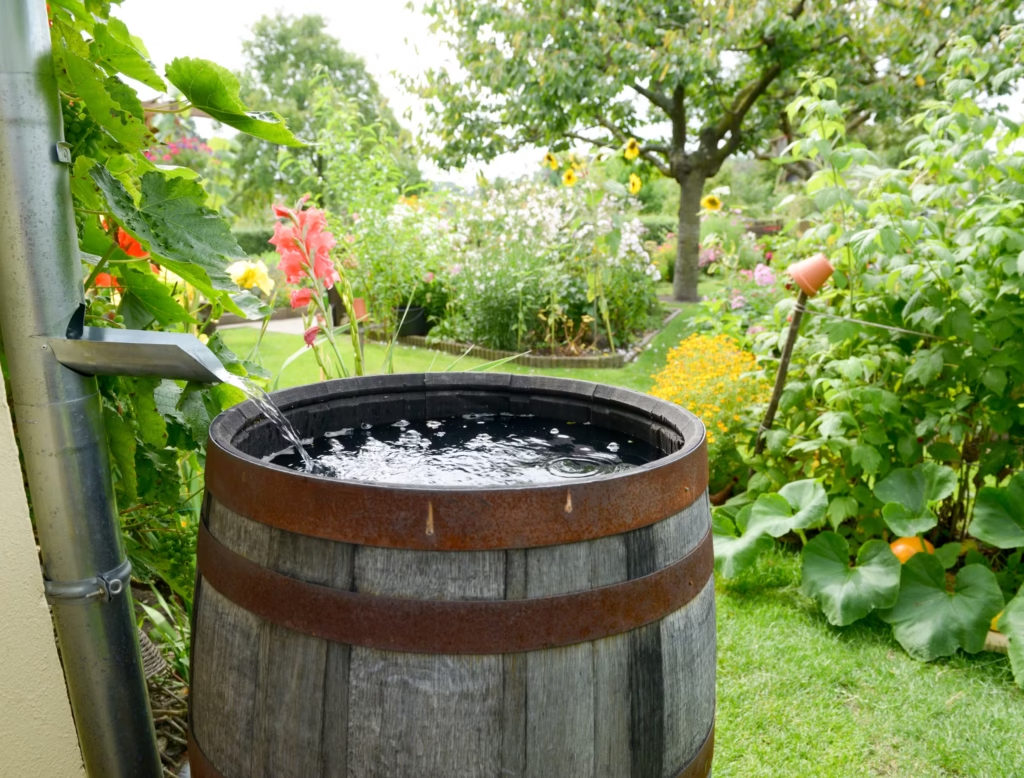
I know what you’re thinking—those old plastic barrels can be kind of an eyesore—but they’ve come such a long way! You can find these now that look like beautiful terracotta pots or even sleek, modern columns that blend right into your back porch decor.
It feels so good to catch all that free water from the roof and use it later when the weather gets dry and my garden is looking a little thirsty. My plants actually seem to prefer the rainwater over the stuff from the hose, probably because it’s free of all those city chemicals.
Try tucking one into a corner and hooking it up to a simple soaker hose. It’s one of those super easy wins that saves you money on your water bill while doing something kind for the environment.
Artistic Dry Creek Bed
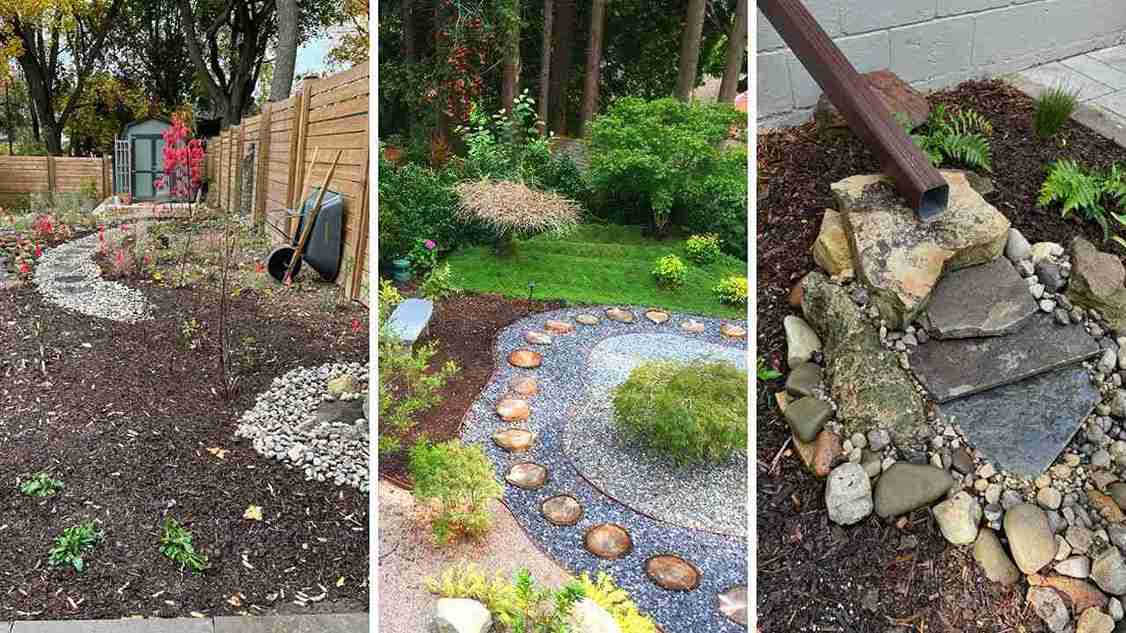
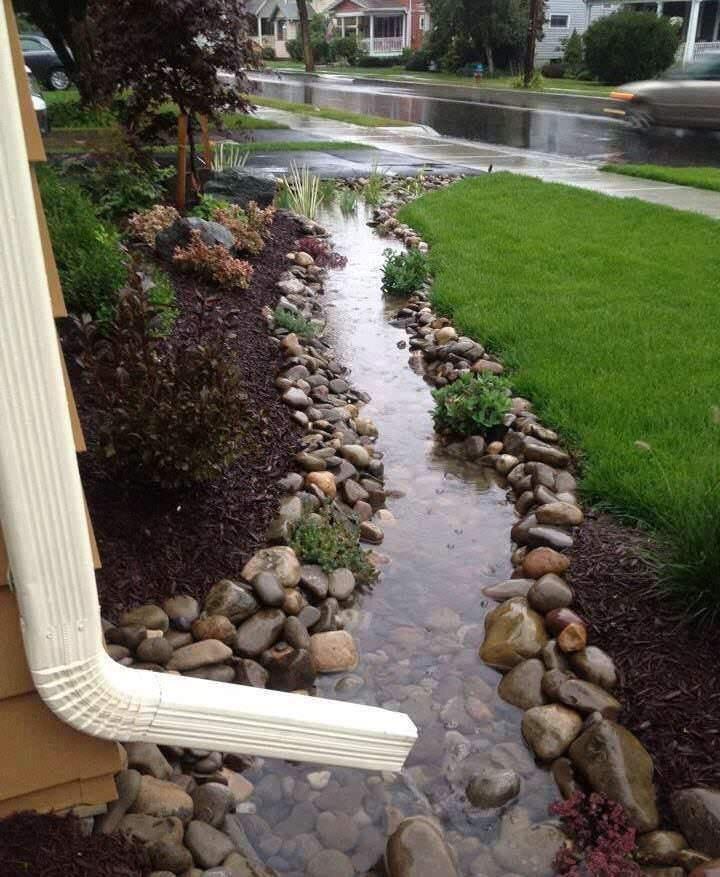
What if your drainage solution actually looked like a piece of art? A dry creek bed uses different sizes of river rocks and boulders to mimic a natural stream, and it’s honestly so peaceful to look at even when it’s totally dry.
When the clouds finally open up, this feature guides the water exactly where it needs to go, preventing it from washing away your mulch or drowning your lawn. I love the way the smooth stones look against the soft texture of ornamental grasses planted along the edges.
It adds such a cool, Zen vibe to the yard. Plus, it’s a great way to break up a large expanse of grass without adding more things you have to mow every week.
Hidden French Drains
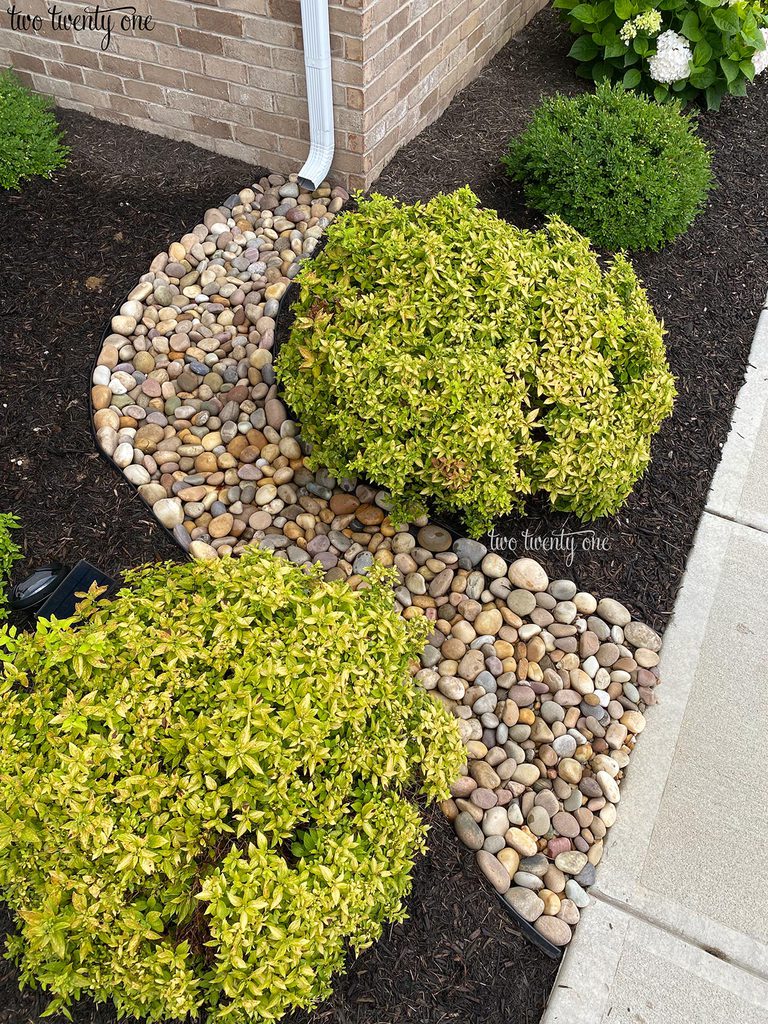
If you’re someone who likes a really clean, uncluttered look, French drains are your new best friend because they do all the heavy lifting underground where no one can see them.
Basically, it’s a trench filled with gravel and a pipe that whisks water away from your house faster than you can say “basement flood.” You can cover the top with decorative stones or even hide it under a bit of turf so it completely disappears into your landscape.
It’s the ultimate “peace of mind” project. You’ll be sitting on your porch during a downpour, cozy and dry, knowing your yard isn’t turning into a swamp beneath your feet.
Lush Green Roof Overhang

Okay, imagine looking up from your patio chair and seeing a roof of living, breathing plants—how dreamy is that? Adding a green roof to a shed or a porch overhang is like giving your yard a whole extra dimension of life.
The plants soak up the rain before it even hits the ground, which helps cool down the air around your porch during those sticky summer afternoons. I’m a huge fan of using sedums and hardy succulents because they can handle the sun and still look gorgeous with almost zero effort.
It’s a bit of an investment, sure, but the aesthetic payoff is massive. It turns a boring utility structure into a major focal point that feels like a hidden garden hideaway.
Natural Swales and Borders
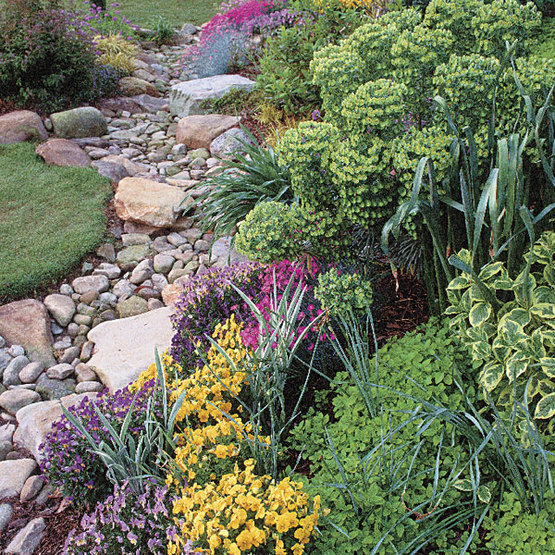
Do you have a hill that turns into a waterfall every time it pours? A swale is just a fancy word for a shallow ditch that’s been landscaped to look pretty while it catches and slows down all that rushing water.
I love lining these with tall, flowy grasses or hostas that can handle a bit of a soak. It creates these beautiful, curving lines in your yard that feel much more organic and soft than a straight plastic pipe ever could.
It’s a great way to define different areas of your garden, too. You can use the swale as a natural border between your “wild” flower area and your neatly manicured lawn.
Zen Rain Chains
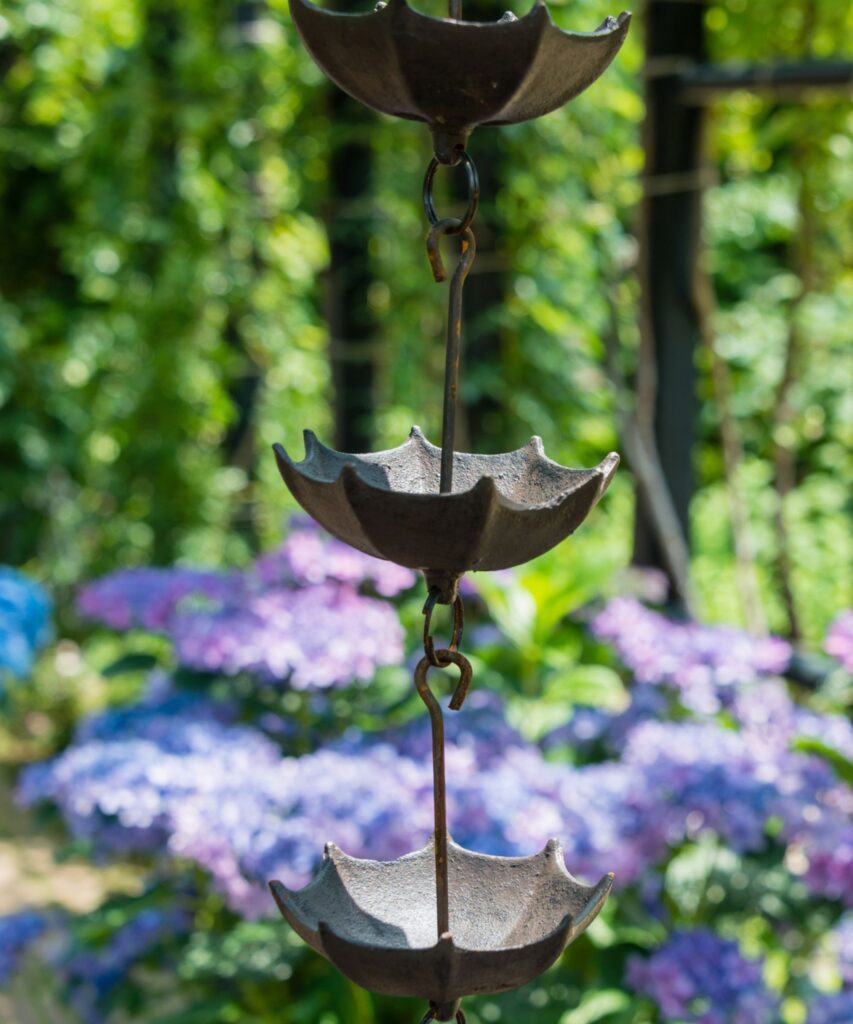
Seriously, ditch those clunky metal downspouts and get yourself a rain chain. They turn a rainy day into a total sensory experience—watching the water trickle down the copper links is so meditative.
The sound is just the best—it’s like having a little waterfall right outside your door. I’ve seen some really cute designs with little cups or bells that look like jewelry for your house, and they honestly make even a grey, drizzly day feel a bit more magical.
I like to place a big decorative bowl or a pile of smooth stones at the bottom to catch the water and keep it from splashing. It’s such a simple swap, but it completely levels up your home’s exterior vibe.
Smart Mulch Trenches
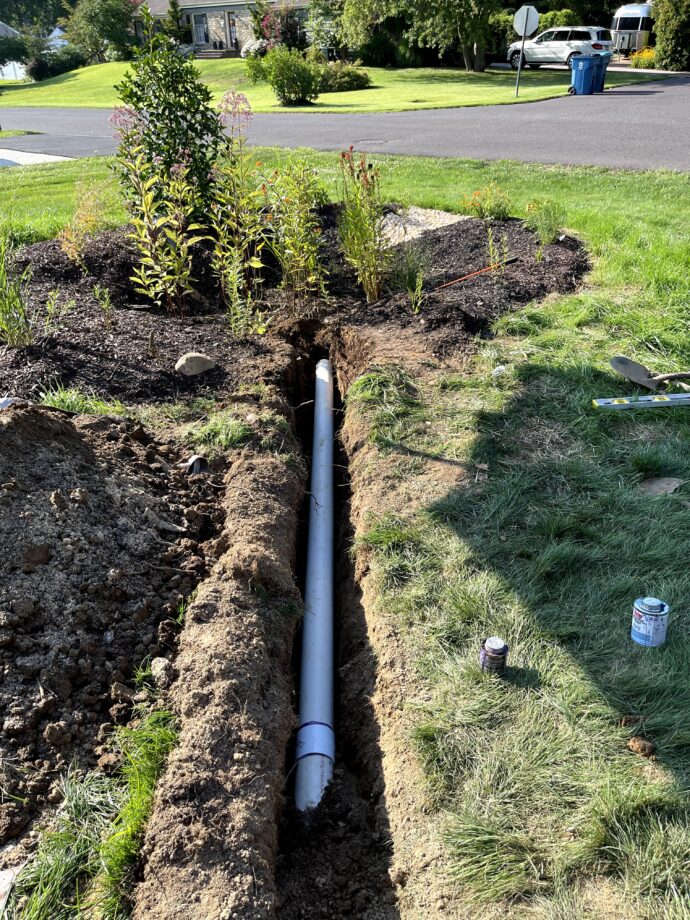
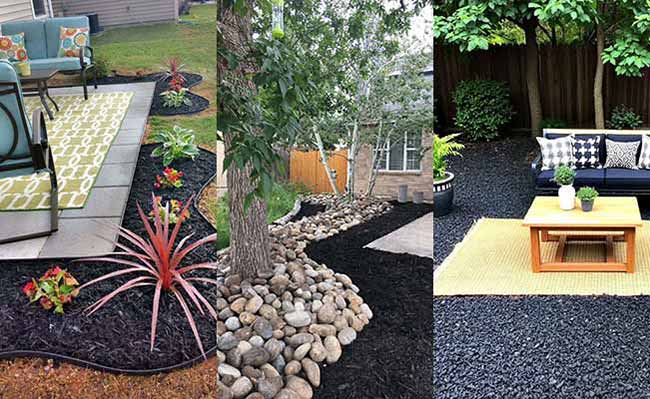
If you’re on a budget but still want to stop the erosion, mulch trenches are a total lifesaver. You just dig a shallow path and fill it with wood chips to help slow the water down as it travels across your yard.
It’s one of those DIYs you can knock out in an afternoon, and it instantly makes your garden beds look more defined and “finished.” Plus, as the mulch breaks down, it actually helps improve your soil, so it’s a win-win for your plants in the long run.
I usually use a darker mulch to contrast with the bright greens of my shrubs. It looks super professional but costs next to nothing compared to hardscaping.
Pollinator Bioswales
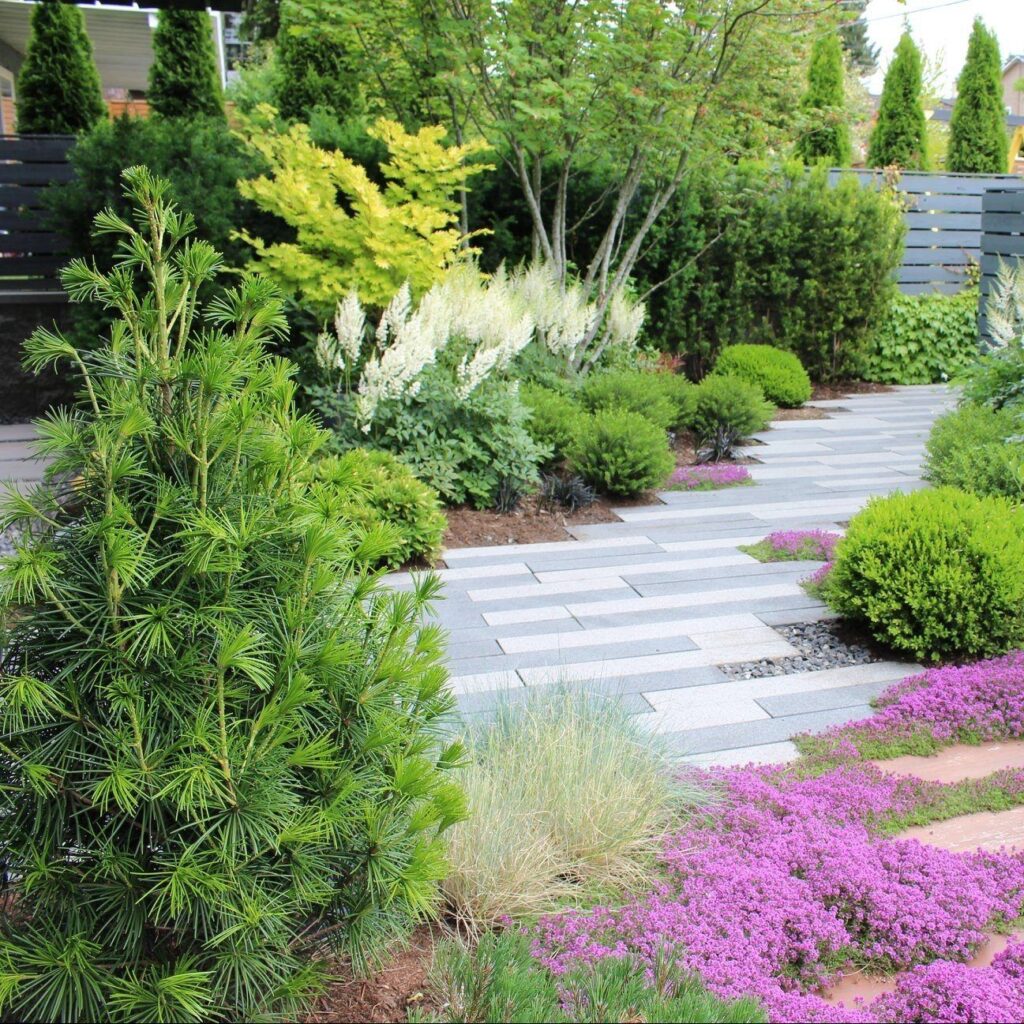
Think of a bioswale as a swale that’s gone to finishing school. It’s specially designed with layers of soil and specific plants that actually filter out pollutants from the water as it passes through.
I’m all about anything that helps the environment, and knowing that the water leaving my yard is cleaner than when it arrived makes me feel pretty good. Plus, you can fill them with local wildflowers that bring in all the hummingbirds.
It’s the perfect solution for the edge of a driveway where oil or salt might wash off. You get a beautiful flower border, and the earth gets a little extra protection.
Rainwater Harvesting Systems
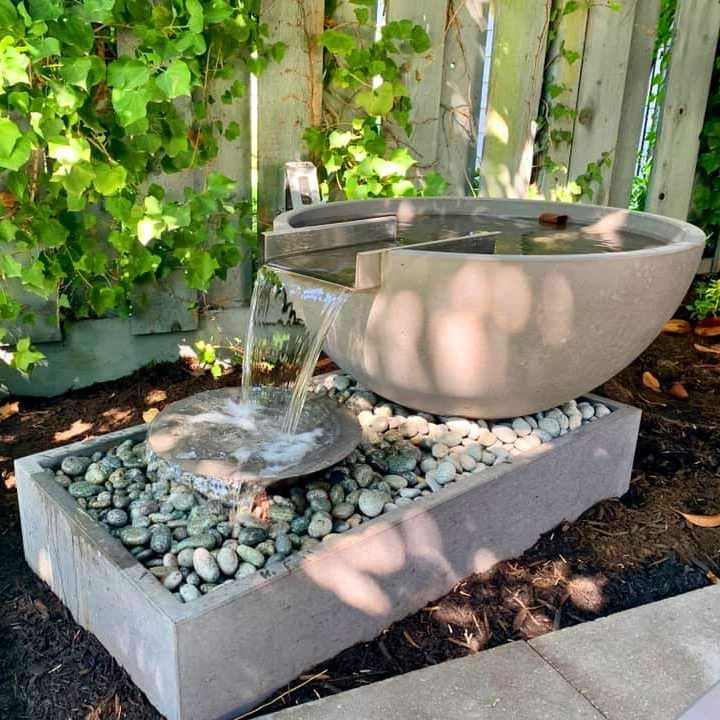
If you have a big garden and you’re tired of seeing your water bill skyrocket in July, you might want to look into a full-on harvesting system. This is a bit more involved than a single barrel, but it’s so worth it for the sustainability points alone.
You can store hundreds of gallons of rain and use it for everything from watering the lawn to washing the dog. It’s like having your own private well that refills every time it storms.
Some of these systems are even designed to be buried, so they don’t take up any space in your yard. It’s a very “smart home” move that makes your whole property more resilient.
Textured Gravel Drainage
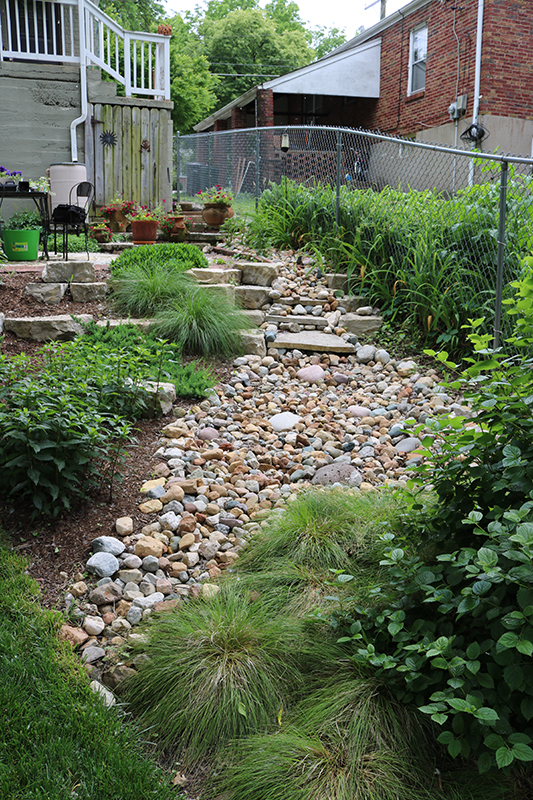
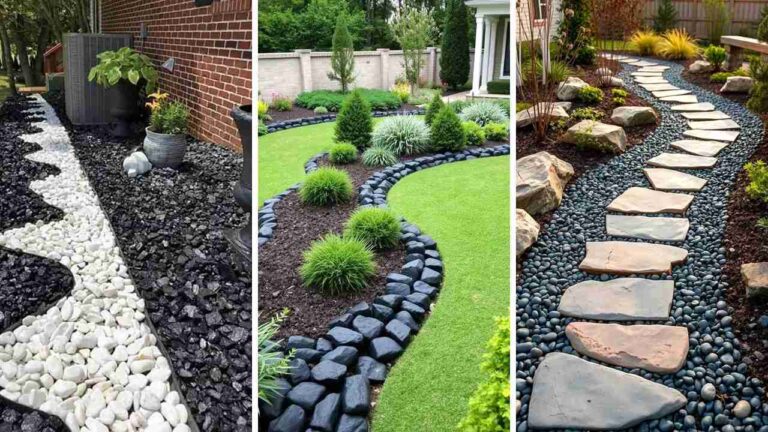
I love the crunch of gravel under my feet—it’s such a nostalgic, summer sound. Using gravel for drainage isn’t just practical; it adds this gorgeous, rustic texture to your outdoor space that looks amazing against wood decking.
It’s perfect for those tight spaces between houses or along the side of a patio where grass refuses to grow because it’s too shady or wet. The water just disappears through the stones, leaving you with a clean, dry surface to walk on.
Try mixing in a few larger “feature” rocks to give it some visual interest. It turns a boring utility area into something that looks like it belongs in a high-end landscape design.
Vertical Living Walls
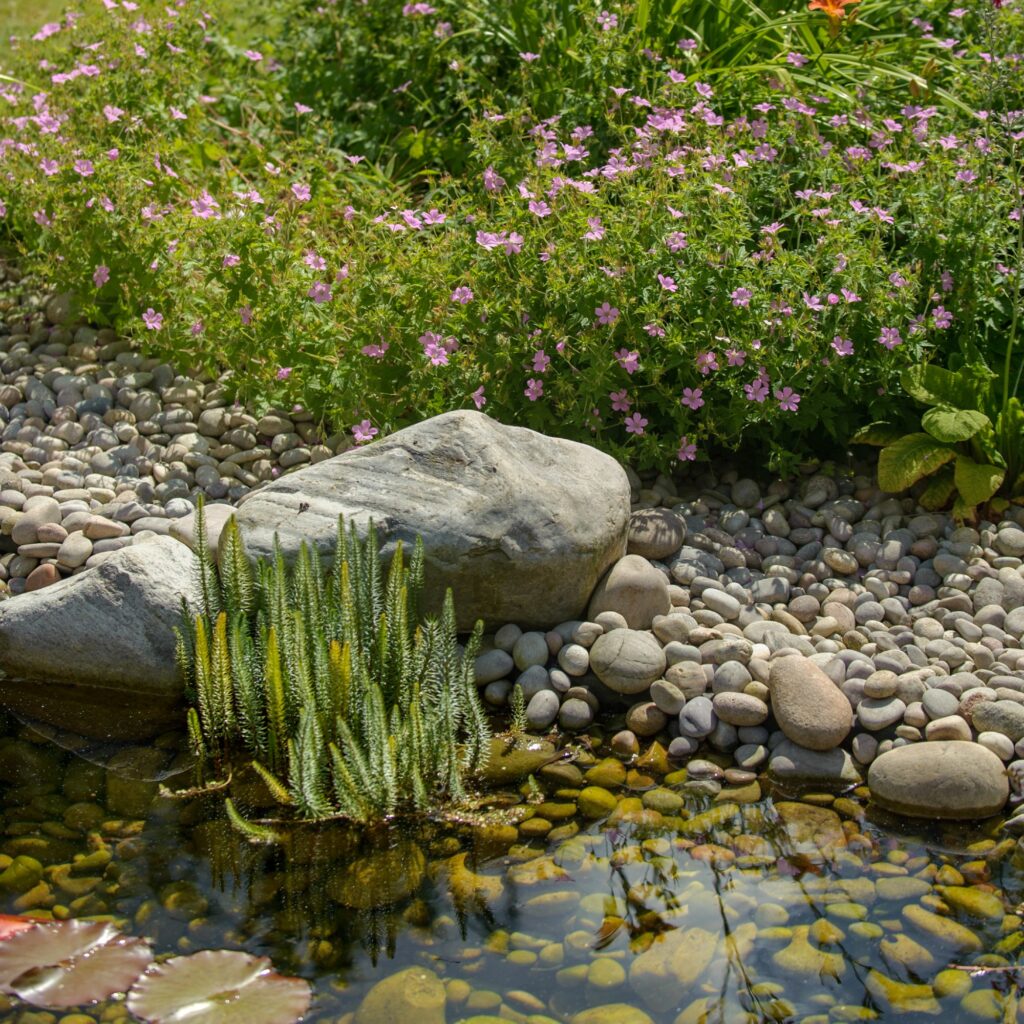
If you don’t have a lot of ground space, why not take your rainscaping up a notch? A living wall on your back porch can catch the rain as it falls, and it acts like natural insulation to keep your seating area cool.
I’m obsessed with the idea of growing herbs or small ferns right on the wall. It’s basically a piece of living art that smells incredible and helps manage the moisture in the air.
It creates such a lush, tropical feel, even if you’re just in a regular suburban backyard. Plus, it’s a total conversation starter when you have friends over for drinks.
Grassed Infiltration Swales
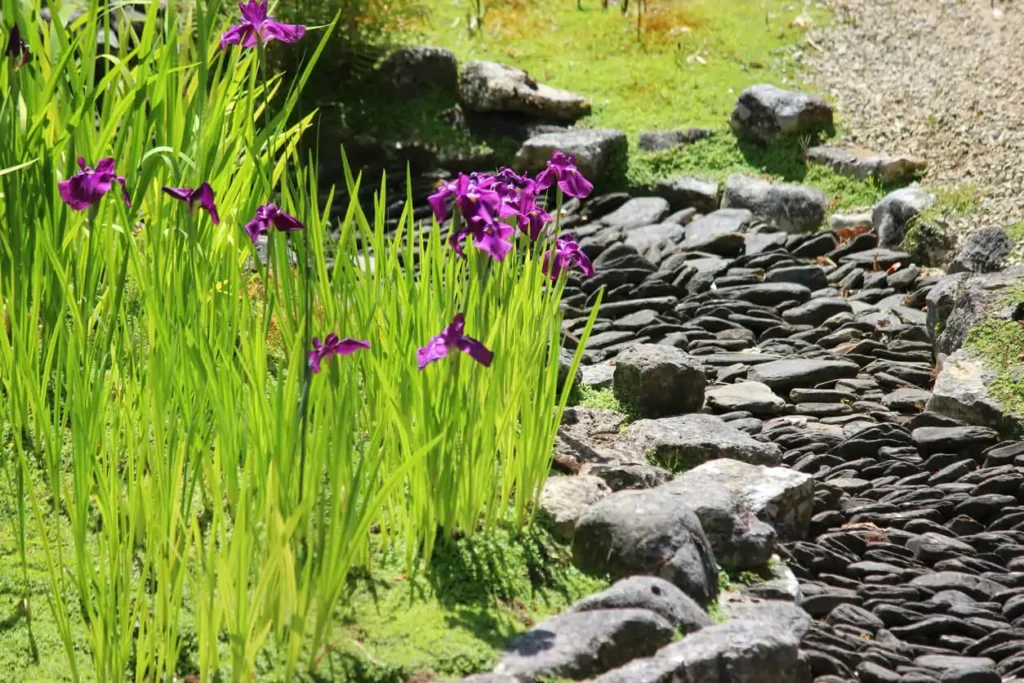
For my friends with big yards, a grassed swale is the way to go. It’s basically a very wide, shallow “valley” in your lawn that encourages water to soak in slowly rather than rushing off into the neighbor’s yard.
The best part is that you can just mow right over it once it’s dry, so it doesn’t add any extra work to your routine. It’s a very subtle way to manage a lot of water without changing the look of your open green space.
It’s all about working with the natural curves of your land. It feels very peaceful and grounded, like your yard is just doing exactly what it was meant to do.
Sustainable Landscape Design
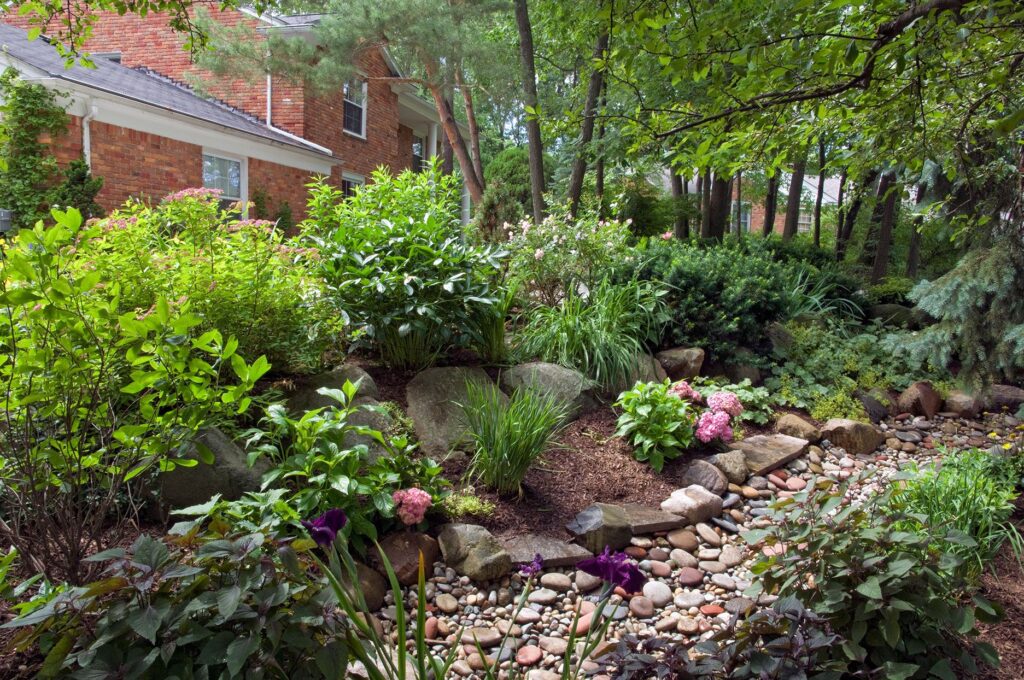
At the end of the day, the best rainscaping is about looking at your whole yard as one big, connected system. It’s about picking the right plants for the right spots and making sure every drop of rain has a job to do.
When you put all these pieces together—the rain gardens, the barrels, the permeable paths—you end up with a yard that practically takes care of itself. It’s such a relief to not have to worry every time a storm cloud rolls in.
It’s about creating a home that feels like it’s part of the world around it, not separate from it. And honestly, there’s nothing more beautiful than that.
I hope these ideas get you excited to go out and play in the dirt a little! Dealing with water doesn’t have to be a chore—it’s actually a pretty cool way to make your home more beautiful and resilient. I’d love to see which of these rainscaping ideas you end up trying in your own space, so definitely let me know how it goes. Happy gardening, friend!