Raised Garden Beds vs In-Ground Beds: Pros and Cons for Beginners
If you are deciding between raised garden beds and in-ground gardening, the right choice depends on your soil quality, budget, space, and physical comfort.
Raised beds offer better soil control, fewer weeds, and easier access, while in-ground gardens are more affordable and flexible. Many home gardeners successfully use a mix of both.
At a Glance: Raised Beds vs In-Ground Beds
| Feature | Raised Garden Beds | In-Ground Garden Beds |
|---|---|---|
| Soil control | Full control over soil quality | Depends on native soil |
| Cost | Higher upfront cost | Low startup cost |
| Weed pressure | Lower | Higher |
| Pest protection | Easier to block burrowing pests | More vulnerable |
| Accessibility | Easier on knees and back | Requires bending |
| Flexibility | More permanent | Easy to change or expand |
| Best for | Poor soil, small spaces, mobility needs | Good soil, large areas, tight budgets |
What Is a Raised Garden Bed vs an In-Ground Garden?
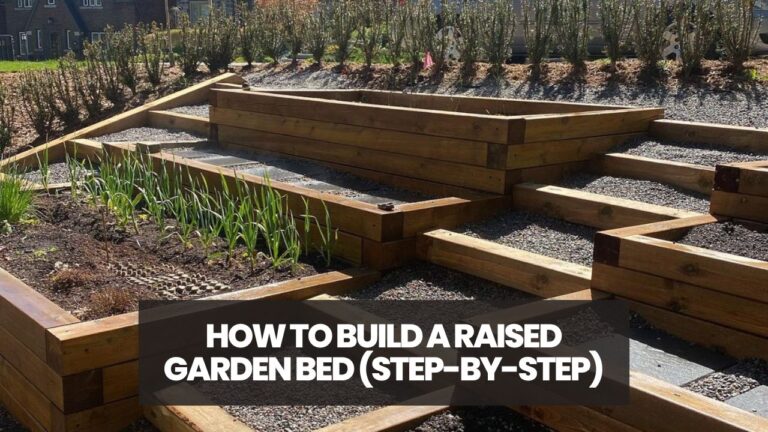
A raised garden bed is a contained growing space filled with soil above ground level. It is commonly made from wood, metal, stone, or other durable materials and usually has an open bottom unless placed on a hard surface.
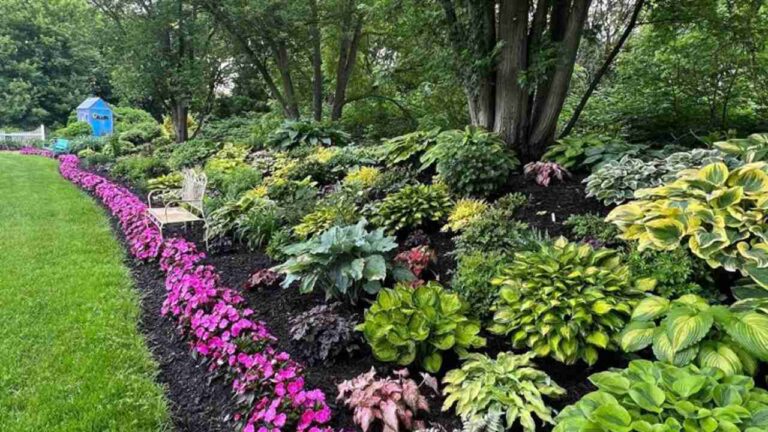
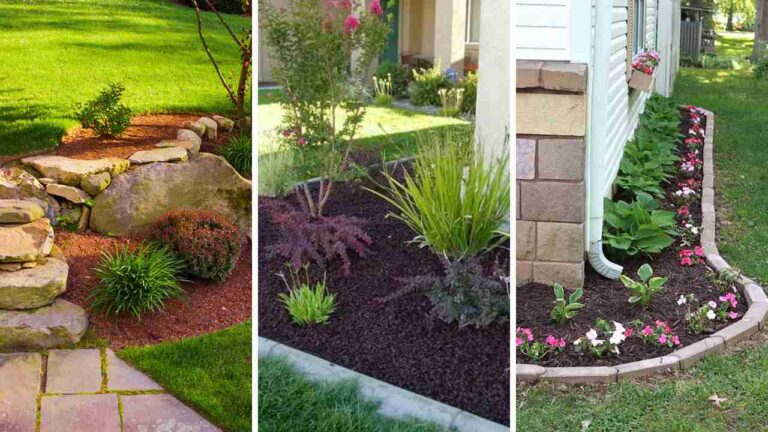
An in-ground garden bed is created by planting directly into native soil. The soil may be left as-is or improved with compost and organic matter. These beds are often slightly mounded and blend naturally into the surrounding landscape.
Both methods can grow healthy plants when designed correctly.
Benefits of Raised Garden Beds
1. Better Control Over Soil Quality
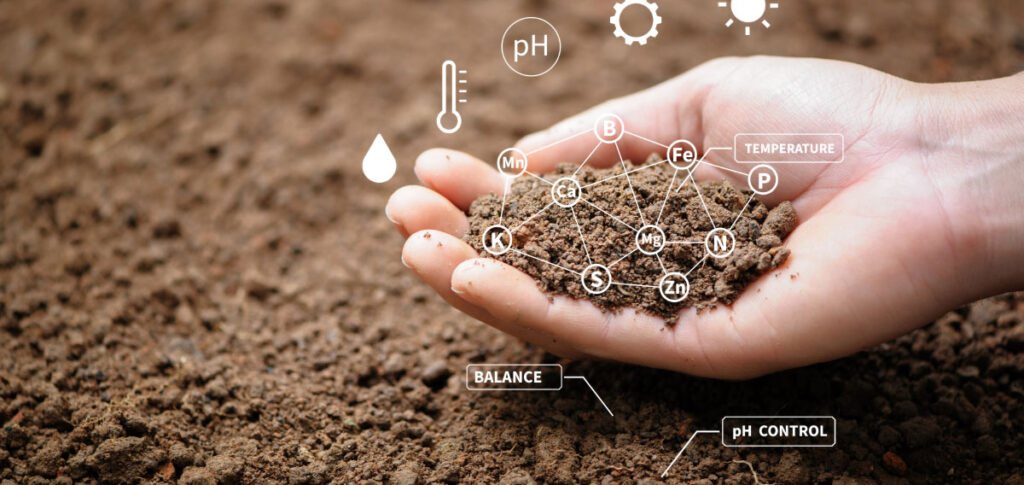
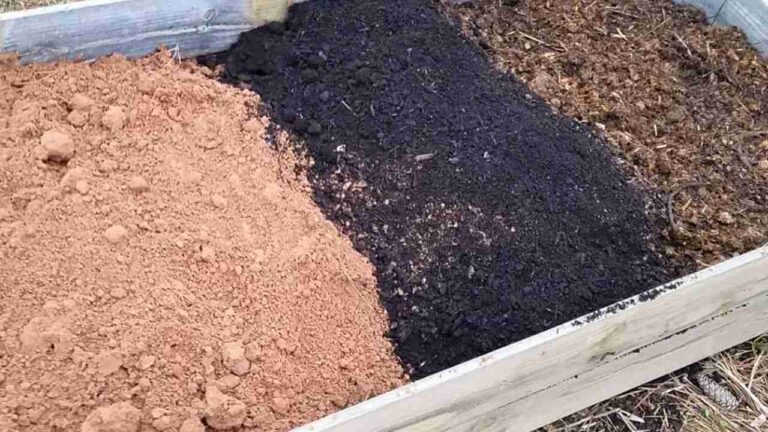
Raised beds allow you to start with high-quality soil from day one. This is especially helpful if your native soil is clay-heavy, sandy, rocky, compacted, or previously treated with chemicals.
Healthy garden soil should be loose, well-draining, rich in organic matter, and full of beneficial microbes. Raised beds make this easier to achieve and maintain.
2. Deeper Soil for Healthier Roots
Most raised beds provide deeper soil than untreated ground. This supports stronger root systems, which leads to healthier plants and better harvests.
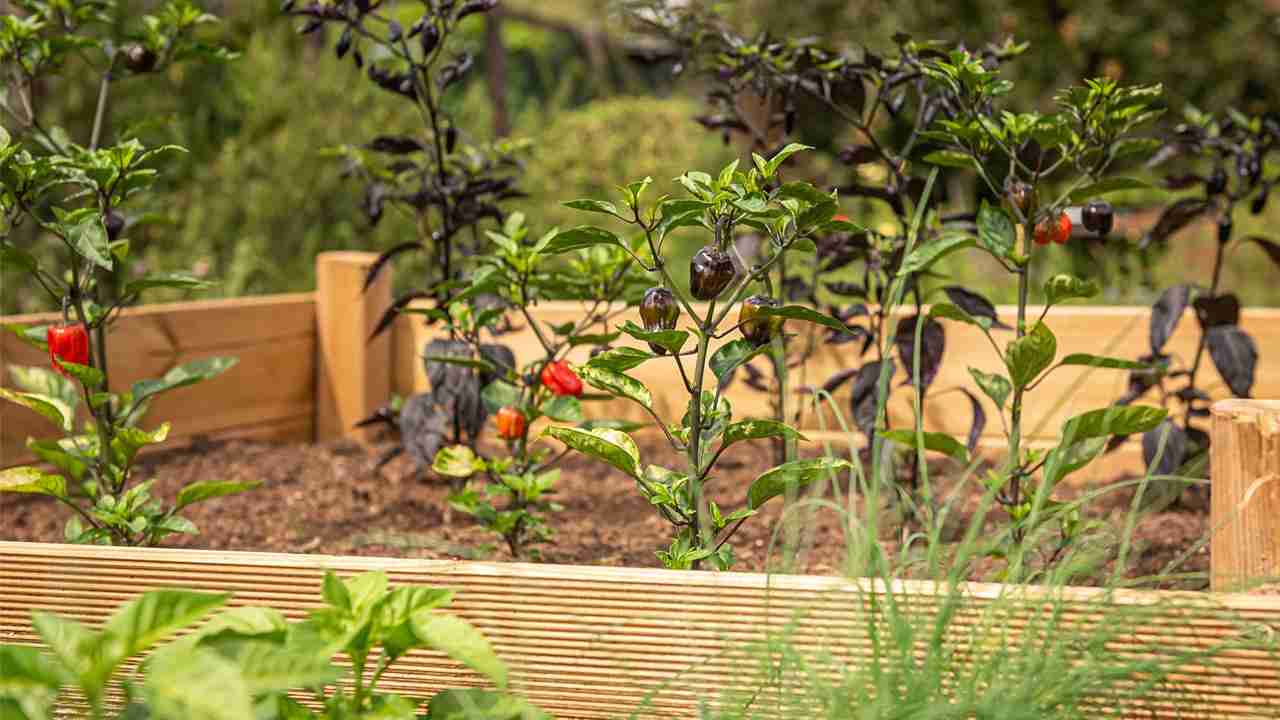
A minimum depth of 12 inches works for many crops, while 18 to 24 inches supports larger vegetables like tomatoes, peppers, and eggplants.
3. Easier on Your Body
Raised beds reduce bending and kneeling. This makes gardening more comfortable for beginners, older adults, and anyone with back or joint concerns.
Beds that are 2 feet tall can also double as seating while working in the garden.
4. Easier Pest Control
Raised beds create a physical barrier against pests like rabbits and slugs. Burrowing pests such as gophers can be blocked by installing hardware cloth beneath the bed.
It is also easier to add hoops, netting, or row covers to raised beds for protection from insects and birds.
5. Fewer Weeds
Fresh soil in raised beds usually contains fewer weed seeds. The raised sides also help stop weeds from creeping in from surrounding areas.
Adding cardboard or landscape fabric beneath the bed further reduces weed pressure.
6. Clean and Organized Appearance
Raised beds create defined growing spaces that are easier to maintain. They keep mulch and gravel in place and help gardens look tidy year-round, even when plants are not actively growing.
7. Flexible Placement
Raised beds can be installed where in-ground gardening is not possible. This includes patios, driveways, slopes, balconies, and compact urban spaces.
With proper drainage, raised beds can grow food almost anywhere sunlight is available.
Drawbacks of Raised Garden Beds
1. Higher Upfront Cost
Materials, tools, and soil can add up quickly, especially when building multiple beds. In-ground gardens are more budget-friendly to start.
Costs can be reduced by building in stages, sourcing soil in bulk, or using natural fill materials at the bottom of beds.
2. Requires Basic Building Skills
Constructing raised beds takes time, tools, and some planning. While not difficult, it can feel intimidating for first-time gardeners.
Pre-made kits are an option but still cost more than planting directly in the ground.
3. Limited Lifespan
Wooden raised beds will eventually wear out. Even durable materials like cedar or redwood may need repair after many years.
Stone and metal beds last longer but cost more upfront.
4. Less Flexible Once Installed
Once filled with soil, raised beds are heavy and difficult to move. Changing the garden layout later requires extra effort.
In-ground beds are easier to reshape or remove.
5. Limited Curves and Shapes
Most raised beds are rectangular or square. In-ground gardens allow more natural, flowing shapes.
Many gardeners balance this by using curved paths, soft plantings, and mixed materials around raised beds.
Are In-Ground Garden Beds Still a Good Choice?
Yes. In-ground gardens work very well when:
- Native soil drains well and has good structure
- Burrowing pests are not a major issue
- Budget is limited
- You want a flexible or natural garden layout
Improving in-ground soil with compost, mulch, and proper spacing can lead to excellent results.
Which Option Is Right for You?
Choose raised beds if:
- Your soil quality is poor
- You want fewer weeds and pests
- You prefer easier access and cleaner layout
- You garden in a small or paved space
Choose in-ground beds if:
- Your soil is already healthy
- You have plenty of space
- You want minimal startup costs
- You prefer a natural landscape feel
Many EcoGardenBloom readers use a combination of both.
Frequently Asked Questions
Are raised garden beds better for beginners?
Yes. Raised beds simplify soil management, reduce weeds, and make plant care easier, which helps beginners succeed faster.
How deep should a raised garden bed be?
At least 12 inches deep. For larger vegetables, 18 to 24 inches is ideal.
Do raised beds need a bottom?
Not usually. Open-bottom beds allow roots to grow deeper and improve drainage. If placed on concrete, a breathable fabric bottom is helpful.
Are raised beds more expensive than in-ground gardens?
Yes initially. Over time, reduced weed pressure and better yields may offset some costs.
Can I mix raised beds and in-ground beds?
Absolutely. Many gardeners grow vegetables in raised beds and flowers or native plants in the ground.
Final Thoughts
There is no single right way to garden. Raised beds and in-ground beds both offer real advantages depending on your space, soil, and lifestyle.
Start with what makes gardening easier and more enjoyable for you. A garden that fits your life is one that will grow with you.