How to Design a Garden for Beginners: Beds, Paths & Layout Ideas
Designing a garden before planting helps beginners avoid common layout mistakes and makes gardening easier long term. A functional garden design includes five core elements: raised beds, trellises, borders, pathways, and pollinator spaces. Choosing the right layout improves plant health, simplifies maintenance, and creates a garden that fits naturally into your home and landscape.
Why Garden Design Comes Before Plants
Many first-time gardeners rush to buy plants before thinking about layout. That usually leads to overcrowding, poor access, compacted soil, and frustration by mid-season.
Garden design is not about decoration. It is about creating a space that supports healthy plants and works with your daily routine. When beds are spaced correctly, paths are wide enough, and structures are placed intentionally, gardening becomes easier instead of overwhelming.
Designing first helps you:
- Reduce maintenance later
- Improve airflow and drainage
- Prevent soil compaction
- Make harvesting and watering easier
- Enjoy the space instead of struggling with it
The 5 Essential Elements of a Well-Designed Garden
Most successful gardens use the same core building blocks. You do not need to include all of them on day one, but understanding each element helps you make better decisions.
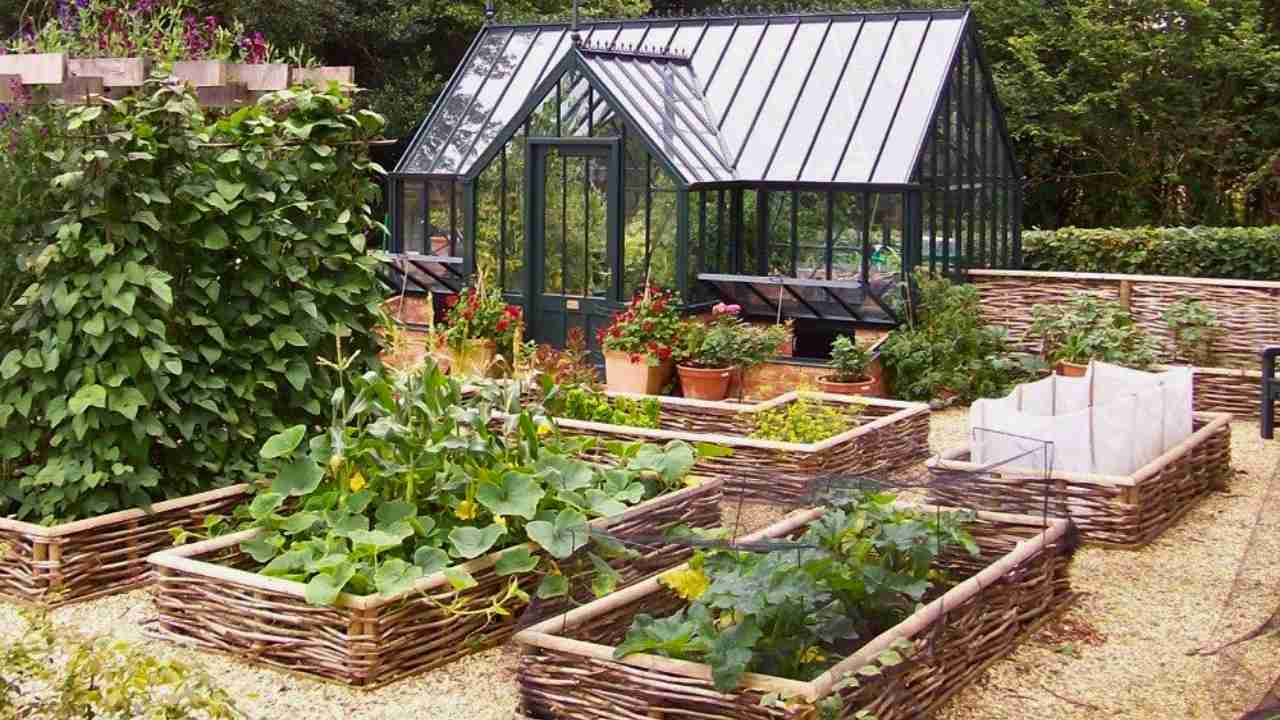
1. Raised Garden Beds
Raised beds create structure and give beginners control over soil quality.
They are especially helpful for vegetables, herbs, and fast-growing annual plants.
Why raised beds work well
- Better drainage after heavy rain
- Faster soil warming in spring
- Fewer weeds
- Easier access for planting and harvesting
Beginner sizing guidelines
- Minimum width: 1.5 feet
- Ideal width: 2 to 4 feet
- Maximum width: what you can reach comfortably from one side
- Minimum height: 6 inches
- Ideal height for mixed crops: 12 to 24 inches
- Typical length: 6 to 8 feet
Beds wider than you can reach lead to compacted soil and neglected plants in the center.
2. Garden Trellises
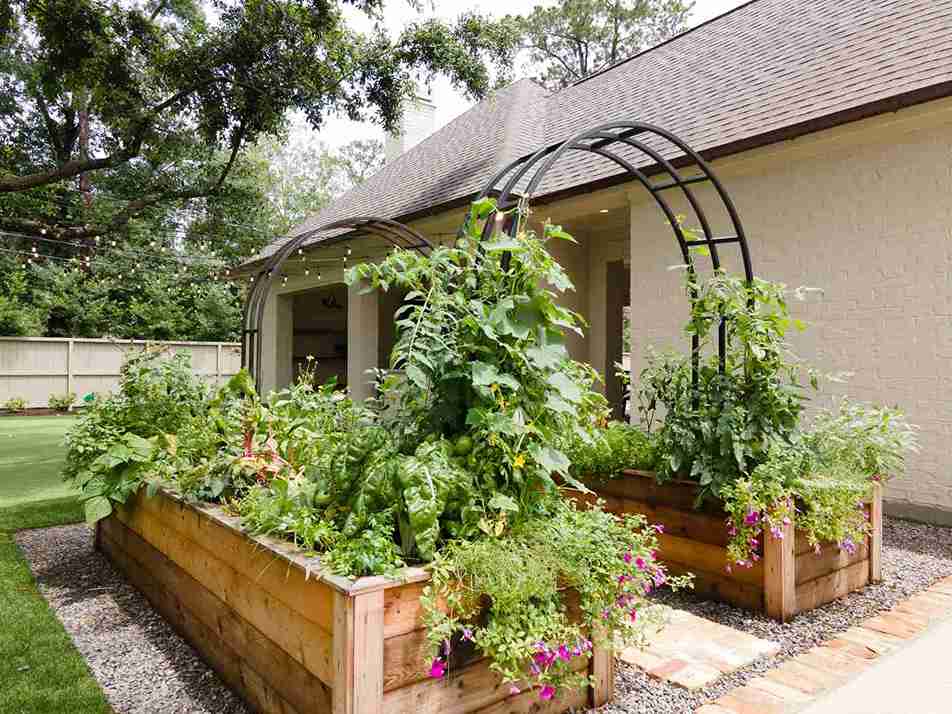
Trellises support climbing plants and increase vertical growing space.
They are useful for:
- Tomatoes
- Cucumbers
- Peas
- Beans
- Gourds
Benefits of trellises
- Improve airflow
- Reduce disease
- Make harvesting easier
- Free up space for other plants
- Add structure even when plants are dormant
Common trellis styles
- Panel trellises for narrow beds and fences
- Obelisk trellises for focal points
- Arch trellises for entrances and pathways
For long-term use, metal trellises last longer than wood or bamboo.
3. Garden Borders
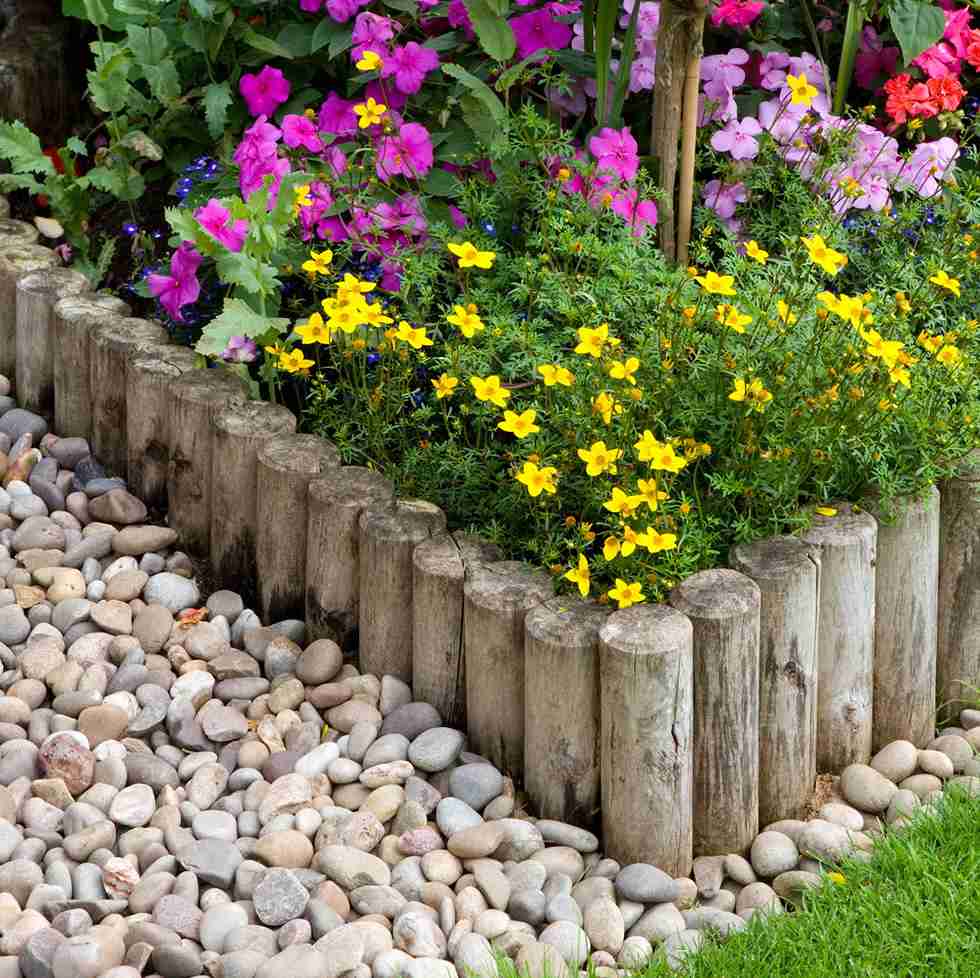
Borders define the garden area and keep it manageable.
They prevent grass from creeping into beds and help keep pathways neat.
Why borders matter
- Cleaner edges
- Easier mowing
- Less maintenance
- Better separation between garden and lawn
Beginner-friendly border options
- Metal edging
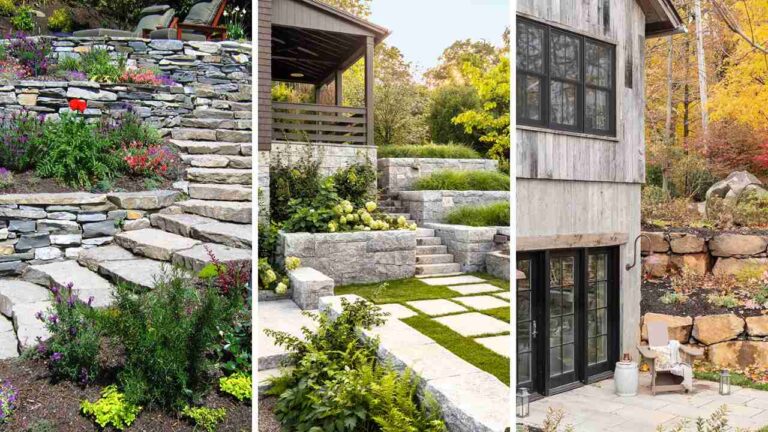
- Brick or stone
- Hard landscape plastic
Borders should be installed in a shallow trench so they stay secure over time.
4. Garden Pathways
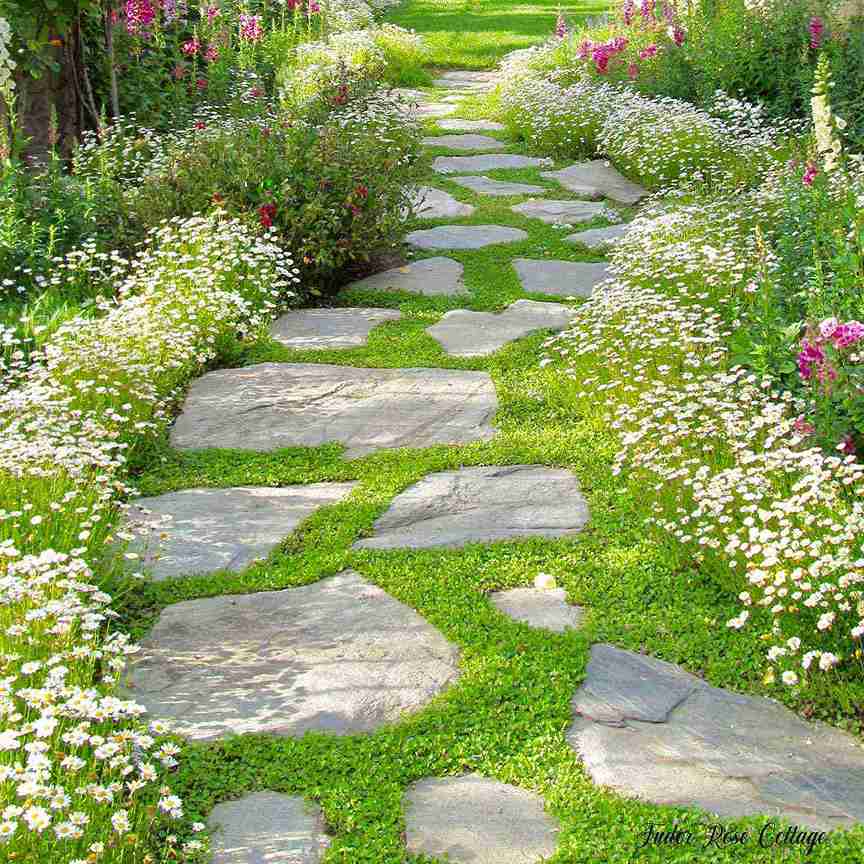
Pathways allow you to move through the garden without stepping on soil or plants.
Without paths, soil becomes compacted and roots struggle to grow.
Pathway planning basics
- Minimum width: 2 feet
- Comfortable width: 2.5 to 3 feet
- Wheelbarrow access: close to 3 feet
Common materials
- Gravel for durability and drainage
- Mulch for lower cost but more upkeep
Gravel paths help raised beds stay drier and last longer.
5. Native Plant and Pollinator Spaces
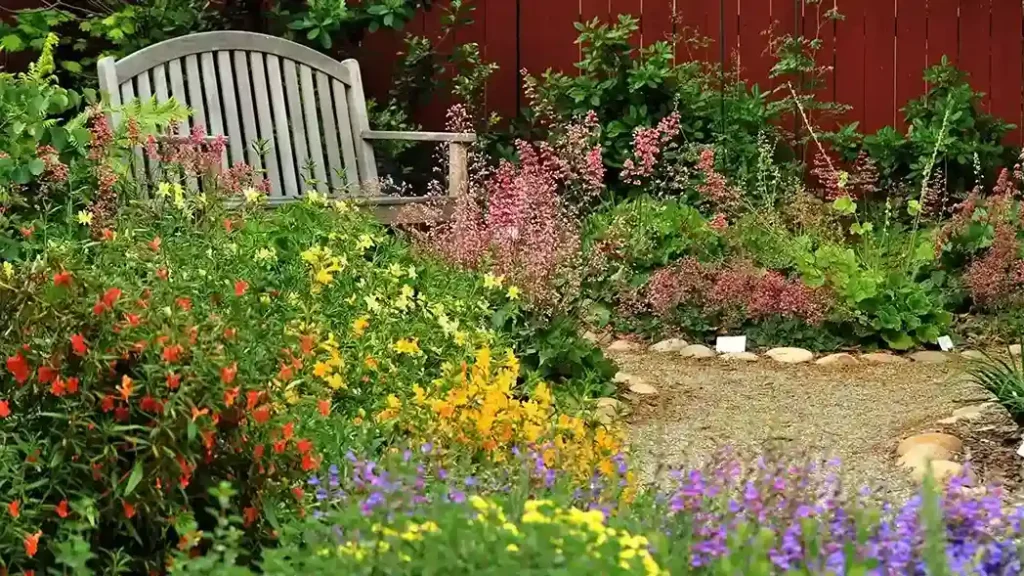
Pollinator spaces support bees, butterflies, birds, and beneficial insects.
They also improve vegetable yields by increasing pollination and natural pest control.
Why native plants help
- Adapted to local climate
- Require less water
- Resist local pests
- Thrive in existing soil
Placing pollinator plants near edible beds strengthens the entire garden ecosystem.
How to Make Your Garden Fit Your Home and Yard
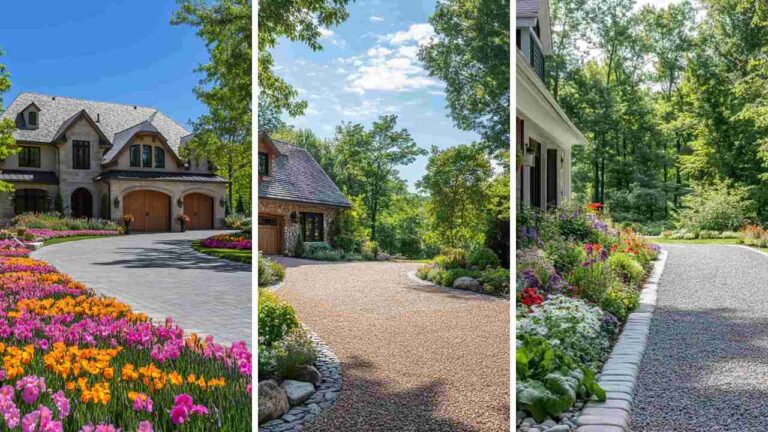
A garden should feel like it belongs in its surroundings.
Before building, observe:
- Your home’s architectural style
- Existing materials like stone, brick, or fencing
- How people naturally move through the yard
Choose materials and layouts that echo what already exists. When design feels natural, the garden looks established instead of added on.
Choosing the Right Garden Layout
Different spaces call for different layouts. The goal is to match layout to your available space and how you want to use it.
Garden Layout Comparison Table
| Layout Type | Best For | Space Needed | Why It Works |
|---|---|---|---|
| Border Garden | Small yards, fences | Narrow, long spaces | Uses edges efficiently |
| Twin Garden | Medium yards | Rectangular | Balanced and organized |
| Garden Trio | Long or curved areas | Flexible | Visually pleasing |
| Four-Garden Classic | Square yards | 15×15 feet or more | Highly productive |
| Keyhole Garden | Compact spaces | 10×15 feet | Maximizes space |
| Formal Potager | Large landscapes | 20×20 feet or more | Decorative and structured |
Border Garden
Border gardens run along fences, walls, or property edges.
They work well when:
- Space is limited
- You want to preserve lawn
- You want easy access from one side
They are ideal for beginners because they are simple and efficient.
Twin Garden
Twin gardens use two matching beds placed side by side.
This layout:
- Feels balanced
- Looks intentional
- Avoids the awkward look of a single bed
It works well in open yards with moderate space.
Garden Trio
Groups of three beds create visual flow and interest.
This layout is useful for:
- Long yards
- Curved spaces
- Side yards
Grouping beds in threes makes the garden feel cohesive.
Four-Garden Classic
Four beds arranged around a central path create a calm, enclosed feel.
This layout:
- Maximizes growing space
- Improves access
- Feels organized and peaceful
It works best in square or nearly square spaces.
Keyhole Garden
Keyhole gardens wrap beds around a central access point.
They:
- Maximize growing space
- Keep everything within reach
- Work well in compact areas
This layout is efficient but requires careful planning.
Formal Potager
Formal potagers combine food, flowers, and structure.
They are best for:
- Large spaces
- Long-term gardens
- Gardeners who enjoy design as much as growing
Professional planning is often helpful for this layout.
Designing Before You Build
Before buying materials or plants:
- Draw your garden to scale
- Mark beds, paths, and borders
- Stake the layout outside with string and stakes
- Walk through the space
- Adjust widths and spacing
This step prevents costly mistakes and helps you understand how the garden will function day to day.
Key Takeaway
A successful garden begins with thoughtful design, not plant selection.
When beds, paths, and pollinator spaces are planned together, gardening becomes easier, more productive, and more enjoyable over time.
Frequently Asked Questions
What is the first step in designing a garden?
The first step in garden design is understanding your space. Measure your yard, observe sunlight patterns, and note how you naturally move through the area. Design decisions should come before buying plants or materials.
Do beginners really need to design a garden before planting?
Yes. Designing first prevents overcrowding, poor access, and soil compaction. A simple layout plan helps beginners save time, money, and effort while creating a garden that is easier to maintain long term.
Are raised garden beds necessary for beginners?
Raised beds are not required, but they are highly recommended for beginners growing vegetables or herbs. They offer better drainage, warmer soil, fewer weeds, and more control over soil quality.
What size raised bed is best for beginners?
A beginner-friendly raised bed is 2 to 4 feet wide and 6 to 8 feet long. This size allows easy access from the sides without stepping into the soil. A height of 12 inches works well for most vegetables.
How far apart should raised garden beds be spaced?
Raised beds should be spaced at least 2 feet apart. A spacing of 2.5 to 3 feet is more comfortable and allows room for walking, kneeling, and using a wheelbarrow.
What is the best garden layout for small spaces?
Border gardens and keyhole gardens work best in small spaces. Border gardens use fences or walls efficiently, while keyhole gardens maximize growing area within a compact footprint.
How do I know which garden layout is right for my yard?
The right layout depends on your available space, sunlight, and how you plan to use the garden. Long, narrow yards suit border or trio layouts, while square yards work well with four-bed or keyhole designs.
Why are pathways important in garden design?
Pathways prevent soil compaction, protect plant roots, and make daily maintenance easier. Without pathways, gardeners often step into beds, damaging soil structure and plant health.
What is the best material for garden pathways?
Gravel is one of the best materials for garden pathways because it drains well, lasts longer, and keeps raised beds drier. Mulch is affordable but requires more frequent replacement.
Do trellises really make a difference in garden design?
Yes. Trellises allow plants to grow vertically, improving airflow, reducing disease, and freeing up space for other crops. They also add structure to the garden year round.
Where should trellises be placed in a garden?
Trellises should be placed along the north side of beds when possible to avoid shading smaller plants. They can also be used between beds or at garden entrances for structure and flow.
What are garden borders used for?
Garden borders define the garden area, keep grass out, and hold pathway materials in place. They also make the garden easier to maintain and visually organized.
Are native plants important in garden design?
Yes. Native plants support pollinators, improve biodiversity, and require less water and maintenance. They also help protect edible plants by attracting beneficial insects.
How close should pollinator plants be to vegetable beds?
Pollinator plants should be placed as close as possible to vegetable beds. Even a 2 to 3 foot border of native flowers can significantly improve pollination and plant health.
Should I design my garden differently for vegetables and flowers?
Vegetable gardens benefit from raised beds, wider paths, and trellises for airflow. Flower and pollinator gardens can be grown directly in native soil and arranged more freely.
How long should I spend planning my garden design?
Most beginner gardeners benefit from spending a few hours planning and staking their layout. This small time investment prevents major mistakes that are difficult to fix later.
Can I change my garden design later?
Yes, but design changes are easier before planting. Beds, paths, and borders are more difficult to move once installed, which is why planning upfront is important.
What is the biggest garden design mistake beginners make?
The most common mistake is placing beds too close together or making paths too narrow. This leads to poor access, compacted soil, and frustration during the growing season.
Do I need professional help to design a garden?
Most beginners can design a simple garden on their own using proven layouts. Professional help is useful for large spaces, formal potagers, or complex landscapes.
When is the best time to design a garden?
The best time to design a garden is before the growing season begins. Late winter and early spring are ideal, but planning can be done at any time of year.