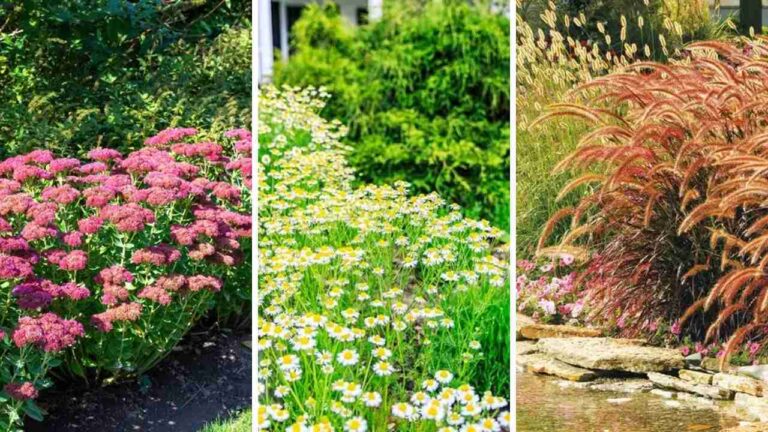
20 Beginner Gardener Mistakes to Avoid
Starting a garden is exciting. It is also easy to feel discouraged when things do not go as planned.
Most beginner gardeners struggle not because they lack talent, but because they make a few very common mistakes early on. The good news is that these mistakes are completely avoidable once you know what to look out for.
This guide walks through the most common beginner gardening mistakes and what to do instead, so you can build confidence, save money, and enjoy the process more.
Key takeaway:
Gardening success comes from simple planning, realistic expectations, and focusing on soil, light, and consistency rather than perfection.
Beginner Gardener Mistakes at a Glance
| # | Common Beginner Mistake | Why It Causes Problems | What to Do Instead |
|---|---|---|---|
| 1 | Ignoring garden light | Plants weaken or fail | Match plants to sun, partial sun, or shade |
| 2 | Shopping without a plan | Wasted money and effort | Observe your space before buying |
| 3 | Growing only one plant | Low learning and motivation | Grow several plants together |
| 4 | Choosing slow crops | Delayed rewards | Start with fast growing greens |
| 5 | Starting with hard plants | High failure rate | Begin with leaves, then roots |
| 6 | Using small pots | Soil dries too fast | Use raised beds or large containers |
| 7 | Poor soil quality | Weak plant growth | Prioritize healthy soil |
| 8 | Filling beds with debris | Long term soil issues | Use quality soil materials |
| 9 | Overwatering | Root rot and disease | Water based on soil moisture |
| 10 | Poor drainage | Suffocated roots | Ensure proper drainage |
| 11 | Expecting perfection | Frustration | Expect variation |
| 12 | Infrequent observation | Problems spread | Check plants regularly |
| 13 | Incorrect spacing | Airflow or growth issues | Follow spacing guidelines |
| 14 | Growing unused food | Wasted harvest | Grow what you eat |
| 15 | Being surprised by pests | Sudden losses | Plan pest protection early |
| 16 | Using pesticides quickly | Kills beneficial insects | Use organic controls first |
| 17 | Relying on synthetic fertilizer | Soil damage | Feed soil naturally |
| 18 | Mulching incorrectly | Hidden pests or blocked seeds | Mulch after plants establish |
| 19 | Copying other gardens | Poor results | Adapt to local conditions |
| 20 | Too much conflicting advice | Confusion | Follow one trusted source |
1. Starting at the Hardware Store Without a Plan
Many new gardeners decide to start gardening and head straight to the store. This often leads to impulse purchases, mismatched plants, and unnecessary tools.
What to do instead
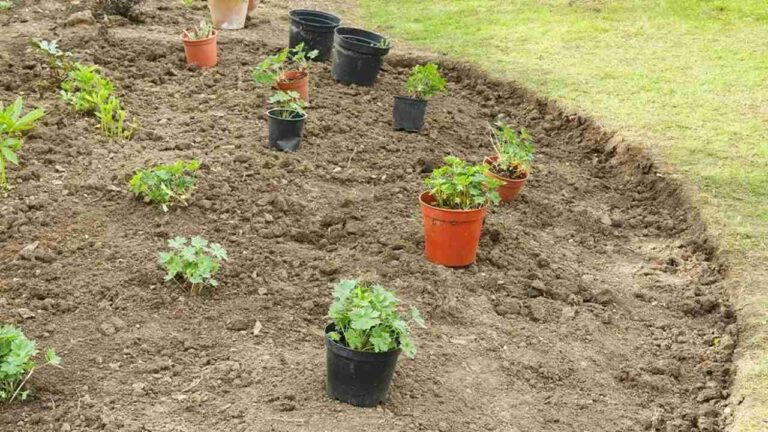
Start at home. Walk your yard or balcony. Notice sun, shade, and available space. Decide what kind of garden you want before buying anything. A simple plan prevents wasted money and frustration.
2. Starting with Only One Plant
Starting small sounds wise, but starting with just one plant often leads to boredom and disappointment. One plant does not show much progress and limits learning.
What to do instead
Grow three to five different plants together. Choose a mix of leafy greens, herbs, or roots. Variety keeps the garden interesting and helps you learn faster.
3. Buying the Cheapest Materials
Cheap garden beds, soil, or tools often need replacing quickly. This can cost more in the long run.
What to do instead
Buy the best quality you can reasonably afford, especially for soil, beds, and structural materials. Strong foundations make gardening easier year after year.
4. Ordering Too Many Seeds
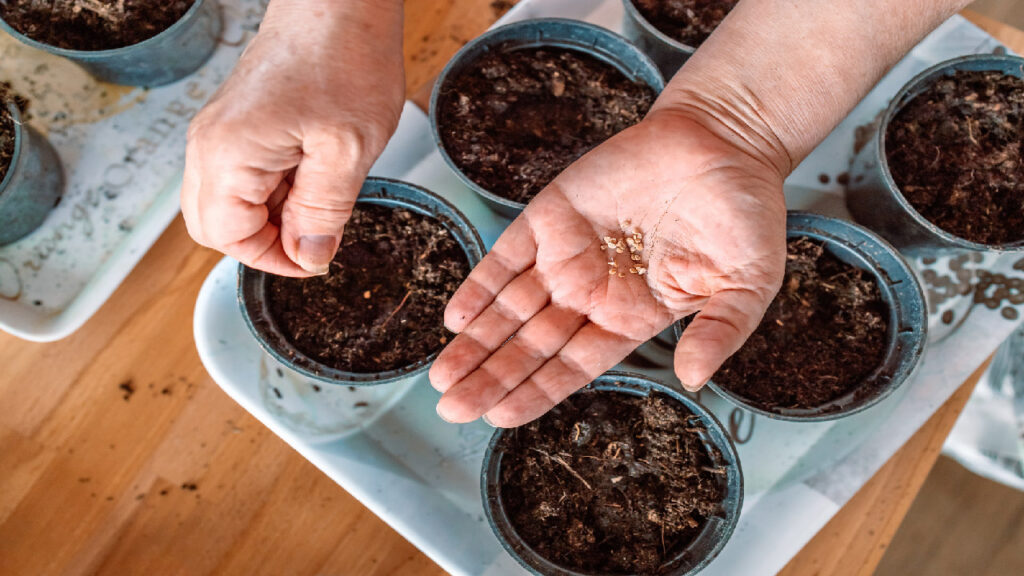
Seed catalogs make it tempting to buy far more seeds than you can realistically grow. This leads to overwhelm and waste.
What to do instead
Start with a short list. Focus on easy crops like salad greens, radishes, carrots, and herbs. Buy only what you know you can plant this season.
5. Starting with Tomatoes Too Early
Tomatoes are popular, but they are not beginner friendly. They need consistent care and take time to produce.
What to do instead
Begin with leafy greens and herbs. They grow quickly and give early wins. Once you feel comfortable, move on to fruiting crops like tomatoes.
6. Growing Everything in Small Pots
Small containers dry out quickly and rely entirely on you for nutrients and water. This makes plants harder to keep alive.
What to do instead
Use raised beds, large containers, or in ground planting when possible. Plants grow better when roots have room to spread and search for water.
7. Expecting Perfection
Gardens are living systems. Weather changes, pests appear, and plants grow unevenly.
What to do instead
Expect change, not perfection. View the garden as something dynamic. Learning comes from observing what works and what does not.
8. Not Connecting Gardening to Your Daily Routine
Gardens need regular attention. When gardening feels separate from daily life, it often gets neglected.
What to do instead
Tie gardening to an existing habit. Spend five minutes checking plants after work or before dinner. Small, consistent care adds up.
9. Growing Food You Do Not Eat
Many beginners choose plants based on appearance rather than actual use. This leads to wasted harvests.
What to do instead
Think about meals you already enjoy. Grow herbs, greens, and vegetables you use often in your kitchen.
10. Not Prioritizing Soil
Plants reflect the health of the soil beneath them. Poor soil leads to weak growth no matter how good the plants are.
What to do instead
Invest in good soil. Use natural materials and organic matter. Healthy soil supports strong roots, better harvests, and fewer problems.
11. Being Surprised by Pests
Wildlife and insects are part of gardening. New gardeners are often shocked when something eats their plants.
What to do instead
Expect pests from the beginning. Use barriers, healthy soil, and plant diversity to reduce damage. Prevention is easier than reaction.
12. Relying on Synthetic Fertilizers
Synthetic fertilizers promise fast growth but often weaken soil health and stress plants over time.
What to do instead
Focus on building soil naturally. Compost, organic amendments, and healthy soil biology provide steady nutrition without harsh chemicals.
13. Covering Everything with Mulch Too Early
Heavy mulch can sometimes hide pests, tie up nutrients, or reduce planting space if applied incorrectly.
What to do instead
Use mulch thoughtfully. In vegetable beds, allow plants to fill in and shade the soil naturally. Living plants can act as natural ground cover.
14. Using Pesticides at the First Sign of Bugs
Not all insects are harmful. Many are beneficial and help control pests naturally.
What to do instead
Learn to identify common garden insects. Encourage beneficial insects and use non chemical methods when intervention is needed.
15. Searching Everywhere for Answers
Watching endless videos or reading conflicting advice can create confusion and inaction.
What to do instead
Find one reliable gardening source that suits your climate and experience level. Apply advice slowly and observe results.
16. Using Pesticides Immediately
Chemicals harm beneficial insects.
What to do instead:
Identify insects and use organic controls first.
17. Relying on Synthetic Fertilizer
Fast growth weakens soil.
What to do instead:
Feed the soil with compost and organic amendments.
18. Mulching Incorrectly
Heavy mulch can hide pests or block seedlings.
What to do instead:
Apply mulch after plants establish and avoid stems.
19. Copying Other Gardens Exactly
Different climates require different methods.
What to do instead:
Adapt ideas to your local conditions.
20. Searching Everywhere for Answers
Too much information leads to confusion.
What to do instead:
Follow one reliable gardening source and adjust slowly.
Start Your Garden the Right Way
Gardening is not about doing everything perfectly. It is about paying attention, learning gradually, and working with nature instead of against it.
Mistakes are part of the process, but many of the most frustrating ones can be avoided with simple planning and patience.
At EcoGardenBloom, we believe gardening should feel steady, rewarding, and achievable. Start where you are, focus on the basics, and let the garden teach you as you grow.