Sun or Shade Garden? Choose the Right Plants for Each Light Level
One of the most common reasons plants fail is incorrect lighting. Before buying plants or planting anything, it is important to understand how much sun your garden actually gets.
Choosing plants based on light levels is one of the easiest ways to grow healthier flowers, enjoy longer blooms, and reduce frustration throughout the season.
This guide helps you identify your garden’s light conditions and choose plants that naturally thrive there.
Key takeaway:
Matching plants to the correct light level leads to stronger growth, better blooms, fewer diseases, and easier garden care overall.
Understanding Garden Light Levels
Garden light is usually grouped into three simple categories. These ranges are flexible, but they provide a reliable starting point for beginners.
Garden Light Levels Explained
| Light Level | Hours of Direct Sun | What It Looks Like |
|---|---|---|
| Full Sun | 6 or more hours | Bright sun most of the day |
| Partial Sun / Partial Shade | 3 to 6 hours | Morning sun or filtered light |
| Shade | Less than 3 hours | Dappled light or bright shade |
Plants perform best when their light needs are met consistently, not occasionally.
How to Tell If You Have Sun, Partial Sun, or Shade
The easiest way to figure out your garden’s light level is simple observation.
On a sunny day, check your garden every one to two hours and note where sunlight lands and how long it stays.
Quick Light Test
| Observation | Likely Light Level |
|---|---|
| Sun all day | Full sun |
| Sun only in morning | Partial sun |
| Mostly shade or filtered light | Shade |
Light changes through the year. Trees fill out and sun angles shift, so it helps to observe light in both spring and summer.
Best Annual Plants for Each Light Level
Annuals add seasonal color and fill gaps quickly, but they depend heavily on proper light.
Sun Loving Annuals
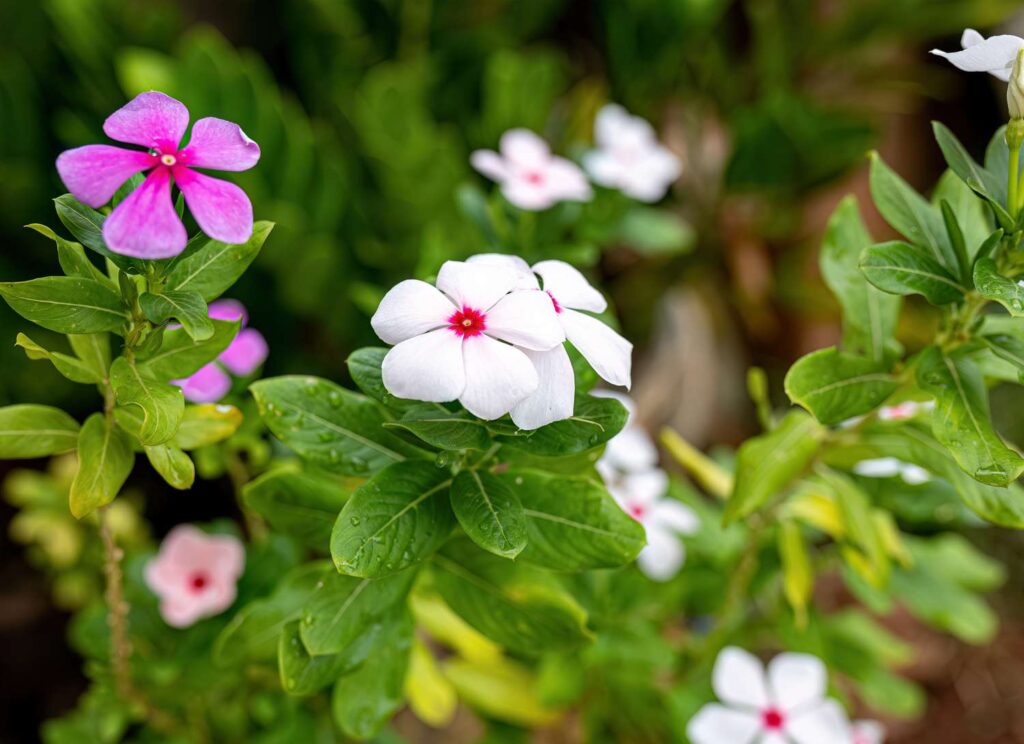
These plants need strong sunlight to bloom well and handle heat.
| Sun Annuals |
|---|
| Dianthus |
| Garden mum (chrysanthemum) |
| Zonal geranium |
| Helichrysum (strawflower) |
| Lantana |
| Marigold |
| Vinca (periwinkle) |
| Zinnia |
Partial Sun Annuals
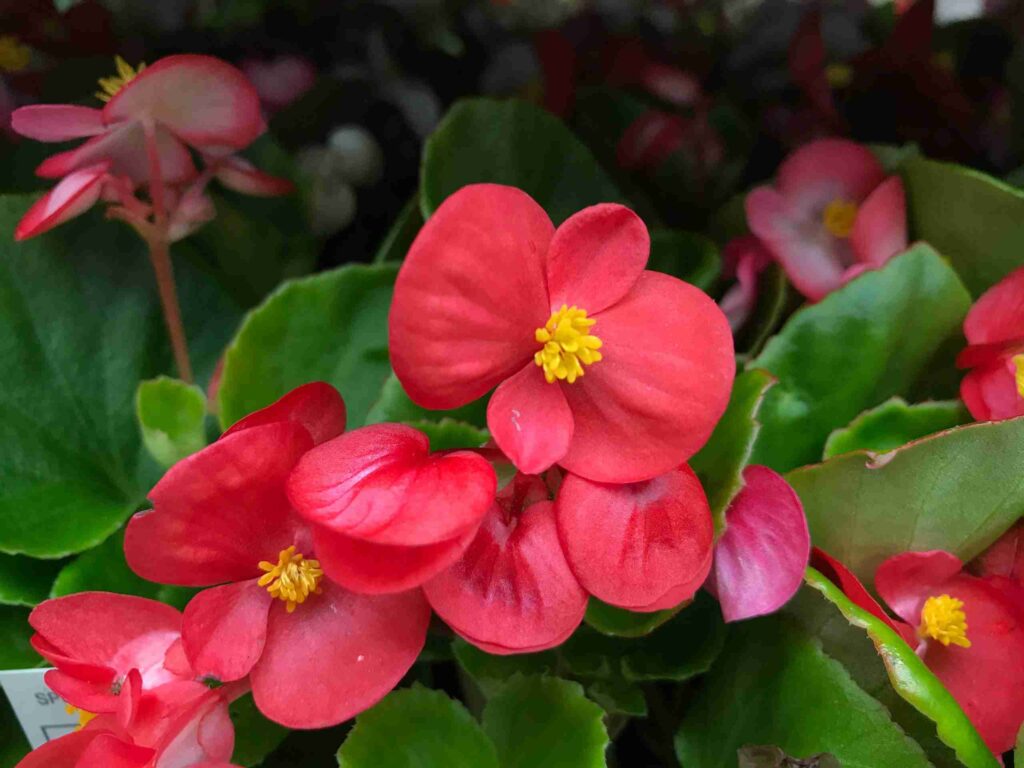
These plants prefer balance and often grow best with morning sun and afternoon shade.
| Partial Sun Annuals |
|---|
| Ageratum |
| Alyssum |
| Aster |
| Bacopa |
| Celosia |
| Dahlia |
| Dusty miller |
| Gazania |
| Hypoestes (polka dot plant) |
| Ivy geranium |
| Lobelia |
| Marguerite daisy |
| New Guinea impatiens |
| Pansy |
| Petunia |
| Phlox |
| Platycodon (balloon flower) |
| Salvia |
| Scaevola (fan flower) |
| Snapdragon |
| Verbena |
| Viola |
Shade Loving Annuals
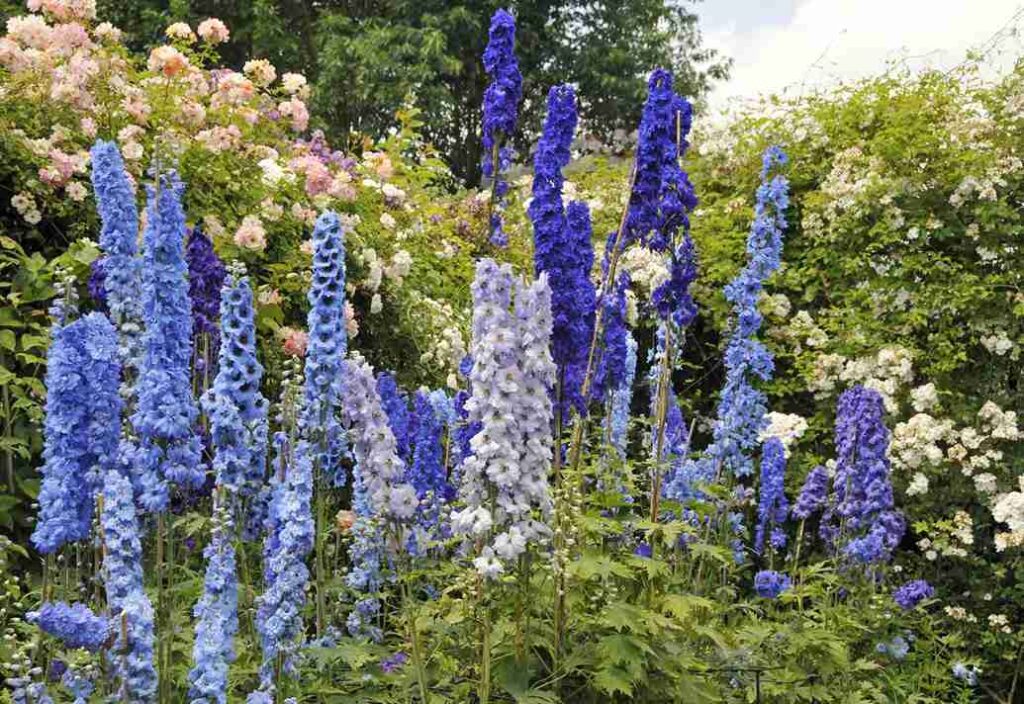
These plants brighten low light spaces and often shine through foliage.
| Shade Annuals |
|---|
| Coleus |
| Double impatiens |
| Boston fern |
| Fuchsia |
| Impatiens (standard and double) |
| Non stop begonia |
Accent Plants by Light Level

Accent plants add height, texture, and trailing interest, especially in containers.
Accent Plants for Partial Sun and Shade
Most accent plants prefer filtered light rather than full sun.
| Accent Plants | Best Light |
|---|---|
| Dracaena spike | Partial sun |
| Sprengerii (asparagus fern) | Partial sun |
| Vinca vine | Partial sun |
| Swedish ivy | Partial sun |
| English ivy | Partial sun to shade |
| German ivy | Partial sun |
| Grape ivy | Partial sun |
| Spider plant | Partial sun to shade |
| Plectranthus | Partial sun |
| Deadnettle (lamium) | Shade |
Beginner Tips for Choosing the Right Plants
- Morning sun is gentler than afternoon sun
- Shade does not mean darkness. Bright shade can still support flowers
- Containers dry faster in full sun than garden beds
- Always check plant tags, especially for new varieties
- Choosing the right light match reduces stress and maintenance
Frequently Asked Questions
How many hours of sun do most plants need?
Most flowering plants need at least six hours of sunlight, but many thrive with partial sun or bright shade when matched correctly.
Can shade plants survive in full sun?
Usually no. Shade plants often scorch or wilt in strong sun, even with extra watering.
Is morning sun better than afternoon sun?
Yes. Morning sun is cooler and less stressful, making it ideal for partial sun gardens.
Can I grow flowers in full shade?
Yes. Many foliage focused plants and some flowering annuals grow well in bright shade.
How do I fix plants planted in the wrong light?
If possible, move them to a better location or replace them with plants suited to that light level.
Bottom Line
Light is one of the most important factors in gardening success.
When you take time to observe your garden’s light and choose plants that belong there, everything becomes easier. Plants grow stronger, blooms last longer, and maintenance feels lighter.
At EcoGardenBloom, we believe the healthiest gardens start with observation and thoughtful choices. Let the sun guide you, and let the garden grow.