Garden Soil 101: A Beginner’s Guide to Growing With Confidence
If you have ever imagined stepping outside to pick fresh herbs, vegetables, or flowers, the soil beneath your feet plays a bigger role than anything else. Many new gardeners give up early, not because they lack patience or skill, but because the soil is quietly working against them.
The good news is that soil can be understood, improved, and supported over time. Gardening is not about perfection. It is about learning how the ground responds and working with it instead of forcing results.
This guide walks through the basics of garden soil, how to understand what you are working with, and how to build a healthy foundation for long term growth.
What Soil Really Is
Soil is more than dirt.
It is a living system made up of mineral particles, decomposing organic matter, air, water, insects, fungi, bacteria, and microorganisms. Together, these elements create an environment that supports plant roots and delivers nutrients slowly and naturally.
When soil is healthy, it supports plants quietly in the background. When it is depleted or compacted, plants struggle no matter how much attention they receive.
Understanding Your Soil Type
Every garden begins with what is already there.
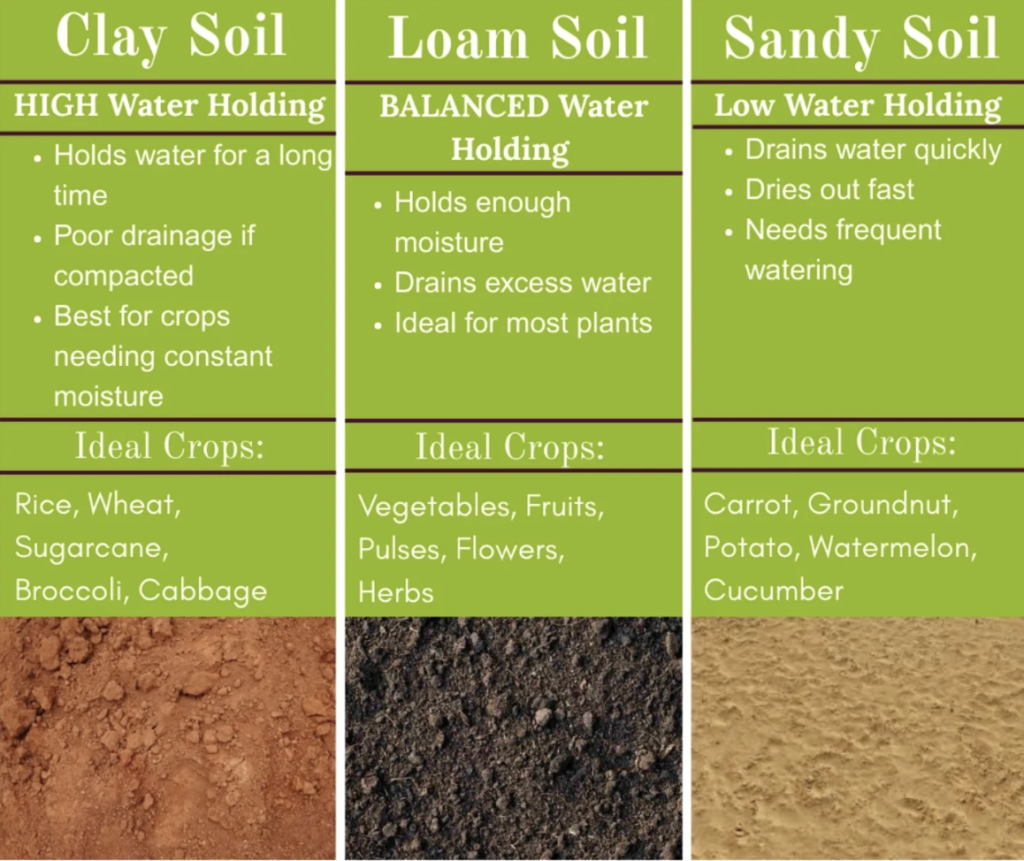
To get a sense of your soil, take a small handful and notice how it feels. Does it crumble easily or hold together tightly? Most soils are made up of a mix of sand, silt, and clay, each contributing different characteristics.
Sandy soil drains quickly and warms early but struggles to hold nutrients.
Clay soil holds moisture and nutrients well but drains slowly and compacts easily.
Silt soil has fine particles that pack tightly, limiting airflow and drainage.
Loam is a balanced mix of sand, silt, and clay and is often rich in organic matter.
Some gardens also include chalky or peaty soil. Chalky soil drains well but lacks organic matter. Peaty soil holds moisture but tends to be acidic and slow to break down organic material.
No soil type is unusable. Each one simply requires a different approach.
Why Soil pH Matters
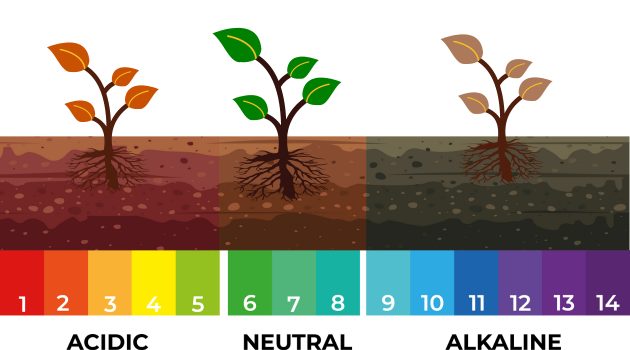
Soil pH affects how plants access nutrients.
Most vegetables, herbs, and flowers grow best in soil with a pH between 6 and 7. This range allows nutrients to remain available throughout the growing season. Soil that is too acidic or too alkaline can limit nutrient uptake even when nutrients are present.
Testing soil pH gives clarity. It helps guide plant choices and informs how soil should be amended.
A simple approach:
Test soil from different areas of your yard. Conditions can vary even within small spaces.
Three Simple Ways to Support Healthier Soil
Soil improves slowly and responds best to gentle, consistent care.
1. Add Organic Matter Regularly
Humus is the dark, nutrient rich material created when organic matter fully decomposes. It improves soil structure, supports beneficial organisms, and helps regulate moisture.
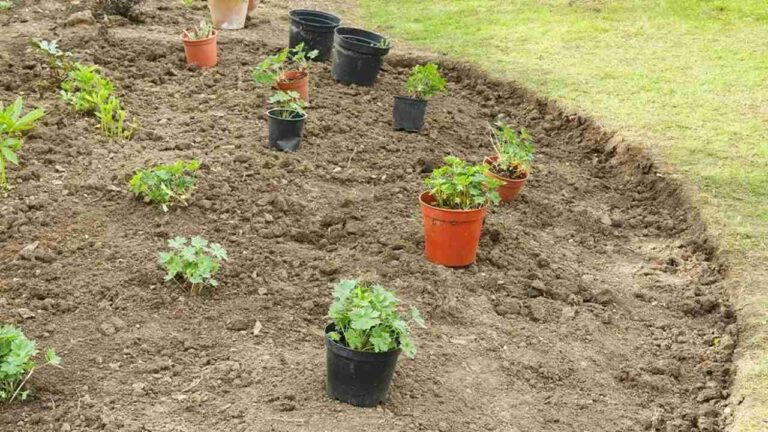
Compost is one of the easiest ways to introduce humus. It can be mixed into new beds or layered on top and allowed to settle naturally.
A steady habit:
Add compost once or twice a year instead of trying to fix everything at once.
2. Use Chemicals Sparingly
Pesticides and synthetic fertilizers disrupt soil life. While occasional intervention may be necessary, regular use reduces microbial diversity and long term soil fertility.
Healthy soil supports plants through natural nutrient cycling and biological balance.
A softer approach:
Encourage earthworms and microorganisms by feeding the soil, not just the plants.
3. Allow Soil to Breathe
Soil that is worked while too wet becomes compacted. Compaction limits airflow, root growth, and microbial activity.
Before planting, let wet soil dry slightly. A simple test is to squeeze a handful. If it holds together and releases water, it needs more time.
Patience here protects soil structure for the entire season.
Garden Soil Starter Checklist
Use this checklist when preparing or refreshing your garden soil.
- Observe soil texture by hand
- Identify your general soil type
- Test soil pH in a few areas
- Choose plants suited to your soil conditions
- Add compost or organic matter
- Avoid fresh manure and synthetic fertilizers
- Ensure proper drainage
- Allow soil to dry before planting
- Refresh soil seasonally instead of replacing it
- Watch how plants respond and adjust slowly
A Thoughtful Way to Garden
Healthy gardens are built from the ground up. When soil is supported, plants grow more resilient, pests become less of a challenge, and maintenance feels lighter.
At EcoGardenBloom, we believe gardening is not about controlling nature. It is about observing, responding, and allowing systems to restore themselves over time.
Care for the soil first. Everything else follows.
Frequently Asked Questions About Garden Soil
What is the best soil for beginner gardeners?
The best soil for beginners is a balanced loam rich in organic matter. A mix of topsoil, compost, and a loosening material like coarse sand supports drainage, root growth, and long term fertility without being high maintenance.
Can I garden successfully with poor soil?
Yes. Most soil can be improved over time. Adding compost regularly, avoiding compaction, and choosing plants suited to your conditions can turn even difficult soil into a healthy growing space.
How often should I improve or replace garden soil?
Soil rarely needs to be replaced. Instead, refresh it each season with compost or natural amendments. This approach supports soil life and maintains structure without disturbing plant roots.
Is bagged garden soil good enough for vegetables?
Some bagged soils work well, but many are designed for containers rather than garden beds. Always check texture and ingredients. If the soil feels overly light, dusty, or full of wood material, it may need blending.
Should I test my soil before planting?
Testing soil pH and nutrients helps guide plant choices and amendments. It is especially useful when starting a new garden or working with unfamiliar soil.
Why do my plants struggle even when I water them?
Poor soil structure, compaction, or imbalance can prevent roots from accessing oxygen and nutrients. Healthy soil supports water movement while allowing roots to breathe.