10 Mistakes to Avoid When Choosing a Garden Soil Mix for Raised Beds
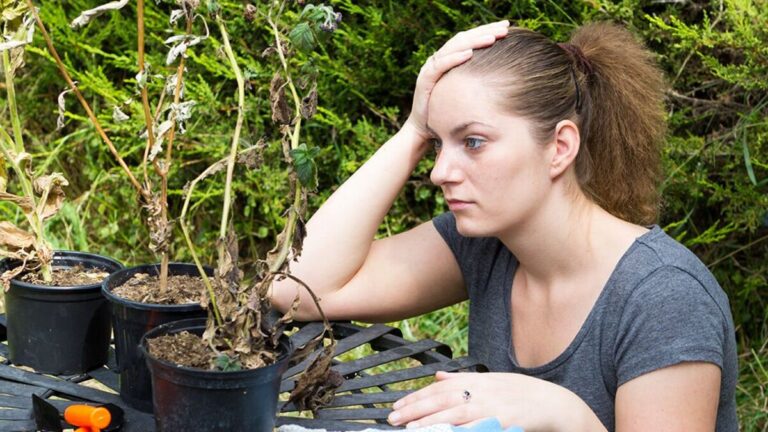
Raised bed gardens often struggle for one simple reason. The soil underneath everything is not doing its job.
You can plant at the right time, water consistently, and choose great plants, but if the soil mix is off, growth will always feel harder than it should. Soil is not just something plants sit in. It is a living system that supports roots, holds moisture, and feeds everything above it.
Here are the five most common soil mistakes gardeners make when filling raised beds, along with gentler, more sustainable alternatives.
Start With Thoughtful, Organic Soil
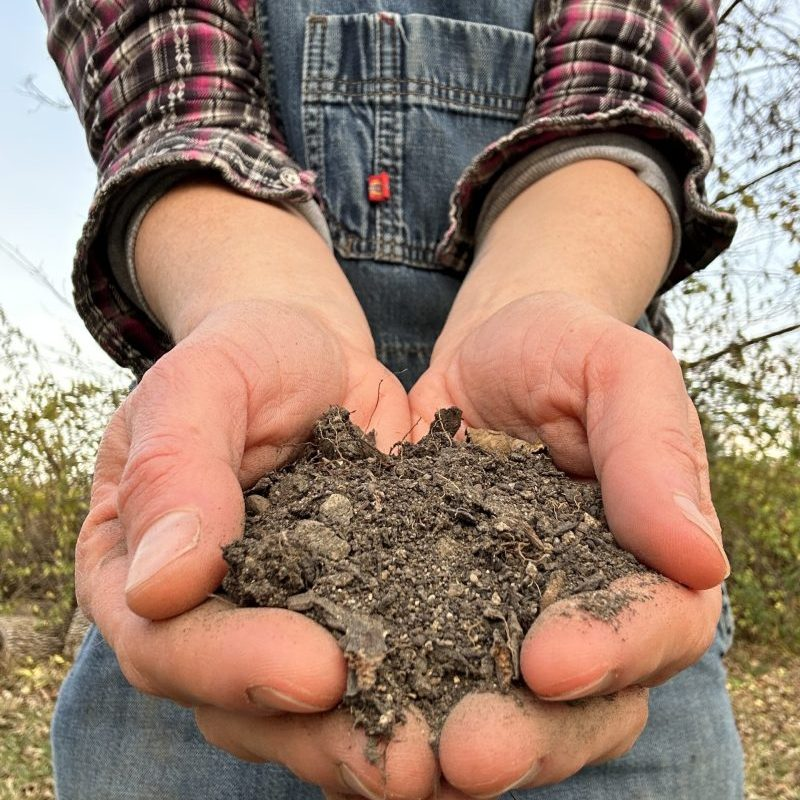
Healthy soil is where every successful garden begins.
When soil lacks balance, structure, or life, plants struggle to absorb nutrients even when everything else seems right. Many garden problems trace back to what went into the bed before the first seed was planted.
Once you understand what to avoid, building good soil becomes much simpler.
Mistake #1
Using Fresh Animal Manure in Vegetable Garden Soil
Manure has a long history in gardening, but timing matters.
Fresh manure contains high levels of ammonia that can damage plant roots. It can also carry pathogens that pose risks when growing edible crops. These issues are easy to avoid, but many gardeners are never told.
Aged or fully composted manure is much safer. It releases nutrients slowly and supports soil life without overwhelming plants.
A gentle approach:
Only use manure that has been composted or aged for several months. Source it from farms that avoid antibiotics and herbicides whenever possible.
Mistake #2
Including Peat in Your Soil Blend
Peat creates light, moisture holding soil, which is why it appears in many commercial mixes. However, peat is not a renewable resource.
Peat bogs take thousands of years to regenerate. Harvesting them releases stored carbon into the atmosphere and disrupts fragile ecosystems. From a long term perspective, peat is not aligned with sustainable gardening.
There are better options that support both plant health and the environment.
A gentler alternative:
Use compost, leaf mold, or coarse sand to improve soil texture without relying on peat.
Mistake #3
Filling Raised Beds with Straight Compost
This mistake surprises many gardeners.
Compost is rich and full of nutrients, but it lacks the structure most vegetables need to anchor strong roots. Over time, plants growing in pure compost can become unstable or struggle to produce consistently.
Compost works best as part of a blend, not the entire foundation.
A better balance:
Combine compost with topsoil and a loosening material so roots have both nutrition and support.
Mistake #4
Adding Synthetic Fertilizers to Soil Mixes
One of the reasons people grow food at home is control. Synthetic fertilizers take that control away.
These products disrupt soil biology, alter pH levels, and often lead to salt buildup that weakens soil over time. While plants may grow quickly at first, long term fertility declines.
Healthy soil feeds plants slowly and steadily.
A more sustainable approach:
Rely on compost, worm castings, and natural amendments that nourish soil life instead of replacing it.
Mistake #5
Leaving Large Amounts of Wood Chips in Soil Blends
Wood chips often sneak into soil mixes without warning.
While wood eventually breaks down, the process consumes nitrogen. This creates competition between decomposing material and plant roots, slowing growth during the most important stages.
This issue is especially common in bulk soil deliveries.
What to look for:
Choose soil blends with minimal visible wood content, especially in the top layers of raised beds.
Mistake #6
Ignoring Drainage When Choosing a Soil Mix
Good soil holds moisture, but it should never stay soggy.
Poor drainage is one of the fastest ways to stress plant roots. When water cannot move through the soil, roots struggle to breathe, and disease becomes more likely. This happens often when soil mixes are too dense or too fine.
What to watch for:
If water pools on the surface or takes hours to soak in, drainage needs improvement.
A better approach:
Use a blend that includes coarse materials like sand or well broken down organic matter to create air pockets.
Mistake #7
Using Only Bagged Soil Without Knowing What Is Inside
Bagged soil feels convenient, but not all bags are created equal.
Some mixes contain fillers, excess wood material, or low nutrient content. Others are designed for containers, not raised beds. Without checking the label or texture, it is easy to end up with soil that looks good but performs poorly.
What to watch for:
Soil that feels overly light, dusty, or full of undecomposed material.
A gentler habit:
Open the bag, feel the texture, and smell the soil before using it across the entire bed.
Mistake #8
Forgetting That Soil Changes Over Time
Soil is not a one time setup.
Over seasons, nutrients are used, organic matter breaks down, and texture shifts. Many gardeners fill their raised beds once and never revisit the soil again, then wonder why growth slows.
What helps:
Healthy soil needs small, regular care rather than complete replacement.
A sustainable practice:
Refresh the soil surface each season with compost and natural amendments instead of starting over.
Mistake #9
Overloading Soil With Too Many Amendments at Once
More is not always better.
It is tempting to add everything at the start compost, manure, minerals, fertilizers. This can overwhelm soil biology and throw nutrient balance off quickly.
What to remember:
Plants grow best when nutrients are released slowly.
A calmer approach:
Start with a simple, balanced blend and adjust gradually based on how plants respond.
Mistake #10
Not Matching Soil Mix to What You Are Growing
Different plants ask for different soil conditions.
Leafy greens prefer moisture holding soil. Root crops need looser structure. Fruiting plants benefit from deeper, well aerated beds. Using one generic mix without considering plant needs can limit results.
What works better:
Think about what you are growing before finalizing your soil.
A small shift:
Adjust texture and depth slightly depending on whether you are growing roots, leaves, or fruits.
How to Avoid These Problems Before They Start
One of the simplest ways to prevent soil mistakes is to test before committing.
Instead of ordering large amounts immediately, start with a small quantity. Feel the texture. Smell the soil. Plant a few seeds and observe how they respond.
This small pause can save seasons of frustration.
A Balanced Soil Blend for Raised Bed Vegetables
After working with many garden soils, one balanced approach consistently supports healthy growth.
A simple, sustainable blend includes:
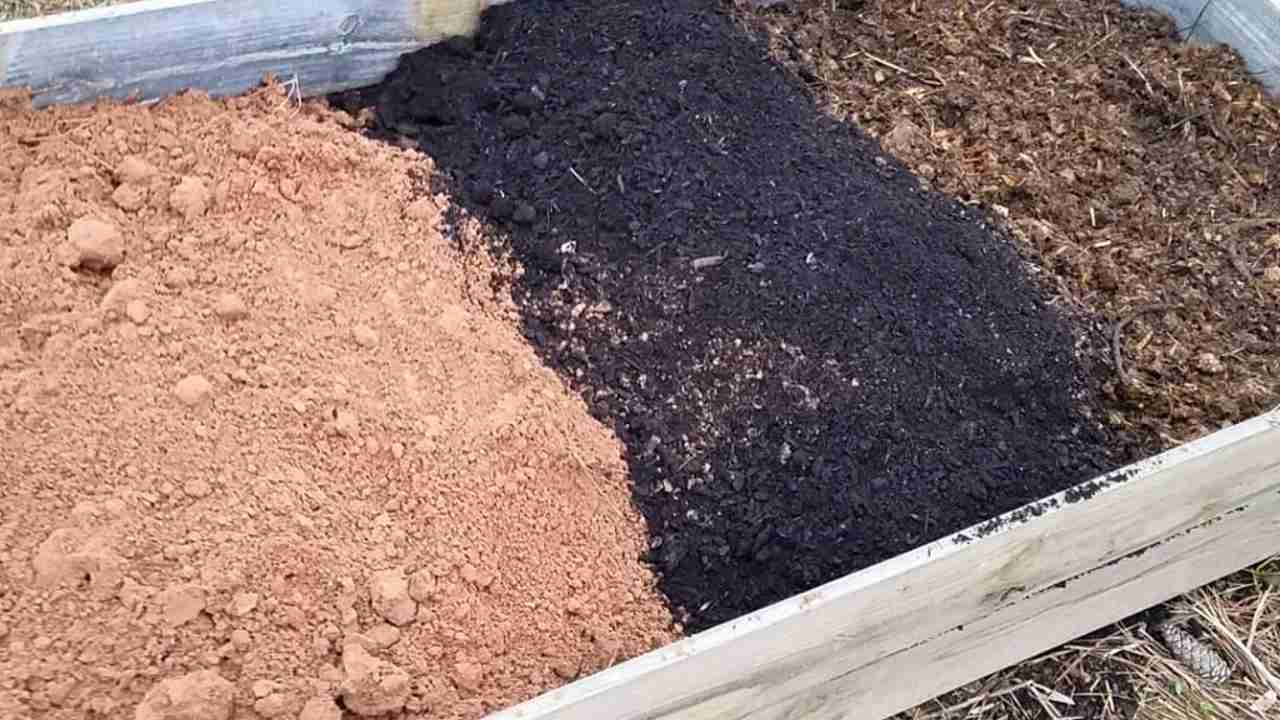
- One third topsoil for structure
- One third coarse sand to improve drainage and airflow
- One third finished organic compost for nutrients
- A small amount of worm castings or aged manure
This creates a loose, moisture holding soil that supports roots without relying on peat or synthetic inputs.
Each season, refresh the surface with compost and natural amendments rather than disturbing the entire bed. This keeps soil life active and resilient.
Healthy Soil Makes Gardening Easier
Most garden struggles are not caused by lack of effort. They come from soil that cannot support growth long term.
When soil is balanced, plants resist pests better, require less intervention, and grow more consistently. Gardening becomes calmer and more intuitive.
At EcoGardenBloom, we believe soil care is an act of patience and respect for the systems that support our gardens.
Build the soil first. The rest follows naturally.