27+ Creative Bucket Gardening Ideas to Transform Your Space
Bucket gardening is one of those things that sounds almost too easy, but then you try it and you are like… wait, why did I not do this sooner. If you are working with a balcony, a tiny patio, or even just a sunny corner by the door, buckets let you grow real plants without needing a whole yard.
If you are here because you want bucket gardening ideas that actually work, you are in the right place. I am going to walk you through soil, watering, pests, veggies, and a few setup tricks that make bucket gardens feel way less fussy and way more fun.
Soil Mix Essentials for Bucket Gardens
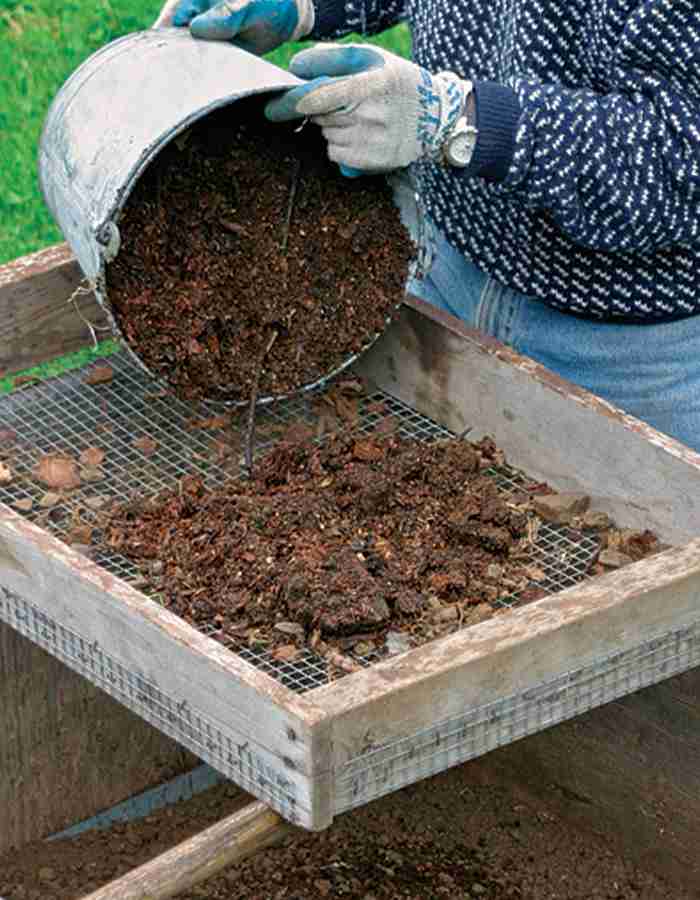
Okay, soil is the part that quietly decides if your bucket garden is going to thrive or just kind of exist. Buckets are not like garden beds where the ground can balance things out. Whatever you put in there is the whole world for your plant, so the mix matters.
I usually start with a quality potting soil, not backyard dirt. Potting soil stays lighter, which helps roots breathe. Then I mix in compost for nutrients, like a little comfort meal for your plants. If I have it, I toss in perlite or vermiculite too because buckets can get weird with drainage if the soil packs down.
And yes, fertilizer helps, especially once your plants start growing fast and using up what is in the soil. Slow release fertilizer is the easiest because you mix it in once and it feeds little by little. When things look like they need an extra push, a liquid fertilizer every couple weeks can bring them back to life.
The biggest sign your soil mix is off is when it stays soggy or turns into a hard brick. You want it to feel fluffy, hold moisture, and still drain. That sweet spot makes everything else easier.
Creating a Vertical Bucket Garden
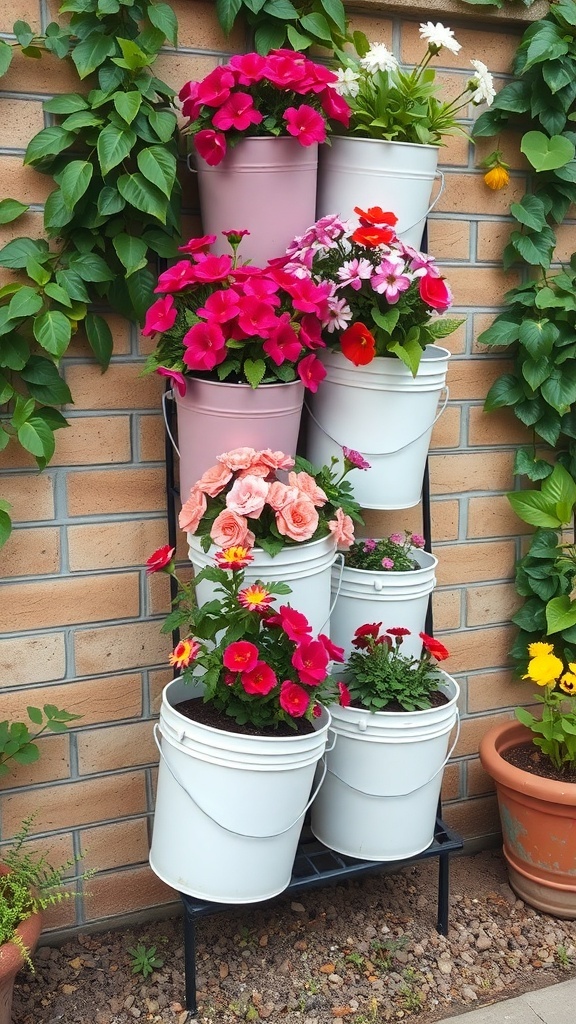
Vertical bucket gardening is my favorite trick for making a small space feel like a real garden. You get all this color and texture without taking up your whole floor. It is like stacking your little plant dreams upward.
You can do this on a sturdy plant stand, a wall shelf, or even a strong rack. Just make sure it can hold weight because wet soil is heavy. I also like keeping the thirstier plants lower, since water drips down and it helps a little.
One thing that makes vertical buckets look extra cute is mixing leaf shapes. Something trailing, something upright, and something fluffy in the middle. Flowers are gorgeous, but you can totally do herbs too if you want it to be both pretty and useful.
Just do not skip drainage holes. I know I sound like a broken record, but buckets with no drainage are basically a root rot invitation.
Herb Gardening in Buckets
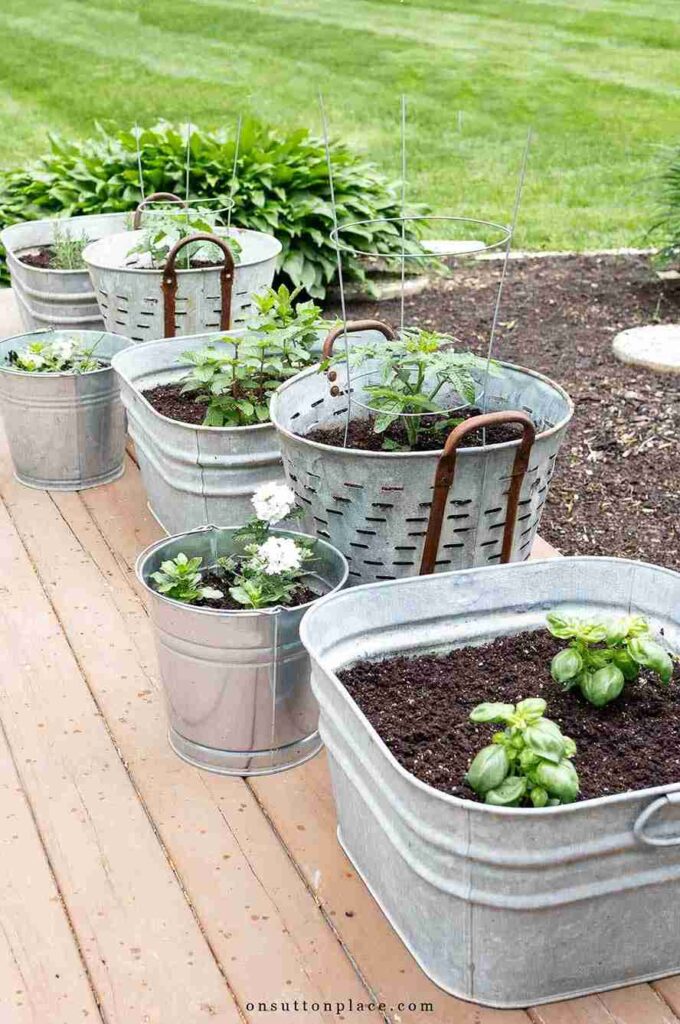
Growing herbs in buckets is one of those small joys that makes cooking feel way more special. Like you step outside, clip a little basil, and suddenly dinner feels like you tried harder than you did.
Herbs also love buckets because you can move them around. Basil and rosemary want sun, mint will take over if you let it, and parsley is usually chill. I keep mint in its own bucket because it is that friend who overstays their welcome.
If you are new to bucket gardening, start with 2 or 3 herbs you actually use. It is way easier to keep up with watering when you are excited to harvest.
Quick tip from my own trial and error: pinch the tops of basil and similar herbs often. It makes them bushier instead of tall and sad.
Watering Techniques for Bucket Gardens
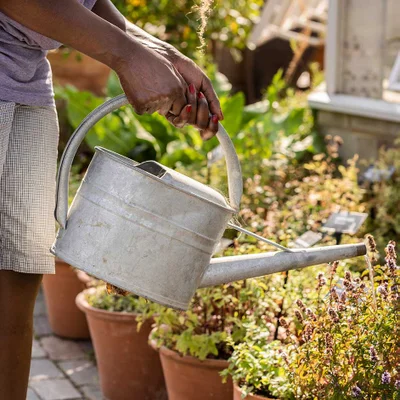
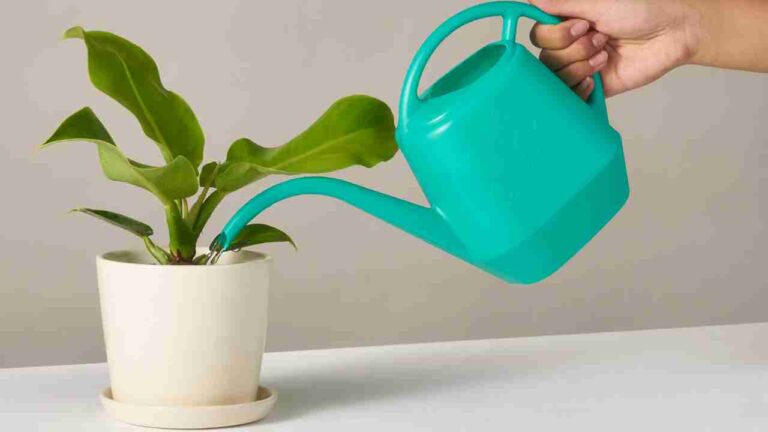
Watering buckets is different from watering the ground because buckets dry out faster, especially in hot sun. But they can also stay too wet if drainage is poor. So it is a little balance game.
I like watering slowly until I see water drip out of the bottom holes. That is how I know the whole bucket got a drink, not just the top inch of soil. If water runs straight through instantly, your soil might be too loose or dried out and pulling away from the sides.
Morning watering is my go to because the plants get what they need before the day heats up. If you water in the middle of the day, a lot of it evaporates, and the leaves can sometimes burn if they stay wet in strong sun.
If you are unsure, stick your finger into the soil. If it is dry a couple inches down, water. If it is still damp, let it chill.
Companion Planting in Buckets
Companion planting in buckets is like setting up good friendships. Some plants bring out the best in each other, and some are just going to fight for space.
Tomatoes and basil are the classic duo. Marigolds are another one I like because they help with pests and they make everything look happy. You can also pair leafy greens with herbs in separate buckets next to each other if you do not want to crowd them.
Labeling buckets is such a small thing but it helps a lot. When you are juggling different plants, it is easy to forget what you planted where, especially once everything starts looking leafy.
Just keep in mind that plants sharing space need similar watering and sun. If one likes it dry and one likes it moist, they are not going to be besties.
Choosing the Right Buckets for Gardening
Not all buckets are equal, and I learned this after trying to grow tomatoes in something way too small. The bucket size decides how big the roots can get, which decides how big the plant can get.
For herbs and flowers, smaller buckets work fine. For tomatoes, peppers, or anything that grows tall, go bigger. If you are using repurposed buckets, just make sure they are clean and food safe if you can.
Drainage holes are the most important part. Drill a few in the bottom, and if you want extra protection, add a thin layer of small rocks at the very bottom before soil. It is not required, but it can help if you tend to overwater.
Also, a little aesthetic moment never hurts. Painted buckets, mixed colors, cute labels, it makes the whole setup feel more like a space you want to spend time in.
Pest Management Strategies for Bucket Gardens
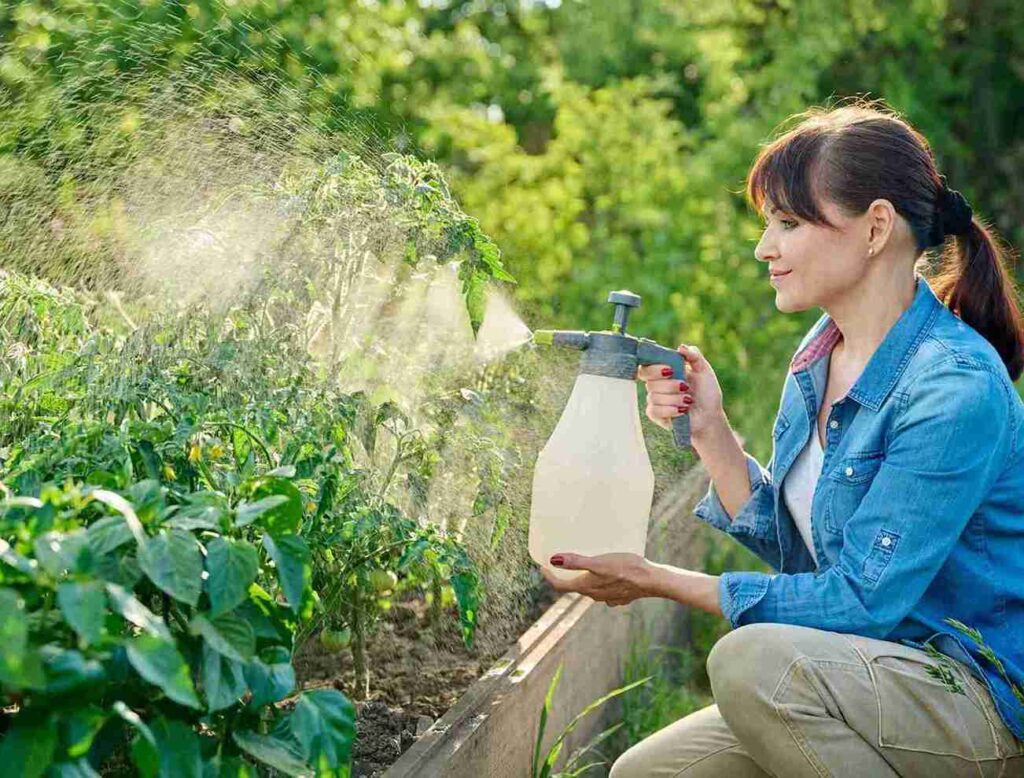
Pests in bucket gardens can sneak up fast, so I try to do quick little check ins. Like a casual walk by with a coffee, peek under leaves, make sure nothing is chewing holes in everything.
If I see aphids or little annoying bugs, I go gentle first. A spray of soapy water works surprisingly well, and neem oil is great too. Garlic spray also helps if you want something simple and natural.
I also love inviting the helpful bugs in. Ladybugs and lacewings feel like tiny garden security guards. Planting flowers nearby helps attract them, which is kind of the easiest pest control in the long run.
And if bigger pests are the issue, mesh or a light cover can protect your buckets without making it complicated.
Best Vegetables to Grow in Buckets
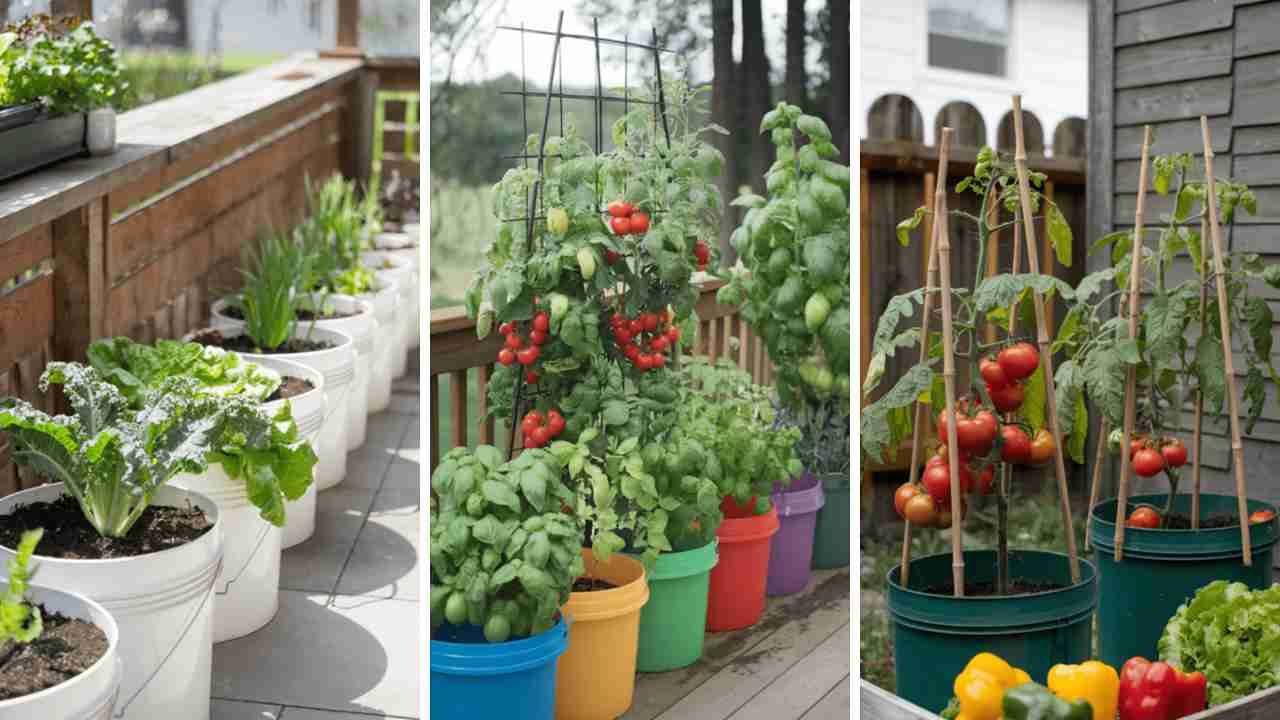
If you want vegetables, buckets can totally deliver. Tomatoes are the obvious favorite because they love warmth and sun, and they actually do well in containers when the bucket is big enough.
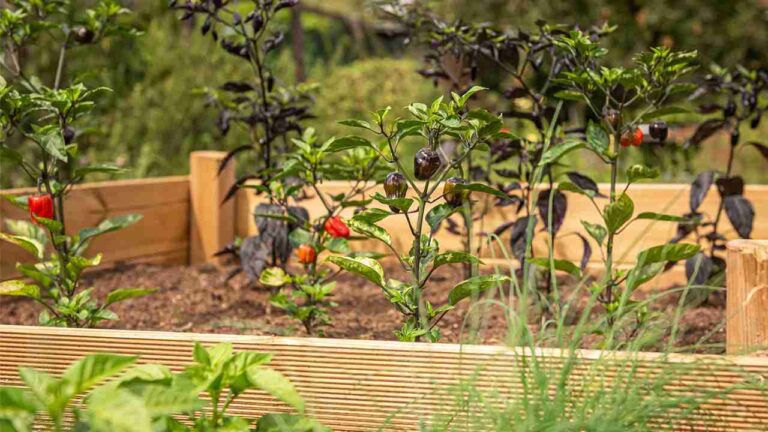
Peppers are another great one because they stay pretty compact and still give you a good harvest. Leafy greens like lettuce and spinach are easy too, especially if you want quick wins that grow fast.
Radishes are the beginner friendly choice. They sprout fast, grow fast, and they make you feel like a gardening genius in a few weeks.
Just keep sun in mind. Most veggies want at least 6 hours of light. If your space is shadier, stick with greens and herbs.
DIY Bucket Garden Projects
DIY bucket gardens are such a good weekend project. It is low pressure, and you can make it as cute or as simple as you want.
My favorite upgrades are the easy ones. Paint the bucket, add a label, set it on a little stand so it looks intentional. Even lining up matching buckets instantly makes a space look more put together.
If you want to get fancy, you can build a small wood frame to hold multiple buckets, or hang lighter ones on a rack. Just keep weight in mind once you add soil and water.
And honestly, using what you already have is part of the charm. Recycled buckets, leftover paint, mismatched containers, it can still look adorable.
Seasonal Bucket Planting Calendar
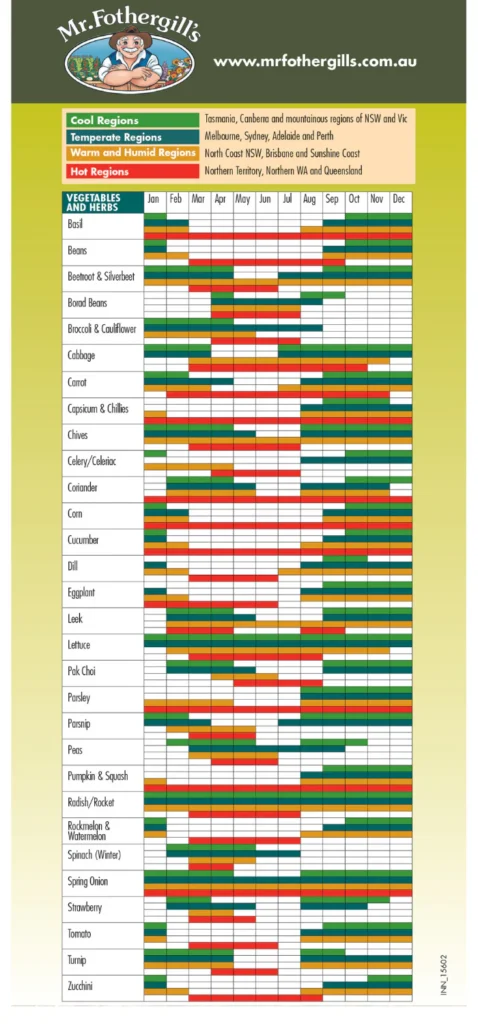
Having a seasonal rhythm makes bucket gardening feel way less random. You do not have to follow a strict calendar, but it helps to think in seasons so your buckets always have something going on.
Spring is for pansies, marigolds, and herb starts. Summer is when zinnias, sunflowers, tomatoes, and peppers are living their best life. In fall, mums and cool weather greens are the vibe.
If you like keeping things simple, pick one bucket for flowers, one for herbs, and one for veggies. Then rotate what is inside based on the season.
Decorative Ideas for Bucket Gardens
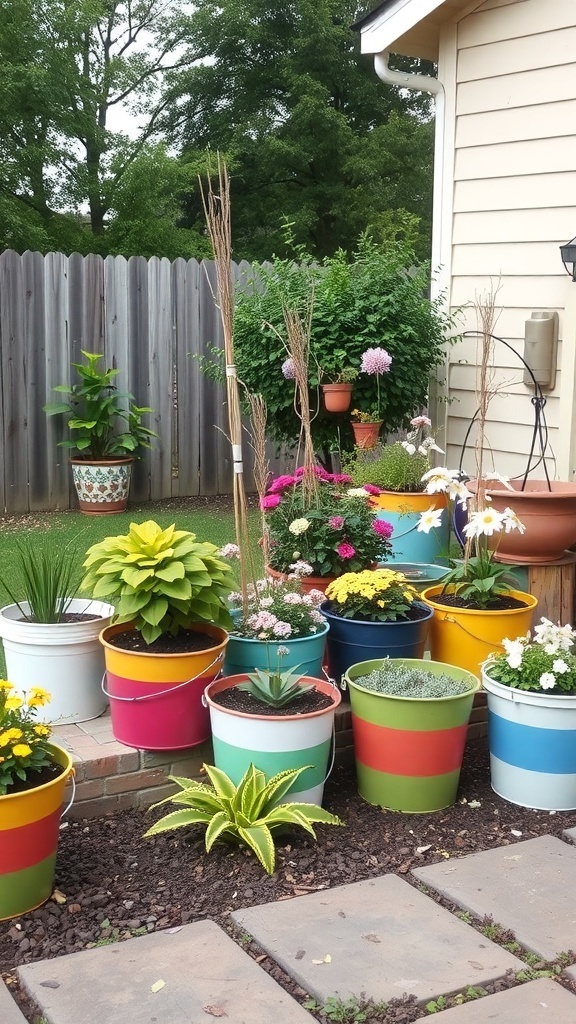
This is the fun part, because bucket gardens can look playful without trying too hard. Bright buckets, mixed sizes, and different leaf textures make everything feel lively.
Grouping buckets in little clusters works better than spacing them out randomly. Put taller plants in the back, shorter in the front, and add one trailing plant to soften the edges. It instantly looks styled.
Fairy lights around the base at night are such a vibe, especially on balconies. You can also add decorative stones on top of the soil to make it look cleaner and help with moisture.
And if you love seasonal decorating, swap plants like you would swap pillows. It keeps your space feeling fresh without buying new everything.
Harvesting Techniques for Bucket-Grown Plants
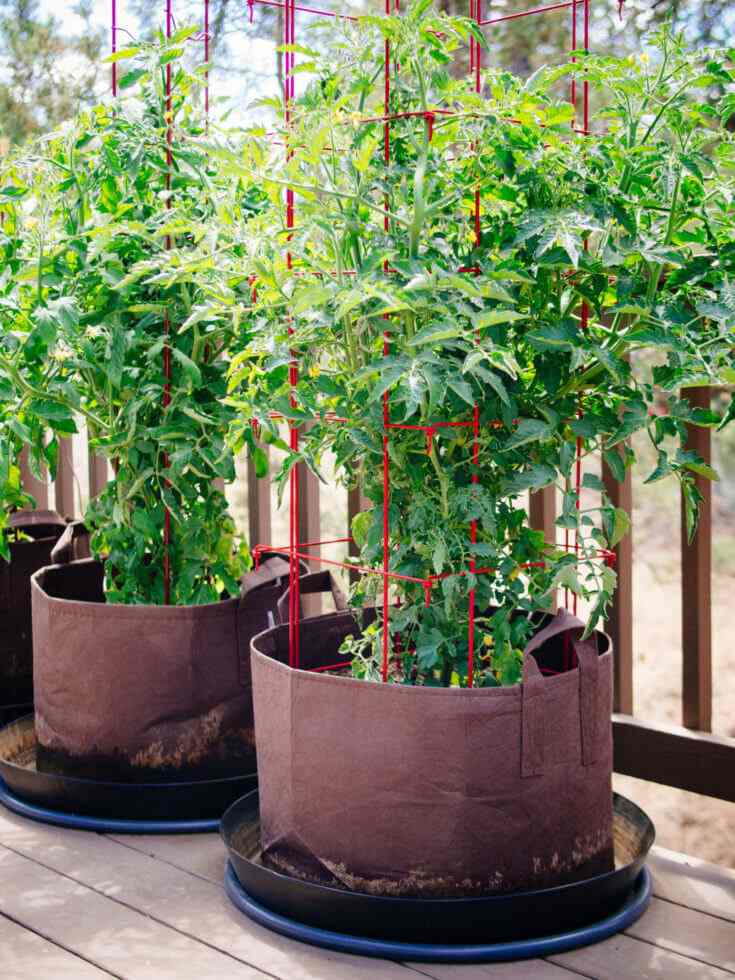
Harvesting from buckets feels so satisfying because everything is right there at your height. No crawling around, no digging through huge beds. Just you and your little plant babies showing off.
Timing matters though. Tomatoes taste best when they are fully colored and slightly soft. Leafy greens are better when they are young and tender. Herbs taste stronger when you harvest in the morning.
Use scissors or snips for clean cuts. Pulling can tear stems and stress the plant, and I am not trying to hurt anyone after all that care.
Also, check often. Zucchini can go from cute to huge overnight. Buckets make it easier to spot things, but plants still love surprising you.
Bucket Gardening for Small Spaces
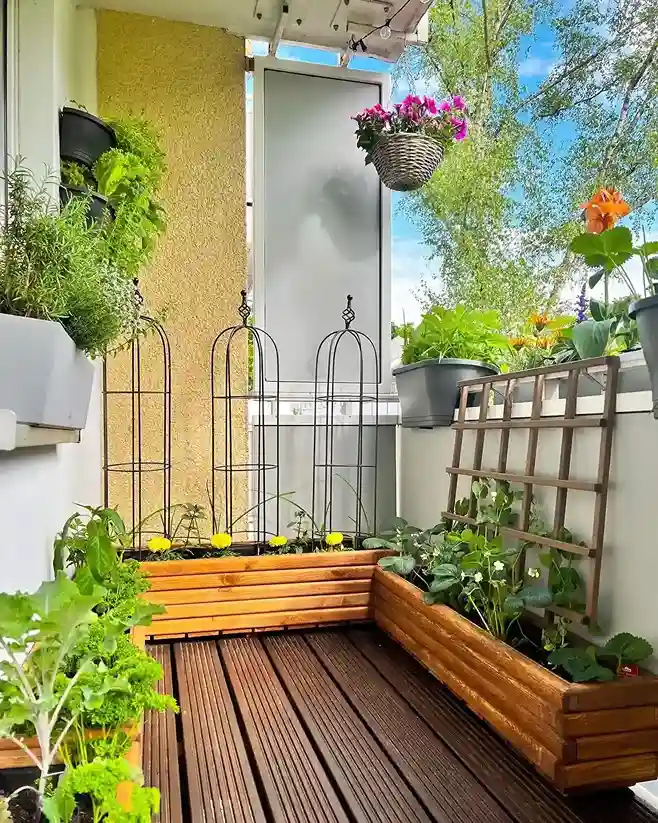
If you feel like your space is too small to garden, buckets are the workaround. You can tuck them into corners, line them along railings, and cluster them by the door. It adds greenery without stealing your whole living area.
I like using matching buckets for a clean look, then adding one or two bold colored ones as accents. It makes a tiny space feel styled instead of cluttered.
Just focus on what your space can support. If you only get a few hours of sun, pick plants that do not get dramatic about it. Herbs and greens are usually forgiving.
And because buckets are portable, you can always chase the light as seasons shift. That flexibility is the whole win.
Winter Care for Bucket Gardens
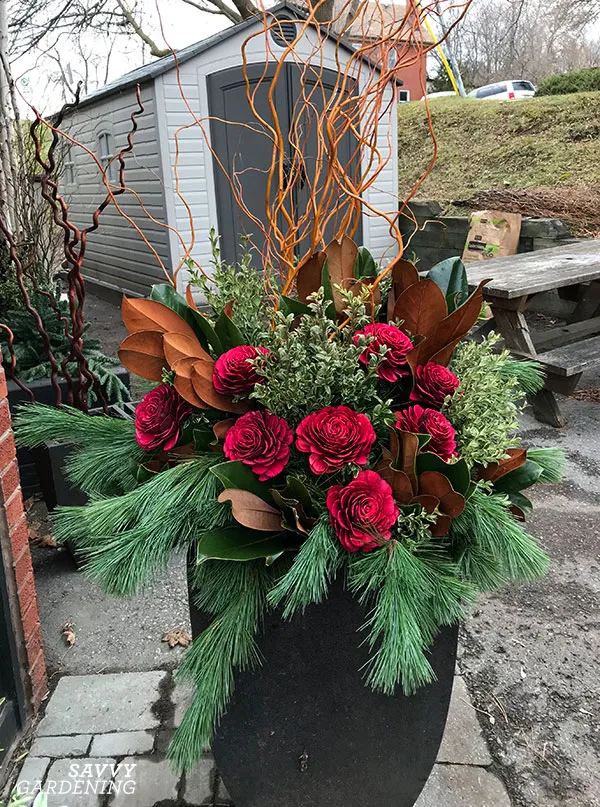
Winter can feel like the end of everything, but bucket gardens are actually easier to protect than in ground plants because you can move them. That alone is such a relief.
If you get harsh cold, wrap buckets in burlap or an old blanket to help insulate roots. Cover plants with breathable fabric if the nights get especially chilly. The idea is protection, not sealing them up so tight they cannot breathe.
Move buckets near a wall, under a roof overhang, or anywhere sheltered from wind. Wind is what really dries and freezes things fast.
Water less, but do not ignore them completely. Soil can still dry out in winter, especially in containers. Just keep it lightly moist, not soaked.
Using Fertilizers in Bucket Gardening
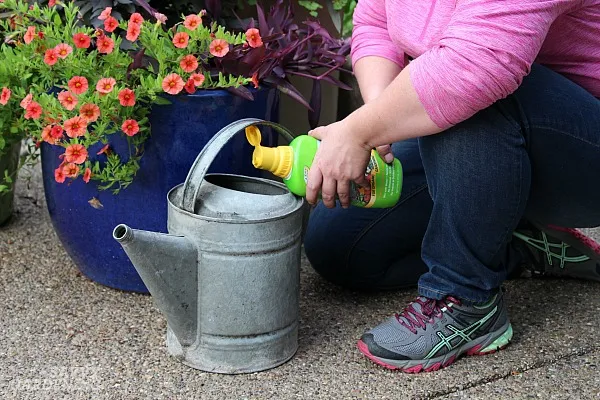
Fertilizer is basically the snack bar for your plants. Buckets are limited, so nutrients run out faster than they do in the ground, especially once things start growing like crazy.
I like organic fertilizers because they feel gentle and steady. Compost, worm castings, and organic blends are all great. Slow release fertilizer is easiest because you do it once and relax.
If you use liquid fertilizer, go light. It is better to feed a little more often than to dump too much at once. Over feeding can burn roots, and then you are stuck trying to fix a problem you did not need.
When plants start looking pale, growing slowly, or not flowering like they should, that is usually a sign they want more nutrients.
FAQs
How many drainage holes should I drill in a bucket?
I usually do 6 to 10 holes spaced out across the bottom. If the bucket is bigger, add a few more. You want water to drain easily, not pool.
What size bucket is best for vegetables?
For tomatoes and peppers, go with a 5 gallon bucket if you can. Smaller veggies and greens can grow in smaller buckets, but bigger buckets make watering less stressful.
Can I use regular garden soil in buckets?
I would not. Garden soil gets heavy and compact in containers. Potting soil with compost stays lighter and drains better, which your roots will appreciate.
How often should I water a bucket garden?
It depends on heat, sun, and plant type, but in warm weather it can be daily. The easiest way is checking the soil a couple inches down. If it is dry, water.
Why are my bucket plants wilting even when the soil is wet?
That can happen when roots are stressed from too much water and not enough air. Check drainage holes, lighten your soil mix with perlite, and let the soil dry slightly before watering again.
Do bucket gardens need fertilizer?
Most of the time yes, especially for vegetables. Because buckets hold limited soil, nutrients get used up faster. Slow release fertilizer plus occasional liquid feeding usually keeps plants happy.
Conclusion
Bucket gardening is honestly one of the easiest ways to bring more green into your life without committing to a whole backyard setup. Once you get the soil right, add drainage, and figure out your watering rhythm, everything starts feeling simple and kind of addictive in the best way.
If you try even a couple buckets with herbs or a tomato plant, you will see what I mean. It is cozy, practical, and it makes your space feel more alive. Start small, tweak as you go, and let your bucket garden grow with you.