21 Inspiring Rain Garden Design Ideas You’ll Love
Hey girl! I was just sitting on my porch watching the clouds roll in and thinking about how much I used to stress over those soggy, muddy patches in the yard. It’s funny how we can turn a “problem area” into something that literally feeds the earth and looks like a Pinterest dream at the same time.
If you’ve been looking for a way to deal with runoff without it feeling like a massive, boring chore, you are in the right place. We’re diving into some gorgeous rain garden ideas that’ll make your heart happy every time it pours.
You’re going to walk away with a ton of inspiration to turn that damp corner of yours into a lush, living sanctuary that works with nature instead of against it.
Why I’m Finally Embracing the Muddy Season
You know how I usually get a little “meh” when the rainy season hits because everything just feels gray and messy? Well, I’ve completely shifted my vibe lately. I started realizing that all that water is a gift, especially for our local plants and the little winged relatives that visit us.
There’s something so grounding about planting things that actually want to be there, like they’re meant to soak up every drop. I’m all about those easy, low-maintenance wins these days because, honestly, who has time for fussy plants that need constant coddling?
I’ve been leaning into these practical, earth-friendly designs because they make me feel connected to the land without having to spend every weekend with a shovel in my hand. It’s all about creating a space that feels lived-in and intentional.
I grabbed my notebook and pulled together a few of my favorite looks that I think would look absolutely amazing in your space too.
Lush and Practical Rain Garden Ideas for Your Sanctuary
Creating a Wildlife Habitat in Rain Gardens
Can we just talk about how magical it is to see butterflies catching the sun in your own backyard? I’m obsessed with this setup because it turns a functional drainage spot into a literal buffet for our local pollinators.
When you go with native plants, you’re basically putting out a welcome mat for birds and bees. It’s so much more than just “landscaping”—it’s like you’re helping the whole neighborhood’s ecosystem breathe a little easier.
I’d honestly just set up a lawn chair nearby and watch the show. There’s something so peaceful about that mix of bright orange wings and deep green leaves while the water does its thing in the soil.
Seasonal Color Variation in Rain Gardens
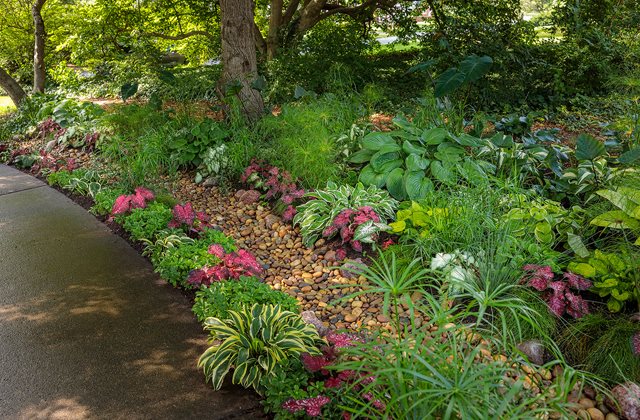
I love a garden that has “moods,” don’t you? This approach is all about making sure there’s a pop of color no matter what time of year it is, so you aren’t just looking at a brown patch in the off-season.
Mixing up perennials and annuals is the secret sauce here. You get those reliable “old friends” coming back every year, but you can still sprinkle in some new vibes whenever you feel like changing things up.
It’s like a living tapestry that keeps evolving. I’m a sucker for those bright daisies—they just look so cheerful even when the sky is totally overcast.
Water Feature Integration: Ponds and Fountains
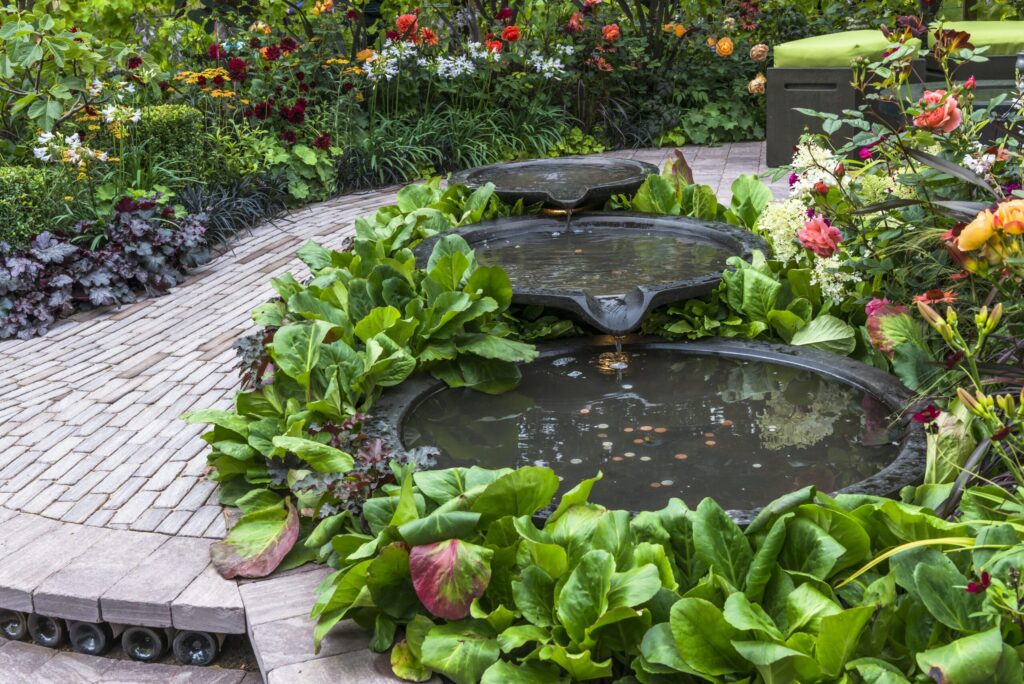
If you really want to lean into that spa-at-home feeling, adding a little pond or a fountain is a total game changer. The sound of trickling water is lowkey the best therapy after a long day at work.
The lily pads are such a vibe, right? They add that layered, floating aesthetic that makes the water feel so deep and mysterious, even if it’s just a small feature in your yard.
Plus, a fountain keeps the water moving so it stays fresh and clear. It’s the perfect focal point if you have a spot where the ground naturally dips and wants to hold onto that rain.
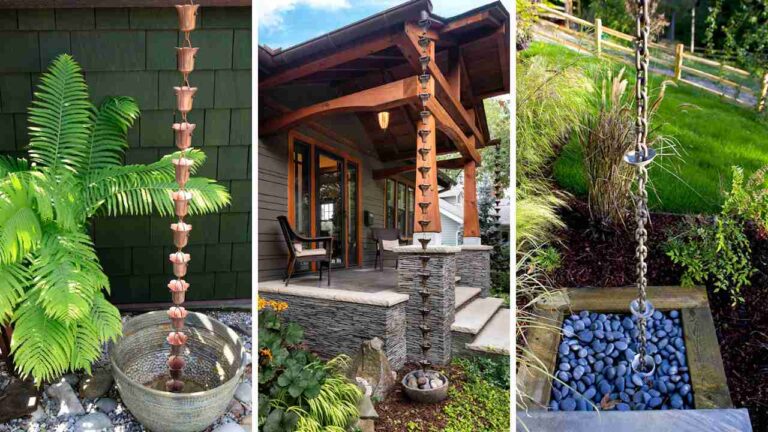
Utilizing Rain Barrels for Water Management
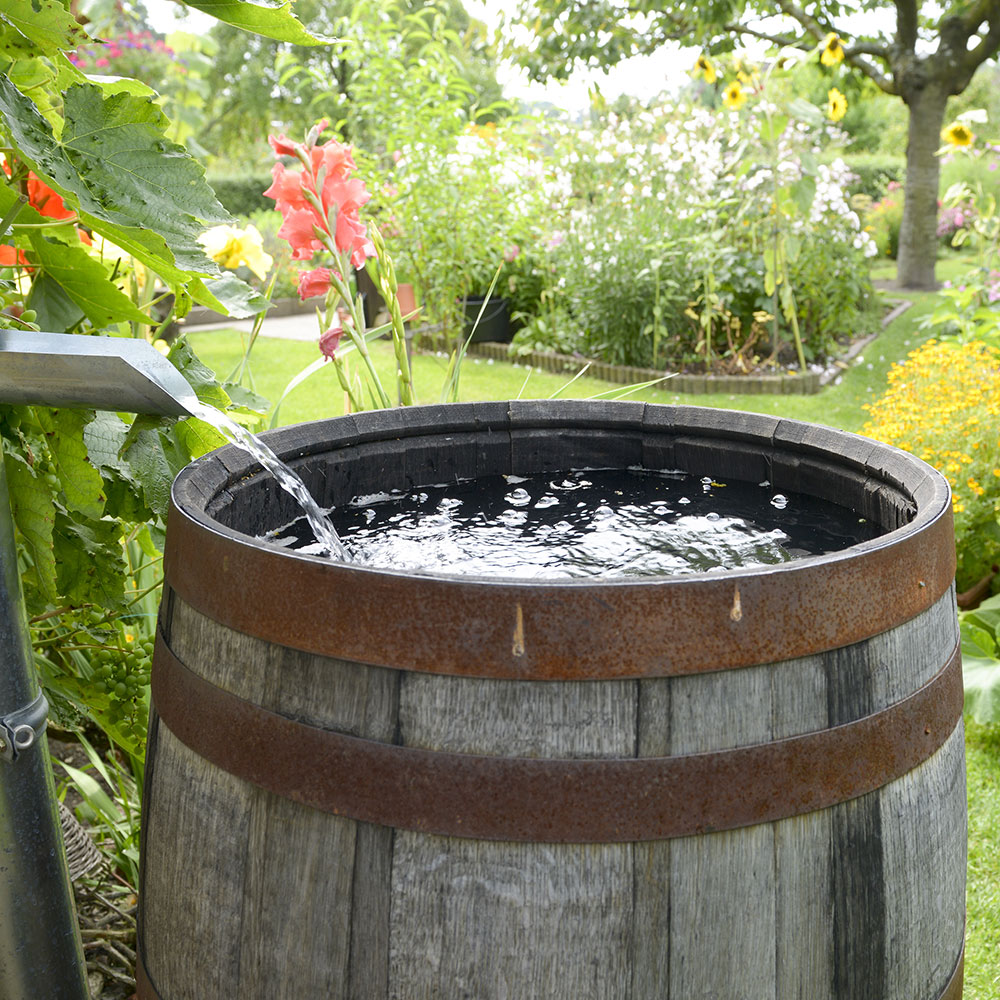
Okay, how cute is this rustic wooden barrel? I used to think rain barrels were just bulky plastic eyesores, but this style actually adds so much character to the side of the house.
It’s basically like catching “sky juice” for your plants so you aren’t running up the water bill in the heat of July. Such a smart, ancestor-approved way to respect the resources we have.
You just hook it up to your downspout and let nature do the heavy lifting. I’d probably tuck some trailing vines around the base to make it look like it’s been there forever.
Incorporating Hardscapes in Rain Garden Designs
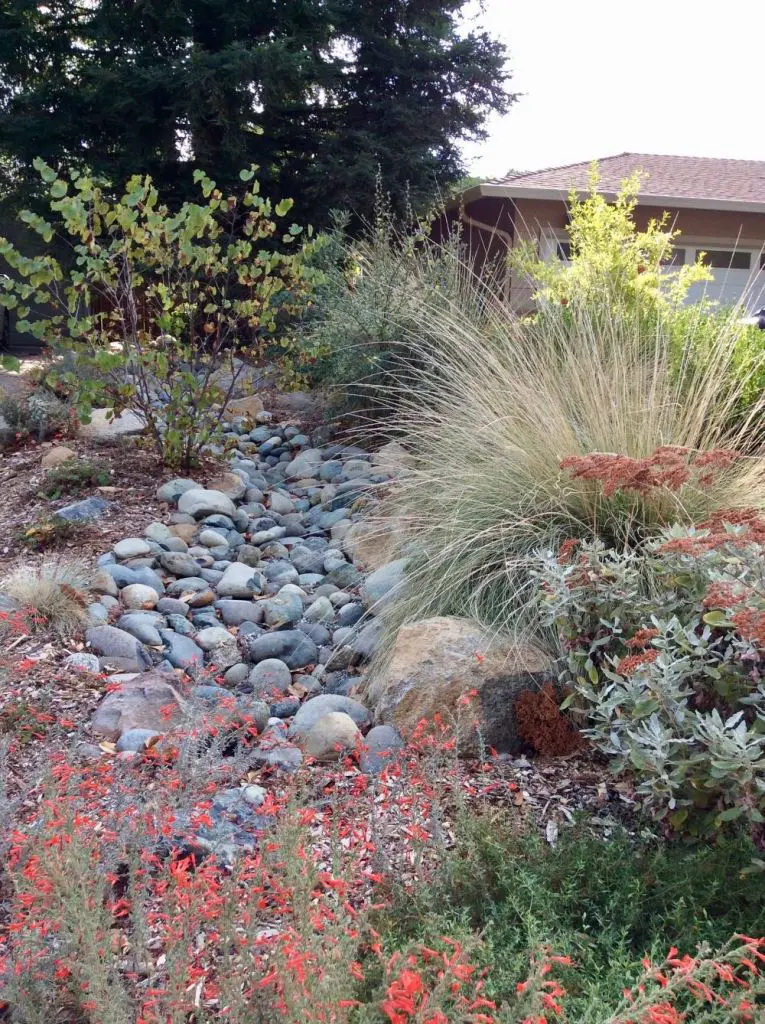
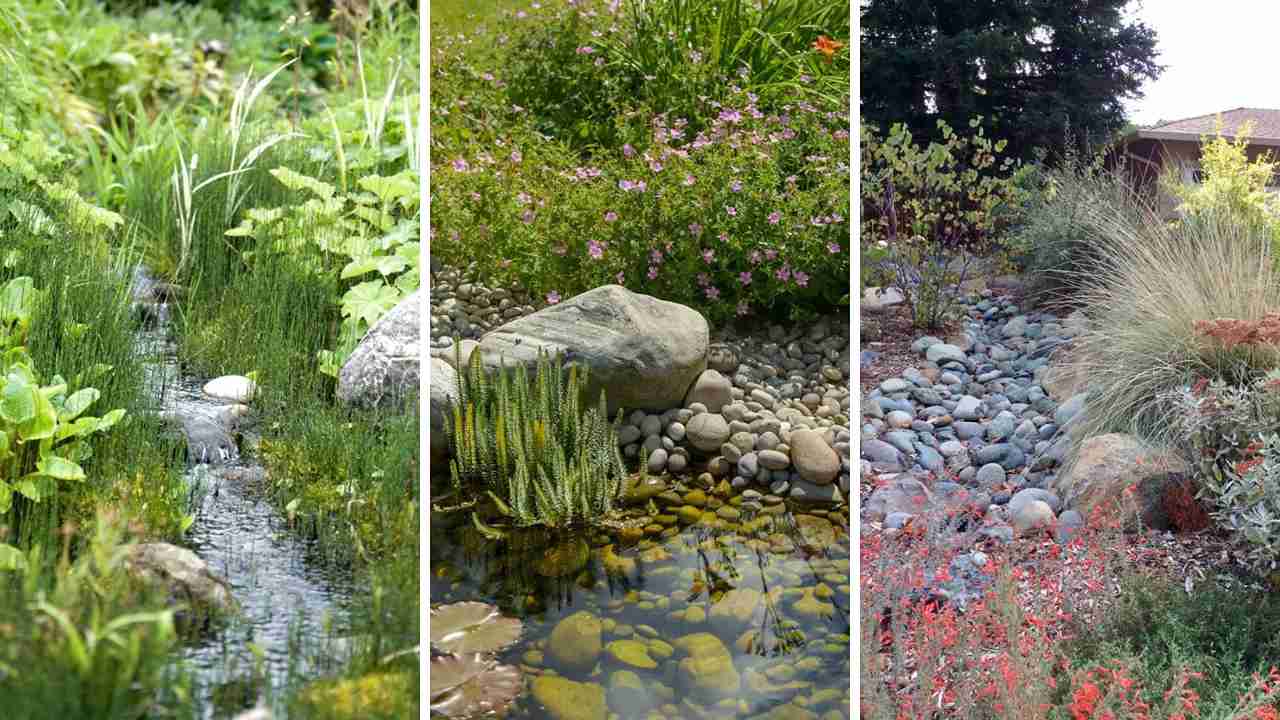
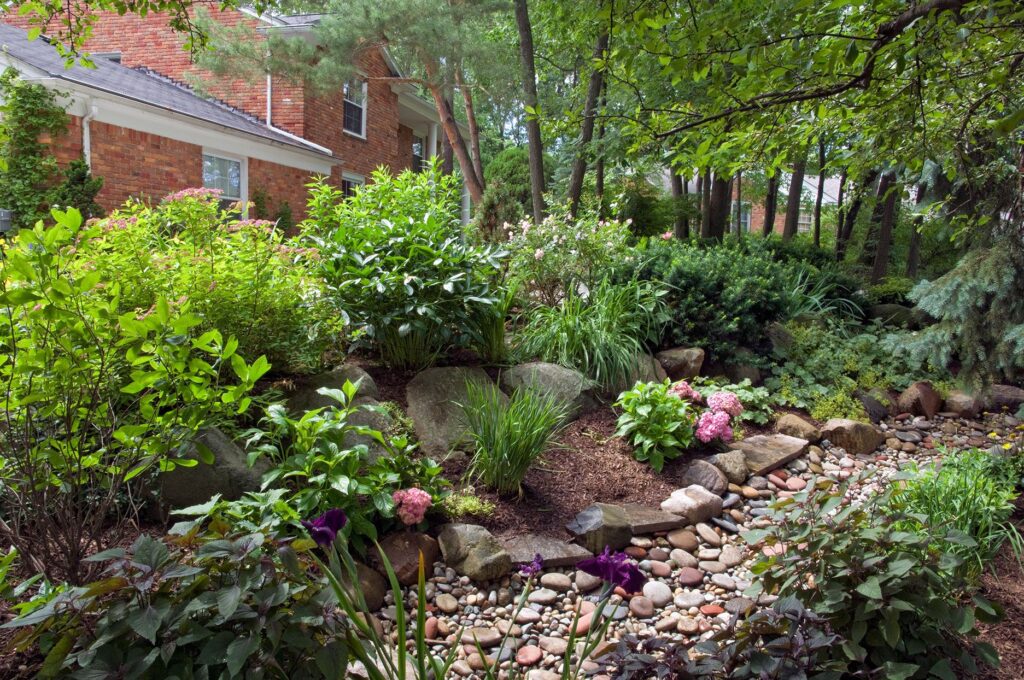
Have you ever seen a dry stream bed? I’m lowkey obsessed with how they look even when it’s not raining. It gives the yard so much structure and keeps things from looking like a giant mud pit.
That winding stone path is so inviting. It makes you want to go for a little stroll with your coffee and see what’s blooming today, while the rocks help direct all that runoff where it needs to go.
I love the idea of adding a lamp post too. Imagine how dreamy those stones would look glowing under a soft light on a misty evening. Total fairytale vibes.
Native Plant Selections for Rain Gardens
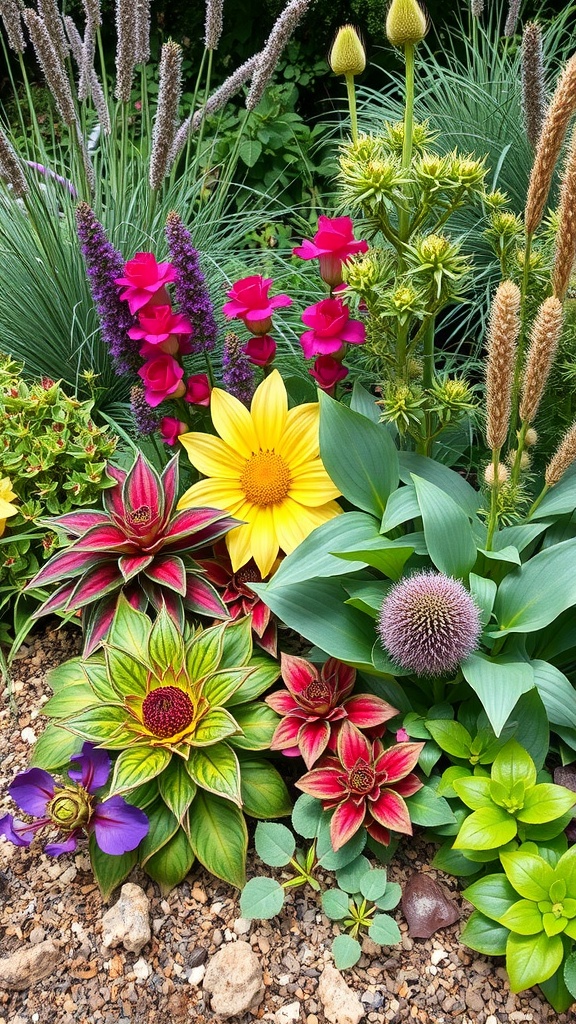
There’s a real power in choosing plants that have been growing on this land way longer than we have. They just know how to handle the local weather, which means way less work for us.
Look at all those textures and heights! You don’t need a degree in botany to see how well these work together. It feels wild and intentional at the same time, which is my favorite kind of look.
When you group them by what they need, they kind of form a little community and help each other out. It’s a beautiful way to show some love to the local biodiversity.
Layered Planting for Visual Interest
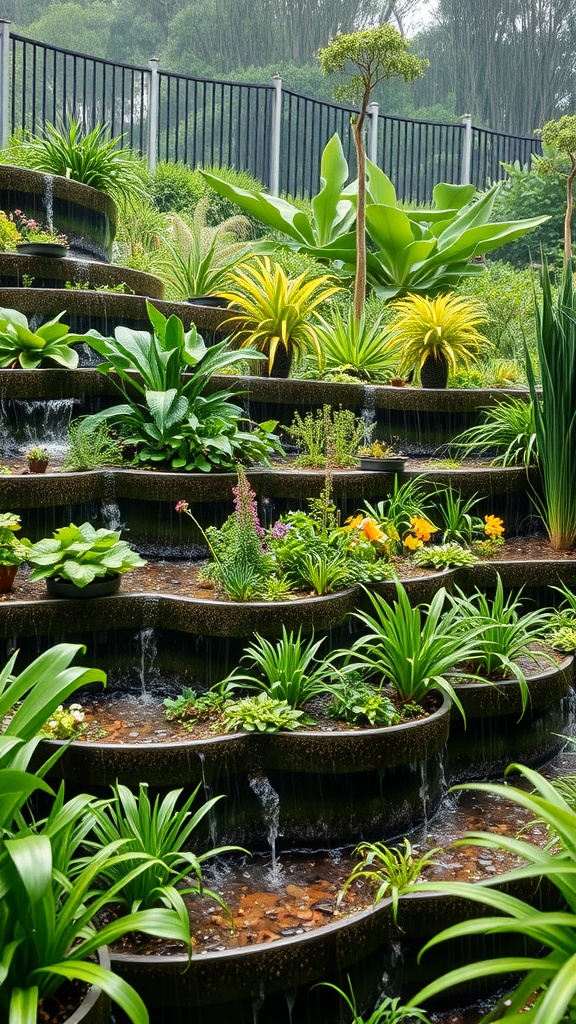
If you’re dealing with a bit of a slope, a tiered garden is the way to go. It’s like creating a stadium for your plants where everyone gets a front-row seat to the sun.
The different levels are so striking visually. You get those tall, proud grasses in the back and the softer, creeping stuff in the front, which creates so much depth and movement.
It’s also super functional for drainage because the water has to work its way down through each level, getting filtered along the way. Beauty and brains—we love to see it!
Rain Garden Layouts for Small Spaces
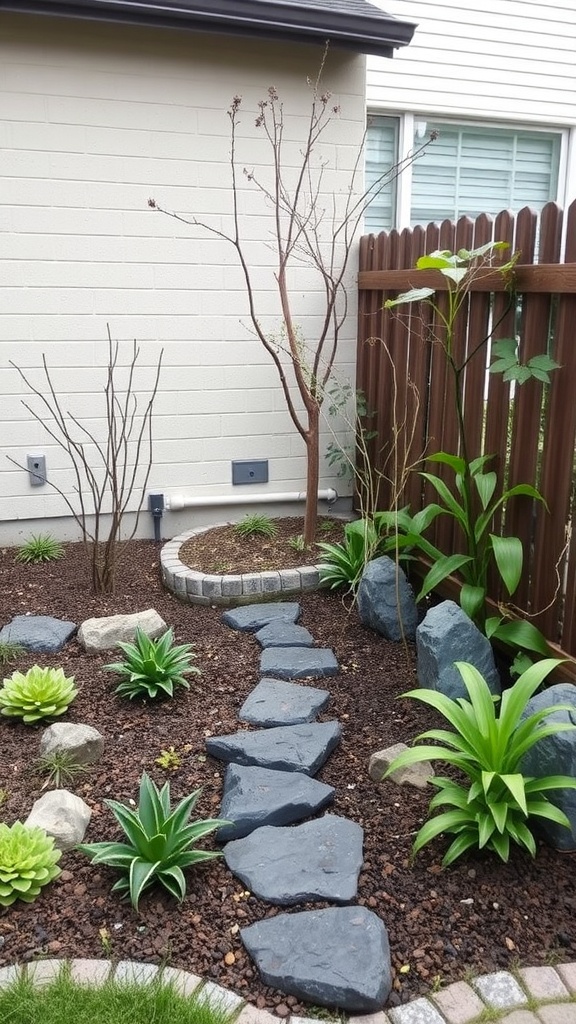
Don’t think you can’t have a rain garden just because your yard is tiny! This compact layout shows exactly how to make a big impact in a small footprint.
The way the dark stones contrast with the bright green foliage makes everything look so modern and clean. It’s proof that you don’t need an acre of land to do something good for the earth.
I really like how they used larger rocks to frame the space. It keeps everything contained so it feels like a purposeful little “room” in the yard rather than just a random patch of plants.
Creative Edging Solutions for Rain Gardens
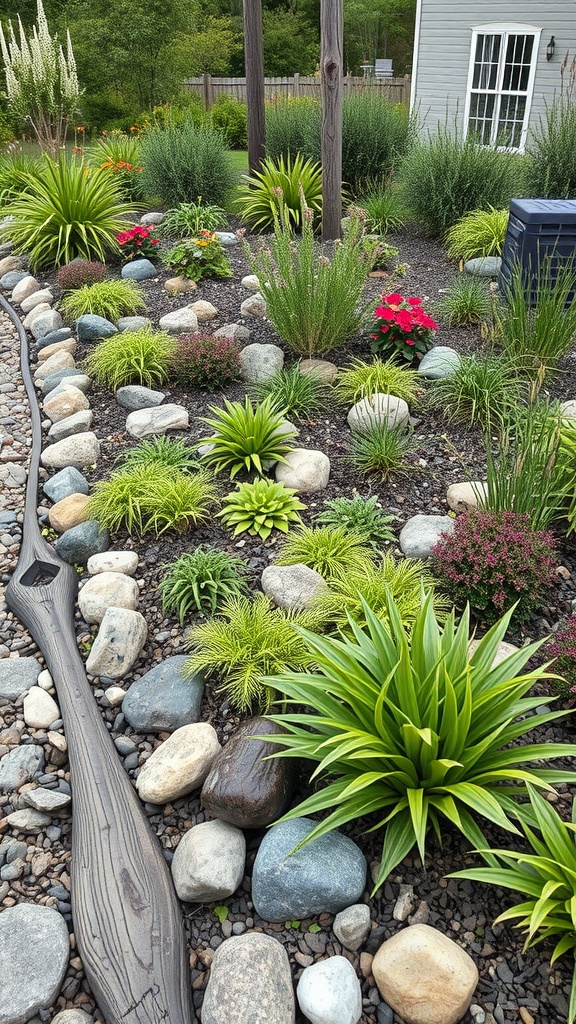
Edging is one of those things that really polishes the whole look. I’m really feeling this mix of heavy boulders and smaller pebbles—it feels very natural and organic, like something you’d find on a hike.
Did you notice that wooden paddle? It’s such a quirky, personal touch. It’s those little “human” elements that make a garden feel like it has a soul and a story to tell.
Using stones of different sizes doesn’t just look cool; it also breaks up the force of the water when it’s really coming down hard. It’s a win-win for style and function.
Edible Plants in Rain Gardens
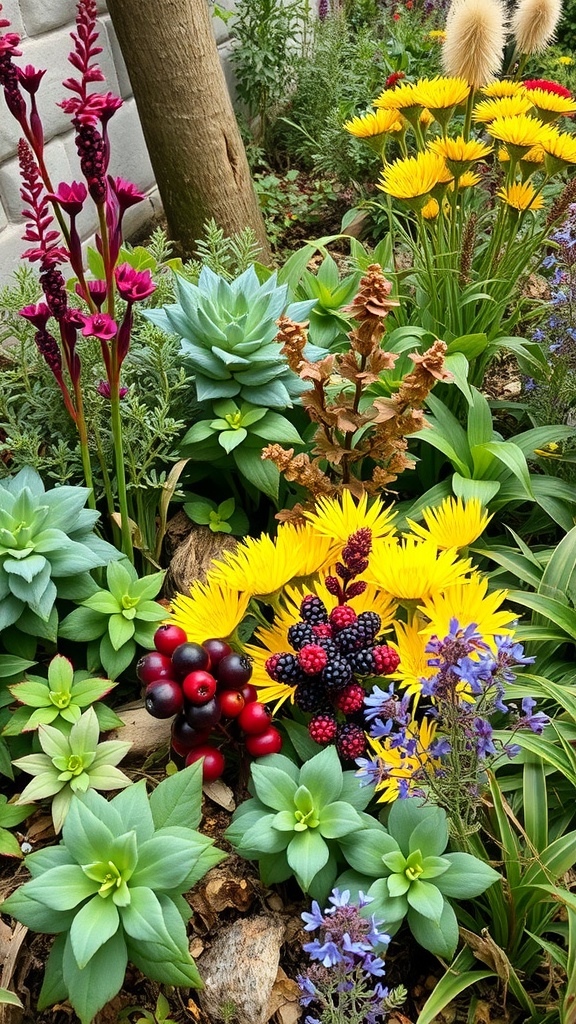
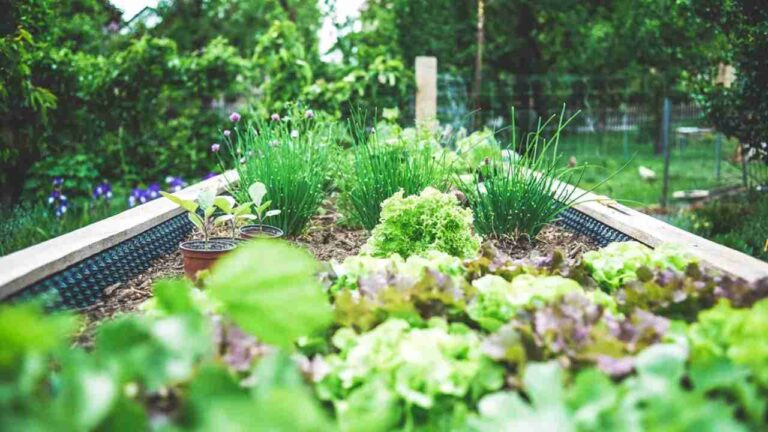
Wait, can we talk about how genius it is to grow snacks in your rain garden? I didn’t realize so many berries and greens actually love those moist conditions.
Imagine just walking out in your flip-flops and grabbing a handful of fresh berries while you check on your flowers. It makes the garden feel so much more connected to your daily life.
It’s all about picking the right native edibles that can handle the occasional “wet feet.” It turns your yard into a little grocery store that runs on rainwater. I’m so here for it.
Drought-Tolerant Plant Choices for Rain Gardens
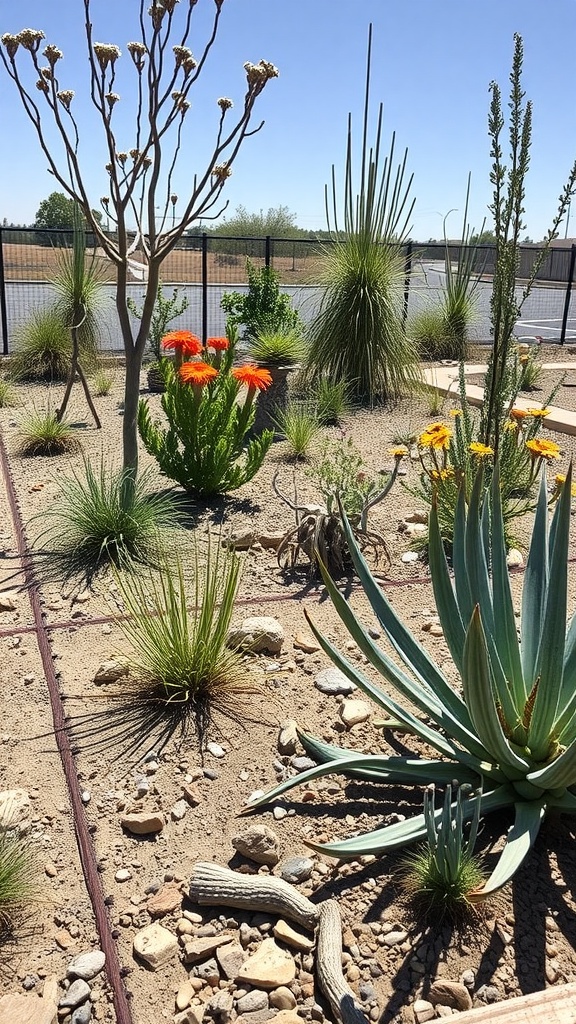
It sounds a bit backwards, but rain gardens actually need plants that can handle being totally dry too. Since they drain so well, you want “tough love” plants that aren’t going to wilt the second the sun comes out.
Those orange flowers are such a bold statement against the blue sky! It gives off such a warm, desert-meets-prairie vibe that I think would look stunning in the late afternoon light.
The spiky textures add a little bit of drama, too. It’s a great way to make sure your garden stays looking sharp even during those long, hot weeks in August when it hasn’t rained in forever.
Rain Garden Paths: Functional and Aesthetic
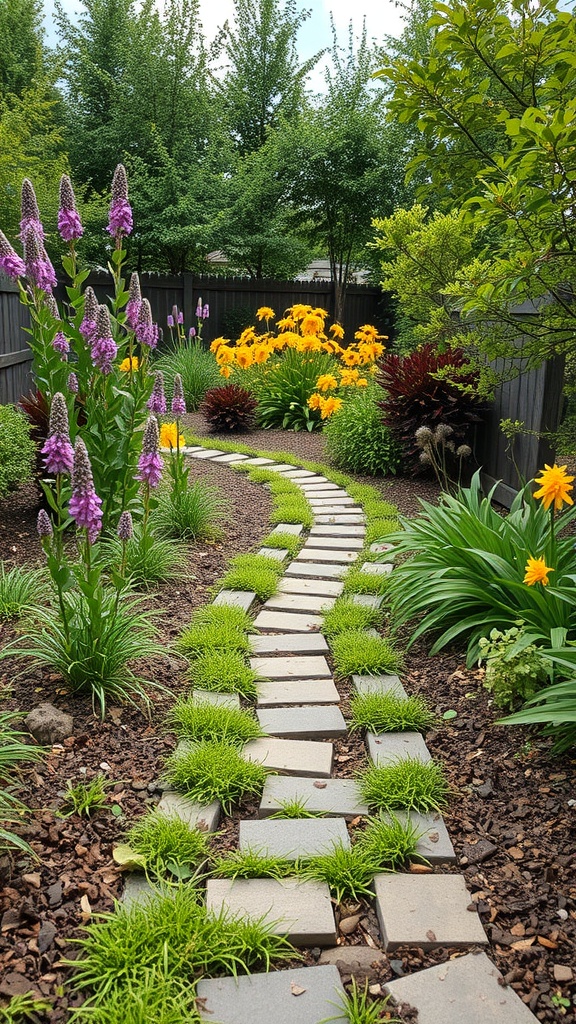
I’ve always loved a path that curves. It feels like it’s leading you on a little adventure, even if it’s just to the other side of the yard. This stone-and-grass combo is so soft and dreamlike.
The flowers spilling over the edges make the whole thing feel so lush and overgrown in the best way possible. It’s like the garden is giving the path a big hug.
Paths like this are great because they give you a dry place to step so you can actually get in there and enjoy the plants without getting your boots caked in mud. Practical and pretty!
Incorporating Educational Signage in Rain Gardens
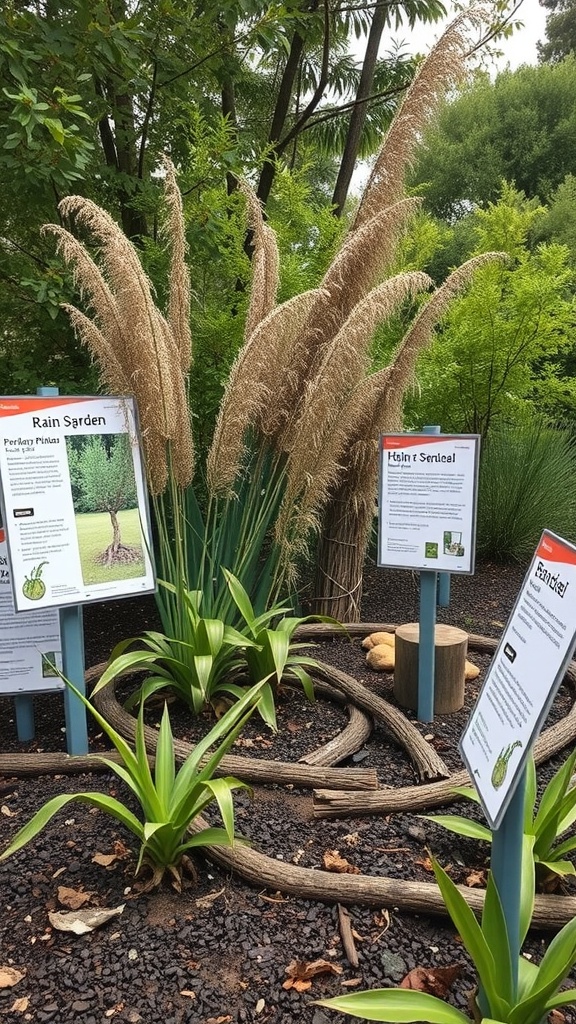
If you’re doing this in a front yard or a community space, a little sign can go a long way. It helps people understand that it’s not just a “messy” patch of weeds—it’s a hard-working ecosystem!
It’s a cool way to share the names of the plants and what they do. I think it’s so important for us to pass on that knowledge about how to take care of the water and the land.
Plus, it just looks professional and intentional. It invites people to slow down, read a bit, and maybe get inspired to start their own little rain sanctuary too.
Rain Garden Maintenance Tips for Longevity
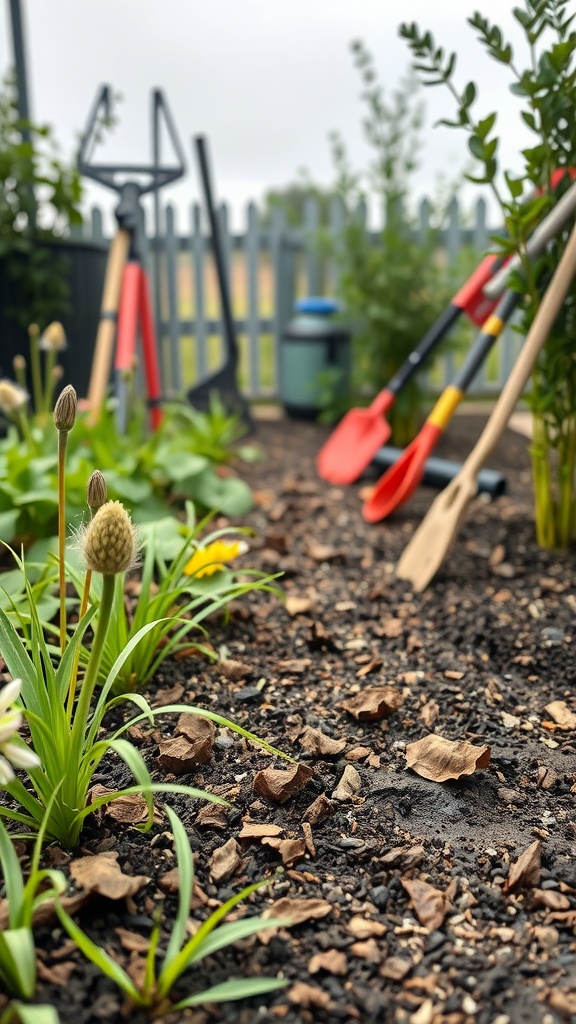
I’m a big believer that having the right tools makes any job feel like less of a chore. Seeing everything organized like this actually makes me want to get outside and play in the dirt.
A little bit of upkeep goes a long way. Just clearing out the dead leaves and checking the soil every now and then keeps everything flowing exactly how it’s supposed to.
Think of it as a little “check-in” with your yard. It’s a nice excuse to spend twenty minutes outside, breathe some fresh air, and make sure your plant babies are happy and healthy.
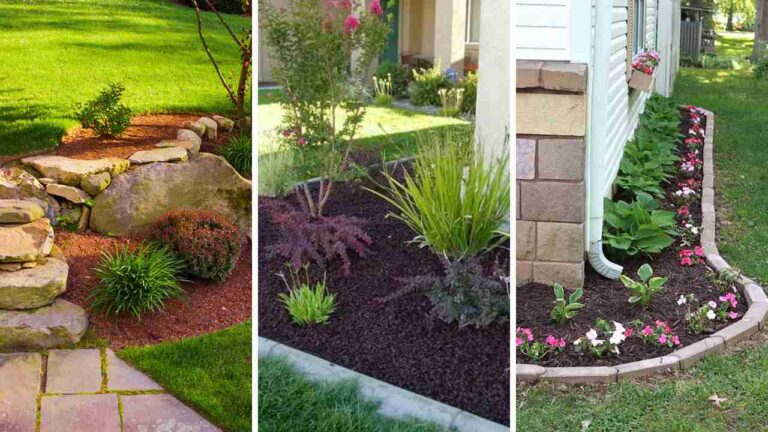
The Role of Mulch in Rain Garden Design
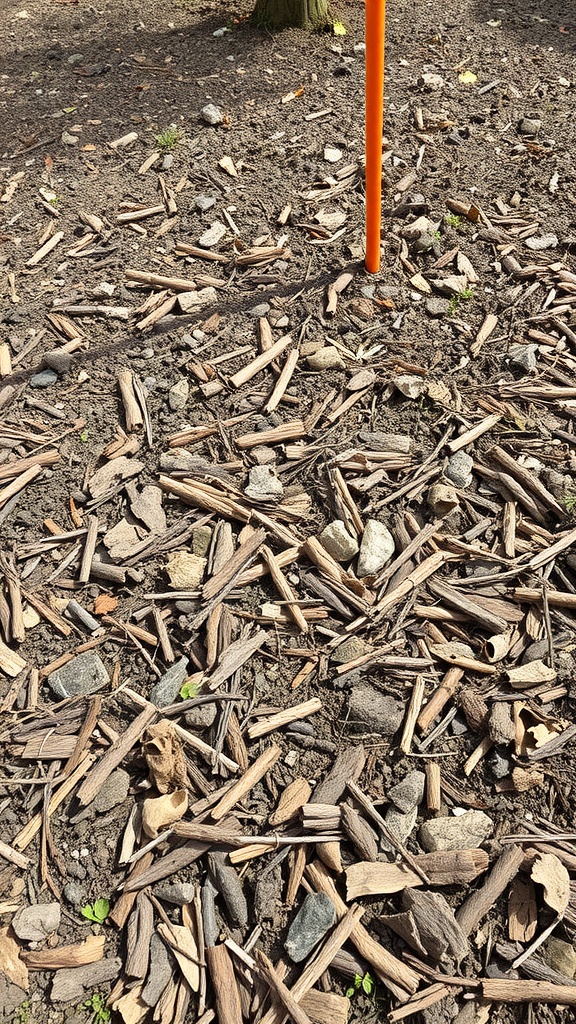
Mulch is like a cozy blanket for your soil. It keeps the moisture in so your plants don’t get thirsty, and it stops those annoying weeds from moving in and taking over the place.
I love how they mixed the wood chips with stones here. It looks so natural and textured. Over time, the mulch breaks down and actually feeds the soil, which is exactly how nature intended it.
When you’re picking yours out, go for something natural that smells like the woods. It’ll make your whole yard smell amazing after a light rain, and your plants will definitely thank you for it.
I really hope these ideas gave you that little spark of excitement to try something new with your space! Honestly, just picking one or two of these rain garden ideas can completely change the energy of your home and make you feel so much more connected to the earth. I can’t wait to see which ones you decide to go with—send me pictures if you start digging!